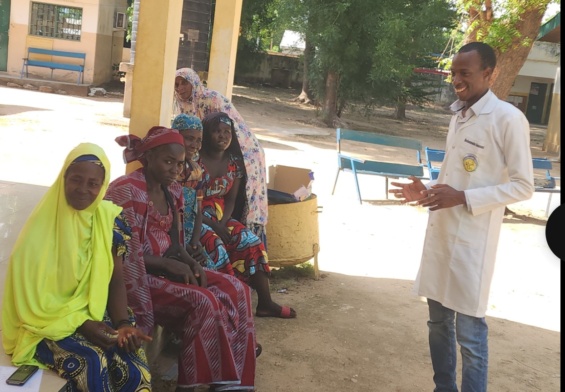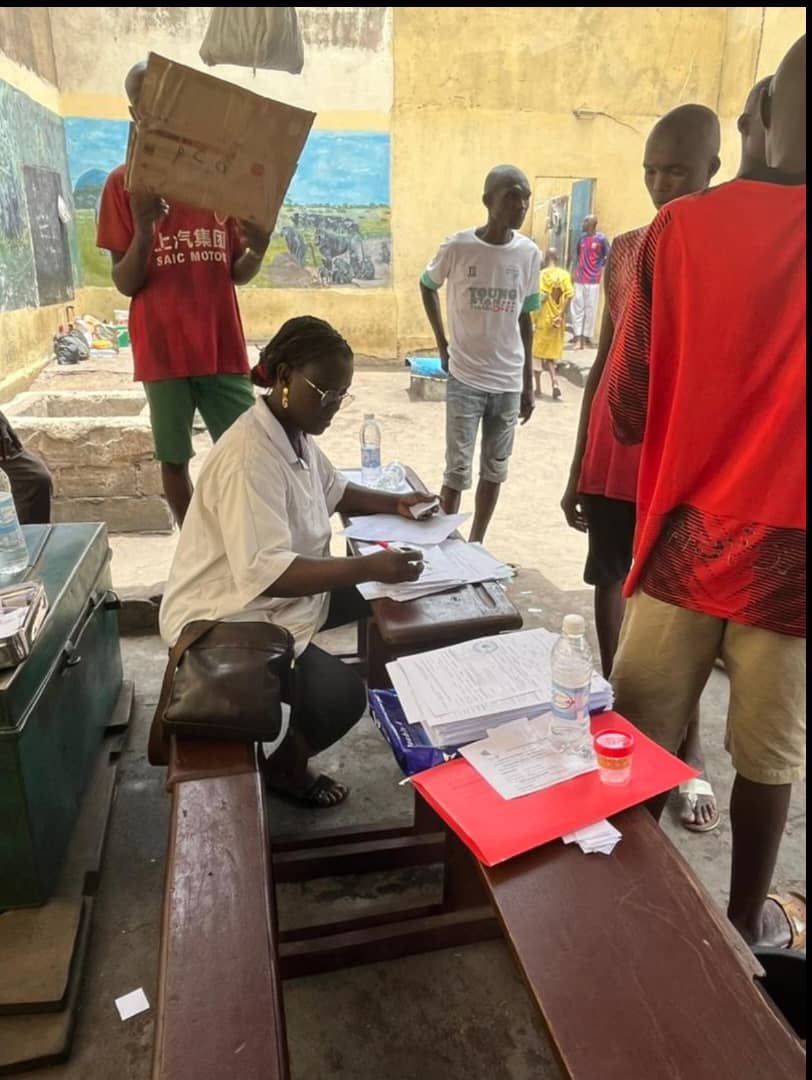
This follows a large-scale tuberculosis awareness and screening campaign conducted from May 7 to 9, 2026 at the Garoua central prison.
The fight against tuberculosis remains a public health priority in the North region. Faced with the high risk of the spread of this infectious disease, the Regional Technical Group for Tuberculosis Control, with the support of the NGO Japso, organized a mass awareness and screening campaign at Garoua Central Prison. Held from May 7 to 9, 2026, this operation mobilized the regional delegation of Public Health, the Garoua Regional Hospital, the prison administration, and several partners involved in the fight against tuberculosis.
This initiative addresses the need to strengthen epidemiological surveillance in an environment where the risks of transmission are particularly high. Prisons, characterized by overcrowding, close quarters, and poor hygiene, provide a favorable environment for the spread of contagious diseases, especially tuberculosis.
During this campaign, out of the 1,663 inmates at Garoua Central Prison, 523 were identified as suspected cases of tuberculosis following consultations and awareness
sessions. Tests confirmed four positive cases. While this number may seem small given the prison population, health officials emphasize that it should not be underestimated. Tuberculosis is a highly contagious disease, particularly in confined spaces where close contact is constant. The four inmates who tested positive were immediately placed on treatment according to the national protocol. This rapid response aims to break the chain of transmission and protect both other inmates and prison staff.
The epidemiological situation in prisons remains worrying. Tuberculosis reports in prisons are still almost ten times higher than those observed in the general population, thus justifying the continuation of enhanced surveillance and regular screening campaigns.
Beyond screening, this campaign also had a preventive and educational dimension. Prison healthcare staff received specific training on the early detection of tuberculosis in inmates. They were provided with screening tests to improve the daily management of suspected cases. A community-based approach was also prioritized. Several inmates were trained as peer educators to disseminate prevention messages to their fellow prisoners. Their role will be to raise awareness about the symptoms of the disease, the appropriate behaviors to adopt, and the importance of early diagnosis.
Reaction: Dr. Ousmanou Bello, Coordinator of the GTR Tuberculosis North
« Specifically, the aim was to raise awareness among prisoners about TB, to screen for tuberculosis, and to put TB or HIV cases on treatment. »

It is important to note that this campaign aims to improve tuberculosis care in prisons, a context in which inmates are highly vulnerable to the disease. It should also be noted that the reported cases of tuberculosis are, on average, ten times higher in prisons than in the general population. Furthermore, this initiative follows Cameroon’s request for funding from the Global Fund to support the implementation of tuberculosis and HIV prevention and control interventions within the prison system.
It should be noted that prior to the visit, there were preparations and briefings, including a working session with the collaboration of the prison administration, which also contacted the regional public health delegation to further improve the management of tuberculosis and HIV in prisons. It’s important to understand that the target group here is the prisoners. All inmates at Garoua Central Prison were screened, and all suspected cases underwent further testing using the molecular tools available in our healthcare facilities. This screening and diagnosis allowed us to detect several cases of tuberculosis in the prison environment. We noted good collaboration with the prison administration, supervision from the Ministry of Justice and the National Tuberculosis Control Program (PNLT) at the central level, strong involvement from prison staff and the Community Development Teams (CDTs), the availability of medications, and the significant involvement of community health workers (ACPs) and peer educators within the prison. We also
observed good involvement from regional hospital staff in the laboratory testing of samples. The main objective of this visit was to screen for tuberculosis and HIV in the prison population at Garoua Central Prison, with the aim of diagnosing suspected cases of tuberculosis and HIV and initiating treatment for 100% of confirmed positive cases. Specifically, the focus was on raising awareness among inmates about TB, conducting tuberculosis screening, initiating treatment for TB and HIV cases, and mapping TB cases within the prison to identify potential transmission hotspots. Also, train prison health staff on the management of this disease, whether it be tuberculosis, HIV-AIDS, or if there are cases of TB-HIV co-infection.
At the end of the visit, the focus was on reminding prison health staff to continue actively searching for tuberculosis in the prison environment. Furthermore, every new inmate must undergo screening; this screening must be carried out at the entrance to Garoua Central Prison. If there are suspected cases of TB, the GTR (Regional Tuberculosis Control Group) remains available to collect samples at the prison and transport them to the laboratories at the regional hospital. Following the visit, we also provided the administration with registers, documentation, examination reports, and examination request forms. We also provided the infirmary with examination request forms and some laboratory supplies.