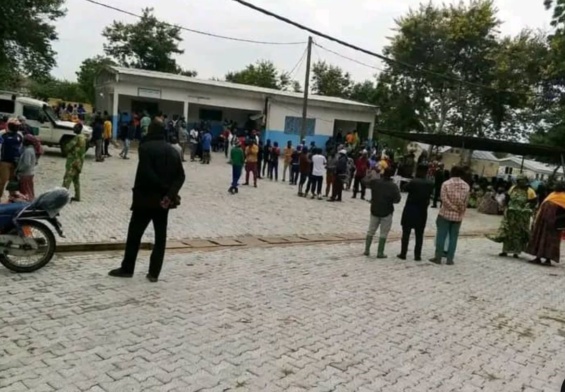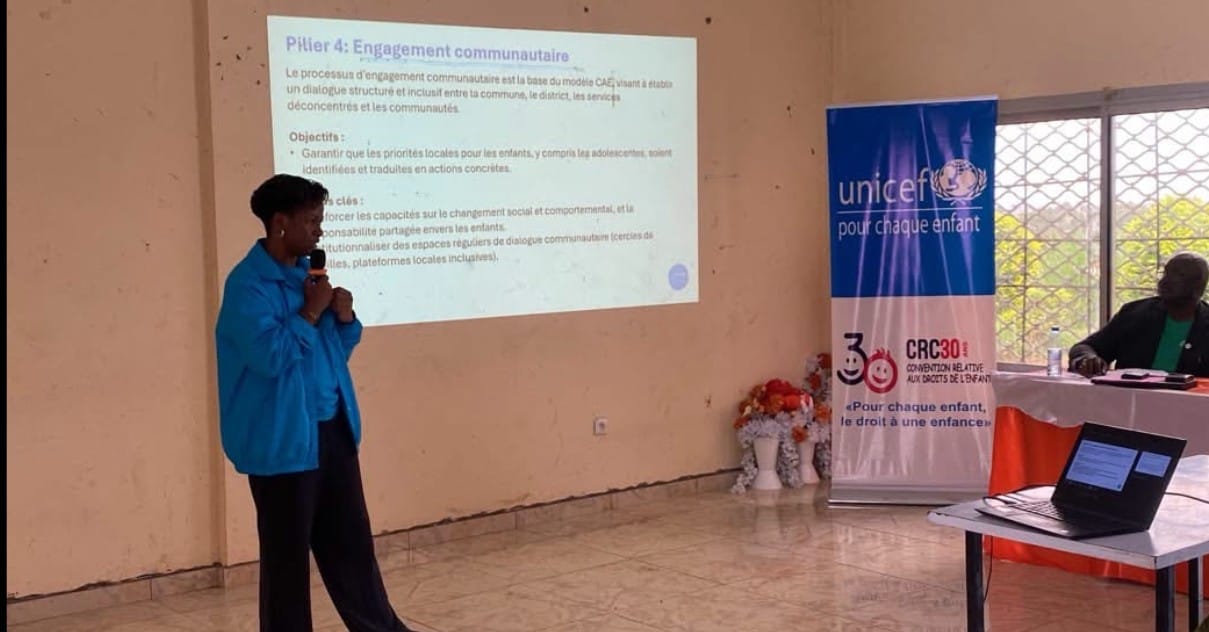
Local authorities from five municipalities gathered in Batchenga to develop strategies that place children’s health, protection and well-being at the center of local development, as part of UNICEF Cameroon’s Child Friendly Communities initiative supported by Nachtigal Hydro Power Company.
For decades, local development has often been measured by the number of roads built, schools constructed or public facilities inaugurated. Increasingly, however, experts argue that a community’s real progress should also be assessed by how effectively it protects and nurtures its youngest citizens. In Cameroon, five municipalities are taking a significant step in that direction by embracing a development model that places children’s rights at the center of local governance.
Representatives from the municipalities of Batchenga, Mbandjock, Ntui, Obala and Ebebda gathered in Batchenga for a three-day workshop under the Child Friendly Communities initiative, jointly implemented by UNICEF Cameroon and Nachtigal Hydro Power Company (NHPC). The meeting aims to equip local authorities with the knowledge and tools needed to integrate children’s rights into municipal planning and public policies.
Putting children at the heart of local planning
The initiative encourages municipalities to move beyond infrastructure projects and adopt a broader vision of development; one that ensures every child has access to quality healthcare, education, clean water, sanitation, protection from violence and opportunities to participate in community life.
During the workshop, participants reviewed the standards and indicators required to obtain the Child Friendly Communities label. These criteria cover multiple aspects of local governance, including access to essential social services, child participation in decision-making, inclusive budgeting and mechanisms to protect vulnerable children.
By incorporating these principles into local development plans, municipalities can better identify community needs and allocate resources where they have the greatest impact on children’s well-being.
From commitment to concrete action
Beyond technical discussions, the workshop also serves as a platform for exchanging experiences among local leaders and development partners. Participants are expected to develop a practical roadmap that will guide future actions across the municipalities involved in the Nachtigal project area.
For UNICEF and NHPC, the initiative reflects a shared commitment to ensuring that economic development is accompanied by meaningful social progress. As major infrastructure projects reshape local communities, strengthening child protection systems and expanding access to essential services become critical to ensuring that development benefits every generation.
The roadmap developed during the workshop is expected to translate national and international commitments on children’s rights into concrete local actions that improve everyday life for families.
Investing in tomorrow’s communities
Children account for a significant share of Cameroon’s population, making investments in their health, education and protection essential for sustainable development. Municipal governments, as the public institutions closest to citizens, play a decisive role in creating environments where children can thrive safely and reach their full potential.
The Child Friendly Communities initiative therefore represents more than a certification process. It promotes a governance model that recognizes children not only as beneficiaries of public services but also as central stakeholders in the future of their communities.
As the five municipalities continue their journey toward becoming child-friendly communities, the success of the initiative will ultimately be measured not by the number of meetings held or plans adopted, but by tangible improvements in the lives of the children who grow up in these communities.