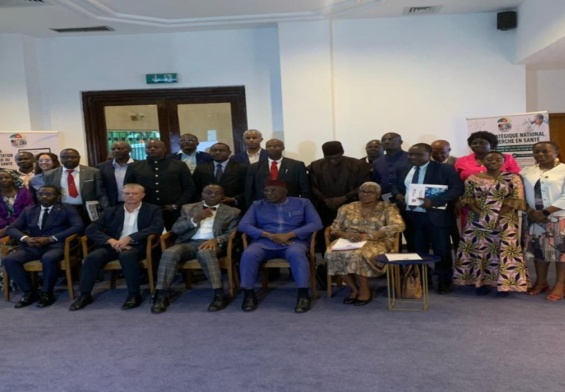
As September marks World Sexual and Reproductive Health Month, the WHO is calling for comprehensive sexual and reproductive health services throughout life, from adolescence to older age. In Cameroon, the global campaign comes as efforts continue to expand access to reproductive health services.
September is being observed worldwide as World Sexual and Reproductive Health Month, with the World Health Organization and its partners placing sexual and reproductive health at the center of the month’s agenda. Under the theme “Start early, stay longer: comprehensive sexual and reproductive health throughout life,” the campaign highlights the importance of reliable information, quality health services, informed choices, rights and dignity.
For WHO, sexual and reproductive health cannot be reduced to a single period of life or a single health issue. Access to contraception, prevention and treatment of sexually transmitted infections, maternal health services, fertility care and accurate information are all part of a broader continuum of care. WHO also considers access to contraceptive information and services fundamental to health and human rights.
Cameroon already has programs in place
In Cameroon, the message comes against a backdrop of ongoing efforts to improve access to sexual and reproductive health services. The country has made family planning and reproductive health part of its health priorities, with the
government and partners working to increase access to modern contraceptive methods and strengthen services.
The humanitarian context adds another layer to these needs. In several parts of the country, insecurity and displacement continue to affect access to essential health care, including sexual and reproductive health services.
Recent figures from the United Nations Population Fund UNFPA illustrate both the scale of the needs and the efforts being made to address them. In March 2026, UNFPA reported providing sexual and reproductive health services to 8,768 people through 24 health facilities in Cameroon. The same report highlighted continuing difficulties in accessing essential services in the North-West, South-West and Far North regions.
The response also relies heavily on health workers. In May, UNFPA supported the deployment of 33 midwives across 22 health facilities, reaching 11,697 people with services including assisted deliveries, emergency Caesarean sections, family planning and sexually transmitted infection care.
From information to access
The WHO campaign therefore comes at a time when the challenge is not only to raise awareness, but also to ensure that people can turn information into actual access to care.
For adolescents and young people, this means having access to accurate and age-appropriate information as well as services where they can seek advice and care without unnecessary barriers. For women and couples, it includes access to voluntary family planning and quality maternal health services. In crisis-affected communities, it also means ensuring that displacement and insecurity do not cut people off from essential reproductive health care.
The situation reported by UNFPA shows that gaps remain. In March, for example, a mapping exercise in the North-West and South-West found that only eight of 29 assessed partners had post-exposure prophylaxis kits, limiting the capacity to provide effective clinical care following rape.
A month-long call for action
By dedicating September to sexual and reproductive health, WHO is seeking to move the issue beyond isolated awareness campaigns and towards a life-course approach. The message is that access to information and services should begin early and continue as people’s needs change throughout their lives.
For Cameroon, the global campaign provides an opportunity to highlight existing programs while drawing attention to the need for sustained investment, trained health personnel and accessible services. As September unfolds, the emphasis remains on ensuring that sexual and reproductive health is not a privilege for a few, but an essential component of health, dignity and well-being for all.