
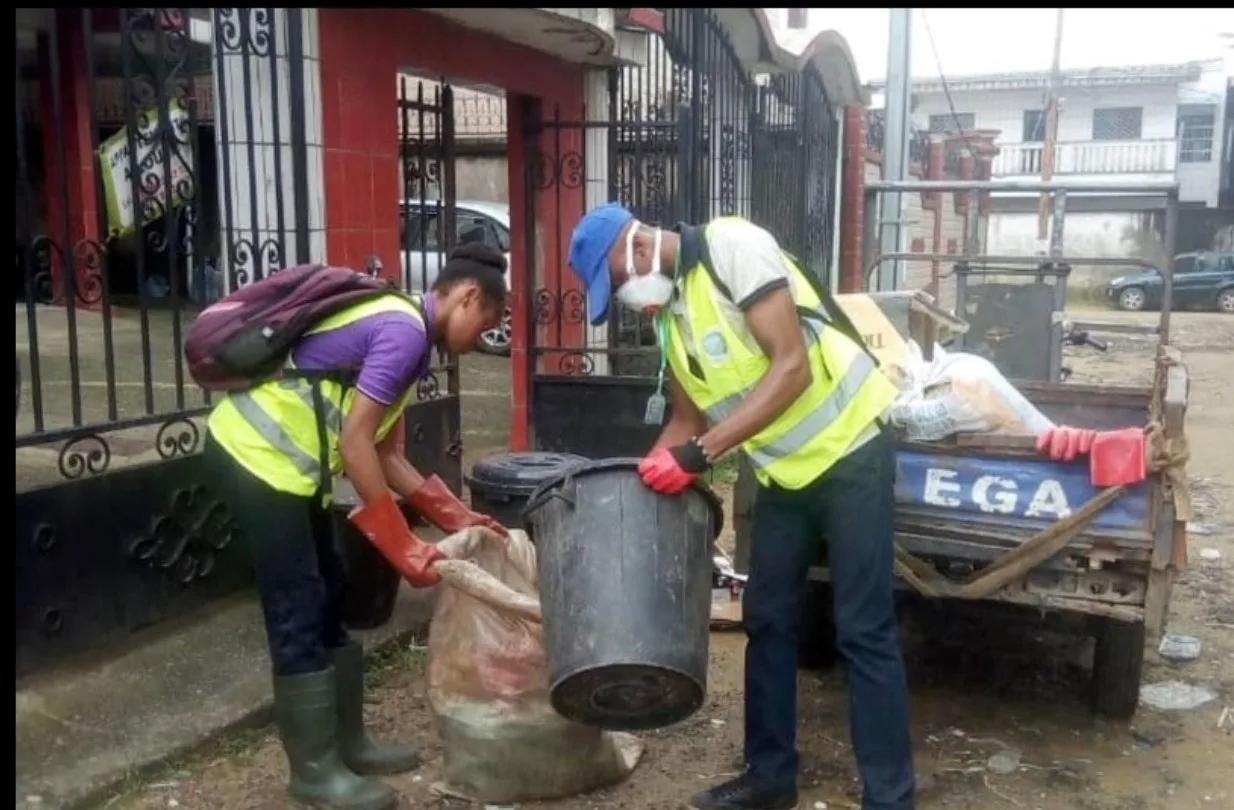
Leaving a household bin without a lid may seem harmless, but exposed food waste and other rubbish can quickly attract flies, cockroaches, ants, rodents and stray animals. Keeping waste covered and disposing of it regularly can help reduce these unwanted visitors and limit hygiene risks around the home.
A rubbish bin may look harmless when it is left outside the house, but its contents can become an easy food source for insects and animals. Food leftovers, fruit and vegetable peels, meat scraps and sugary waste produce odors as they decompose. In warm conditions, these odors can become stronger and attract pests from the surrounding area.
Flies are among the most common visitors. They are attracted to decomposing
organic matter and can lay eggs in exposed food waste. When they move from rubbish to kitchen surfaces, utensils or uncovered food, they can contribute to the spread of microorganisms.
Cockroaches are also attracted to food residues, particularly when bins contain leftovers or are not cleaned regularly. Ants can similarly be drawn to sugary or greasy waste. Once these insects identify a reliable food source, they may begin to move between the bin and other parts of the house.
Rodents present another concern. Rats and mice can enter compounds in search of food and may be attracted by accessible household waste. They can contaminate surfaces and food through their droppings, urine or contact with contaminated materials.
Open bins may also attract stray dogs and cats. These animals can tear open rubbish bags while searching for food, scattering waste around the compound. This can create additional contact between household members, animals and discarded materials.
Heat can make the problem worse
The risk of attracting pests can increase when waste remains in an open bin for several days. High temperatures accelerate the decomposition of organic waste and can intensify unpleasant smells. Moist waste can also create favorable conditions for the development of insects.
This is particularly important during periods of heavy rain. Overflowing bins and poorly managed waste can combine with standing water and other environmental conditions that favor the presence of insects around homes.
How to keep pests away
The simplest measure is to use a bin with a properly fitting lid. Keeping waste covered limits access for flies, cockroaches, rodents and animals and helps contain unpleasant odors.
Food waste should be placed in securely tied bags whenever possible. Leftovers and other organic waste should not be allowed to accumulate for too long, especially in hot weather.
The bin and the area around it should also be cleaned regularly. Any food spilled on the ground should be removed promptly, while leaking bags should be replaced. Waste should be kept away from doors, windows and areas where food is prepared or stored.
A covered bin is not a substitute for regular waste collection, but it is a simple household measure that can reduce exposure to pests. Good waste management, combined with regular cleaning, helps keep the immediate environment around the home cleaner and less attractive to unwanted visitors.