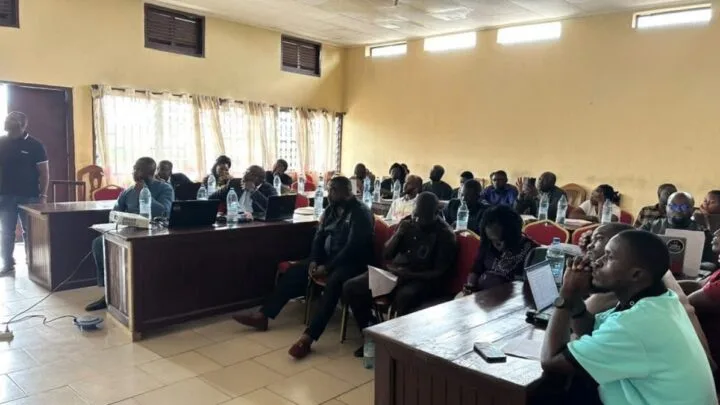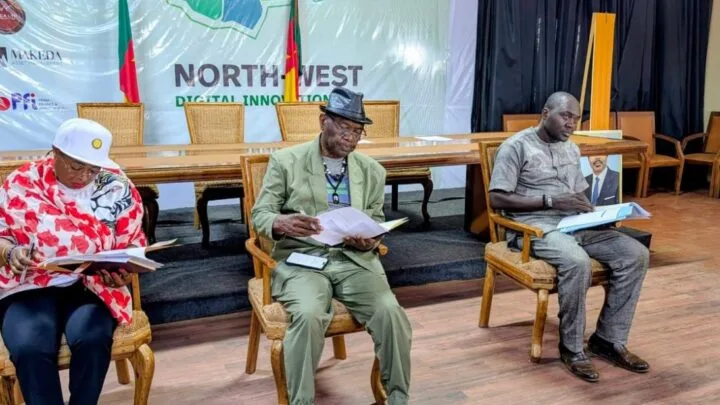

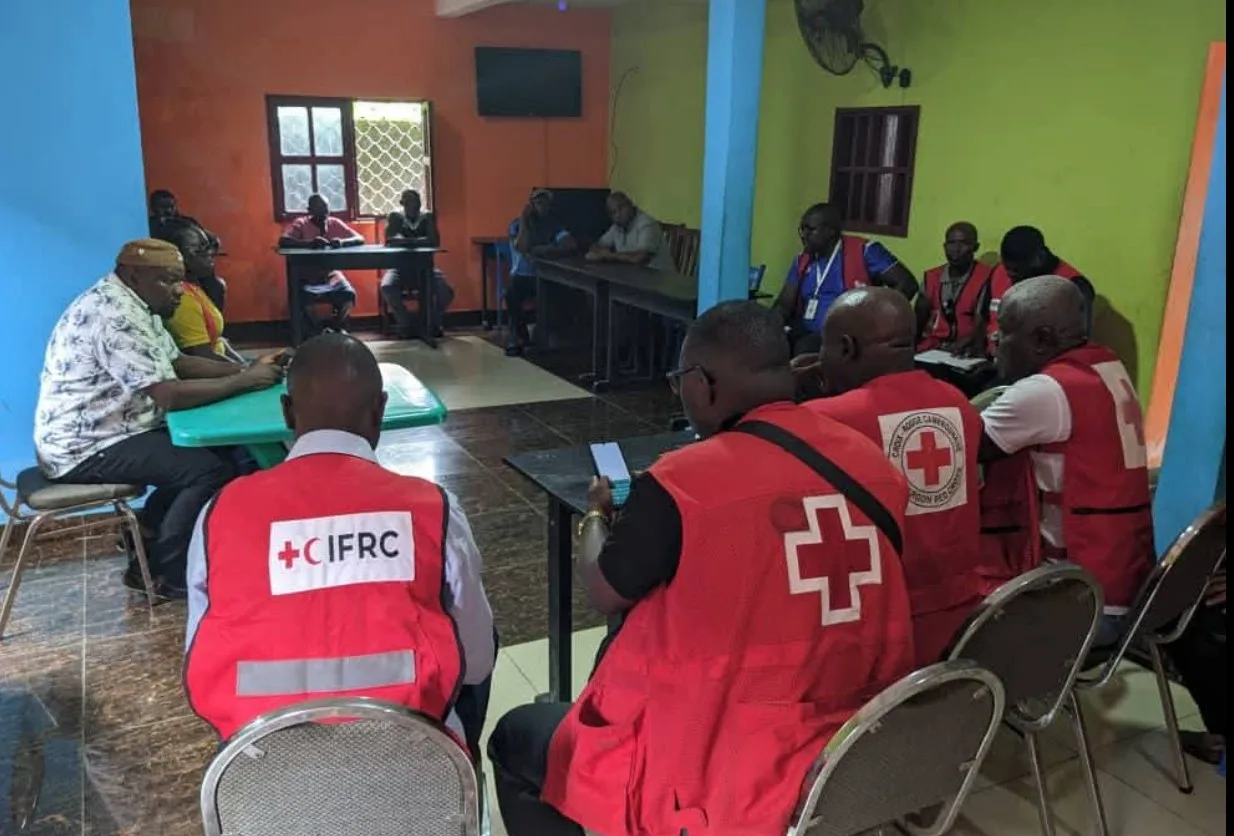
Led by the Cameroonian Red Cross with support from the IFRC and the European Union, Operation Floods DREF is innovating in Limbe. By establishing local committees for targeting and managing complaints, humanitarian aid is making the crucial choice of proximity and restoring dignity.
Confronting the fury of nature and devastating floods requires far more than simply distributing emergency aid: it demands active listening, unwavering trust, and the direct involvement of the affected populations in managing their own destiny. In Limbe, a coastal city accustomed to extreme weather but severely impacted by recent floods, a decidedly innovative approach is emerging in the heart of the disaster-stricken neighborhoods. Rather than parachuting standardized solutions from distant offices, humanitarian actors have made the bold and crucial choice of working directly with the community. In all flood-affected areas, community committees dedicated to identifying beneficiaries and managing complaints are being actively established as part of the Floods DREF emergency operation. This initiative marks a major philosophical shift in the conduct of relief operations, empowering residents not as passive spectators, but as active participants in their own recovery.
The establishment of these participatory structures addresses an essential operational and ethical need. Humanitarian crises exacerbate vulnerabilities, and identifying the most affected households is often a difficult process fraught with the risks of exclusion or misjudgment. By relying on these community committees, humanitarian intervention becomes more relevant and accurate. The members of these committees, chosen from within the local communities themselves, possess a deep understanding of the terrain and neighborhood realities that escapes outside observers. They thus actively participate in the rigorous and transparent identification of target households, ensuring that aid effectively reaches those who have lost everything. But their role does not end with targeting. These committees also serve as the primary channel for relaying the concerns, grievances, and suggestions of residents. In the face of distress, the opportunity to have one’s voice heard and to see one’s grievances addressed is an irreplaceable balm for human dignity.
Beyond logistical efficiency, these committees play a fundamental role as a relational bridge and a means of ongoing dialogue. They establish an unbroken link of trust between affected communities and the operational teams of the Cameroonian Red Cross. In an emergency situation where rumors and feelings of abandonment can quickly take hold, having a formalized space for exchange radically changes the game. This mechanism of mutual accountability fosters complete transparency in the deployment of resources and defuses potential frustrations before they escalate. Residents now know they have identified contacts, close to them, who can report their difficulties on the ground in real time. The entire philosophy of humanitarian accountability finds a concrete and exemplary application here, transforming an emergency intervention into a shared exercise in active solidarity and civic co-creation.
This noble ambition for resilience and active participation would, however, be nothing more than wishful thinking without the synergy of major international solidarity partners. Operation Floods DREF, which makes this on-the-ground approach possible, is implemented with rigor and dedication by the Cameroonian Red Cross. It benefits from the invaluable technical and institutional support of the International Federation of Red Cross and Red Crescent Societies, as well as crucial financial support from the European Union through its Civil Protection and Humanitarian Aid department. Thanks to this robust multilateral partnership, Limbe is leading the way in modern humanitarian aid where the effectiveness of relief efforts is measured by respect for human dignity and the active participation of citizens. By uniting the forces of rescuers and communities, the scars of the floods heal more quickly, giving rise to a united, prepared community resolutely focused on the future.