
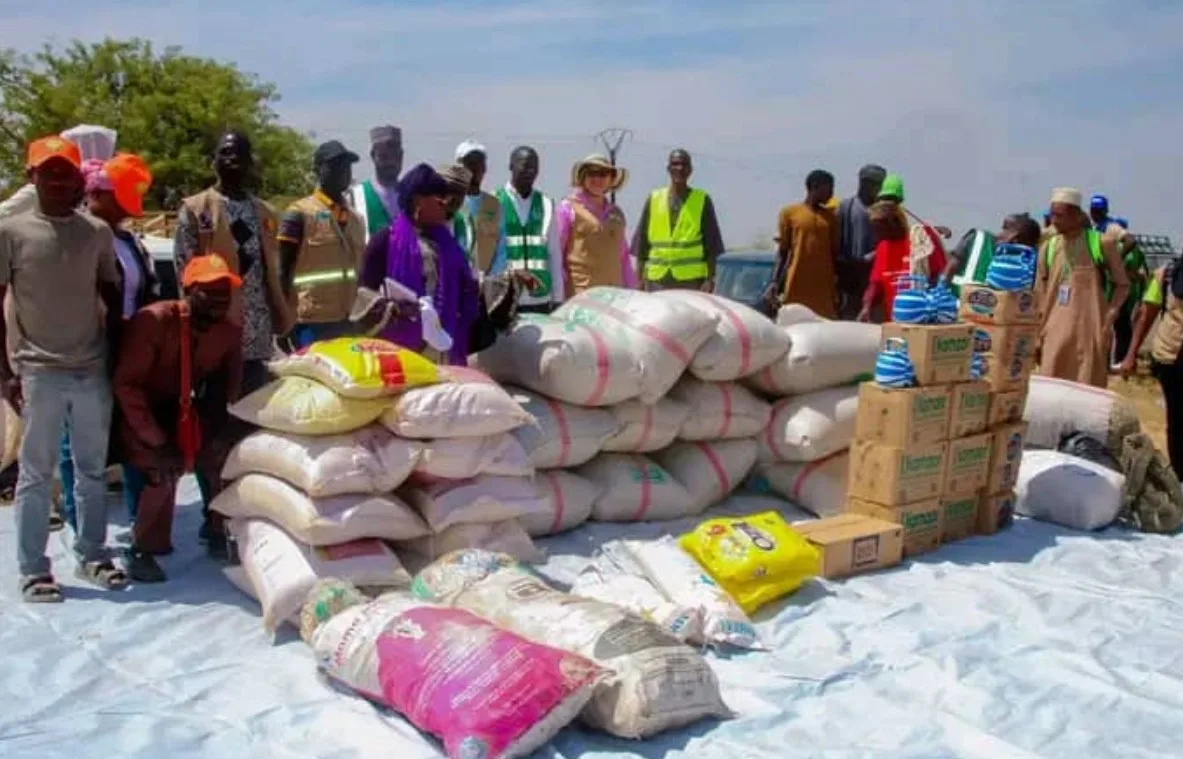
Faced with the precarious situation of displaced populations from Waza, several civil society organizations have pooled their efforts to provide food and emergency supplies to the Madouli site in Diamaré and the Korré site in Mayo-Kani. This humanitarian assistance aims to relieve families—mostly women and children—who are facing severe shortages of clean water, food, and sanitation facilities.
Solidarity is taking shape around the displaced populations of Waza in the Far North Region. In response to the harsh living conditions confronting these families, civil society organizations have joined forces to address their most pressing needs. Food supplies and various donations were mobilized and dispatched to the Madouli and Korré displacement sites, home to thousands forced to flee their homes.
According to the regional representative of the Cameroon Human Rights Commission (CHRC) in Maroua, the two sites host a combined total of 12,575 displaced persons. Approximately 4,575 are sheltered in Madouli, Dargala Subdivision, Diamaré Division, while nearly 8,000 others are settled in Korré, Mayo-Kani Division. These figures highlight the overwhelming scale of needs facing humanitarian actors and host communities.
On the ground, the situation remains deeply concerning. Displaced persons endure conditions characterized by a lack of livelihood means and insufficient basic infrastructure. Access to potable water is one of the primary challenges reported. Added to this are severe food shortages and a lack of sanitation facilities, which weigh heavily on the most vulnerable households.
The plight of women and children commands particular concern. Making up the vast majority of the population on these sites, they are disproportionately exposed to hardship. Food scarcity,
water collection difficulties, and inadequate sanitation render their daily life arduous and intensify the need for emergency relief. In this context, the distribution of food and aid provides immediate relief to families struggling to meet their basic needs.
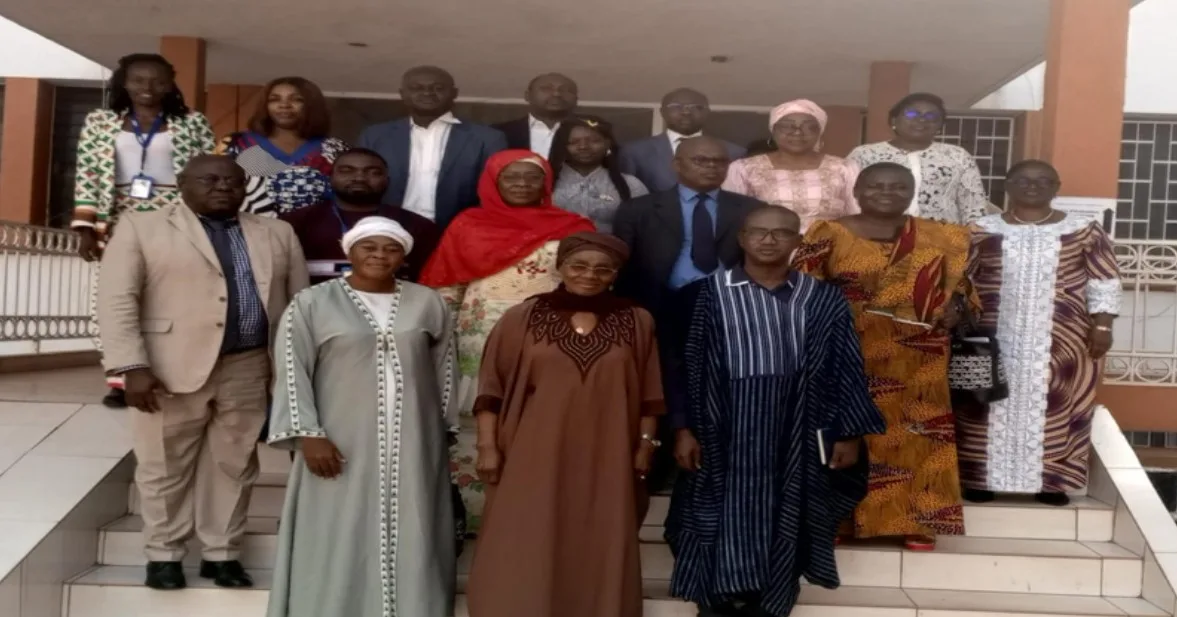
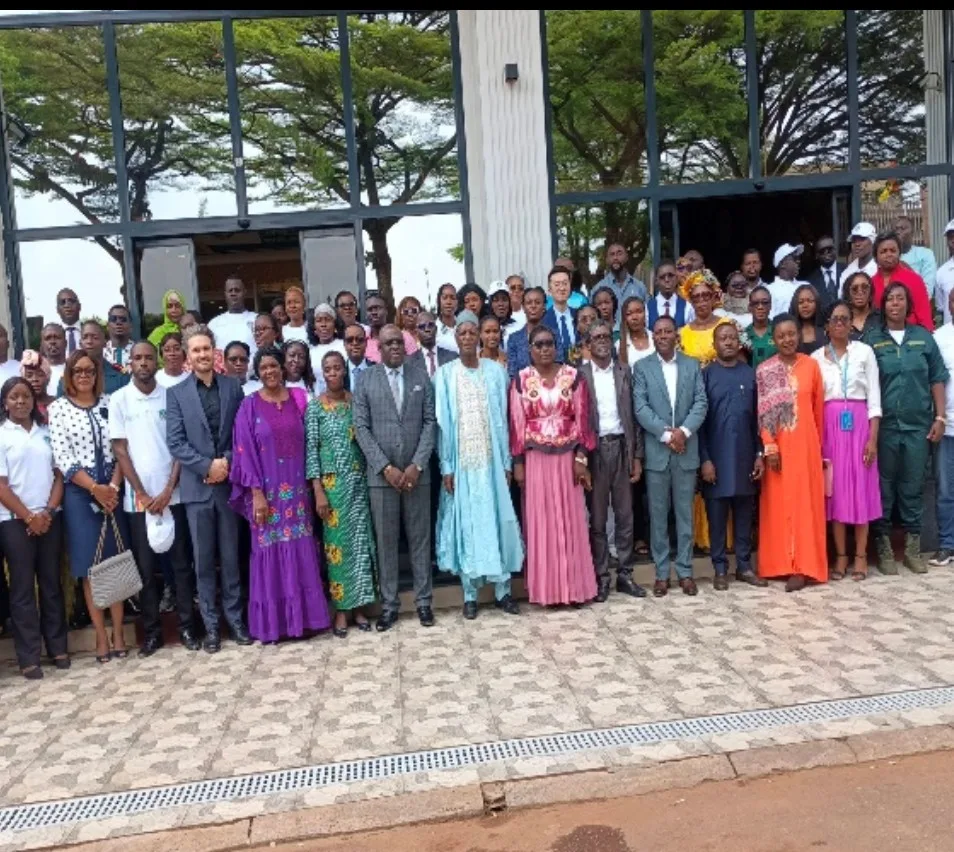
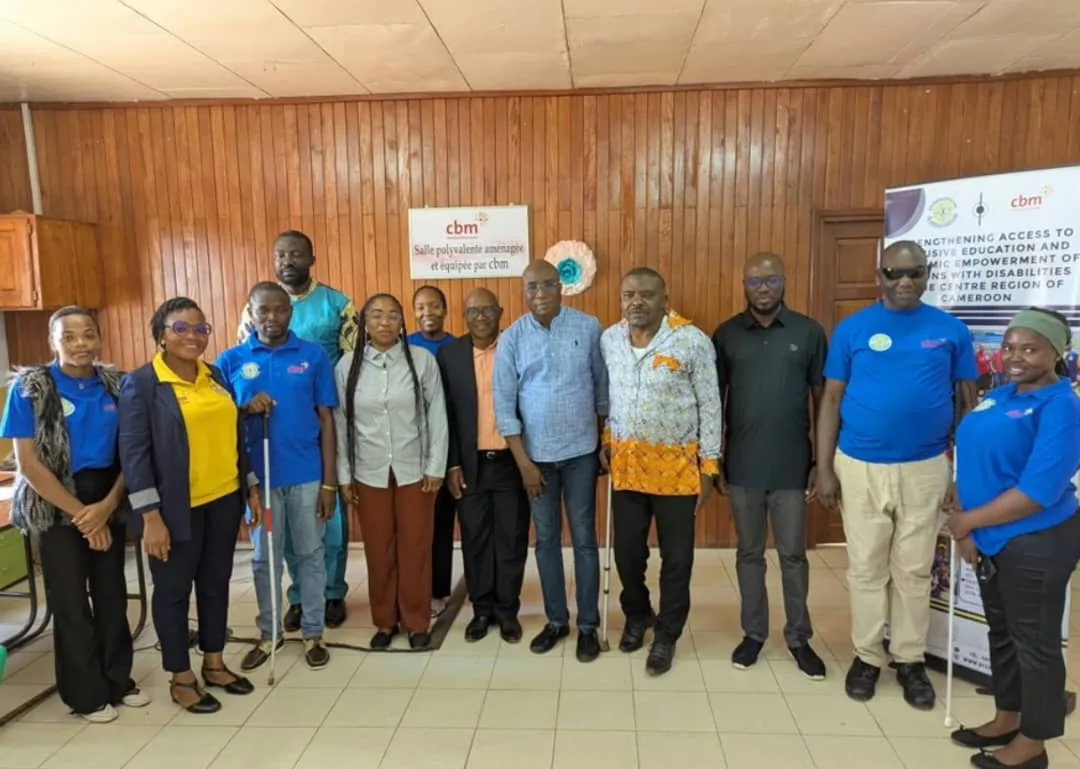
The operation is spearheaded by the Cameroon Human Rights Commission, the Cercle des éducateurs solidaires des quartiers réunis (CESOQUAR), CHOI, and the Observatoire des libertés publiques au Cameroun. These organizations resolved to pool their resources to deliver a coordinated response to the distress of displaced populations. Their intervention reflects civil society’s commitment to safeguarding human dignity and supporting individuals affected by displacement.
This initiative follows a consultative meeting held in Maroua, during which participating organizations agreed to combine resources to respond more effectively to needs identified in the field. This strategy aims to prevent fragmented efforts and foster unified action in response to humanitarian emergencies. The collection and distribution of aid constitute practical steps in this organized solidarity effort.
However, the distributed aid alone cannot solve all the complex challenges facing the displaced. While emergency food aid provides temporary relief, critical needs for drinking water and sanitation facilities remain largely unaddressed. The situation calls for sustained long-term support, requiring broader mobilization from actors capable of improving living conditions across host sites.
Beyond immediate relief, civil society organizations also emphasize the urgent necessity of restoring security in Waza. Their advocacy aims to establish conditions that would allow displaced persons to safely return to their hometowns without endangering their lives. Returning home remains intrinsically linked to guaranteed security and the prospect of rebuilding normal lives.
Pending a lasting improvement in conditions, the organizations continue their call for solidarity. Contributions remain open to allow broader participation in support of displaced families. Food donations and other forms of assistance continue to play a crucial role in easing the daily burdens of those affected.