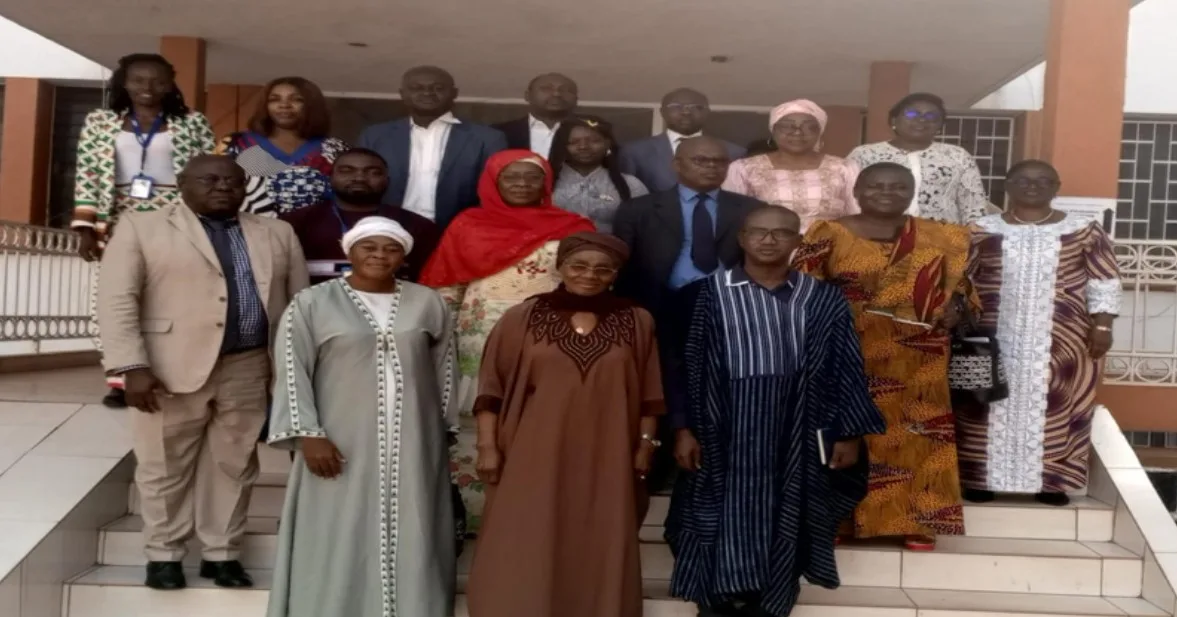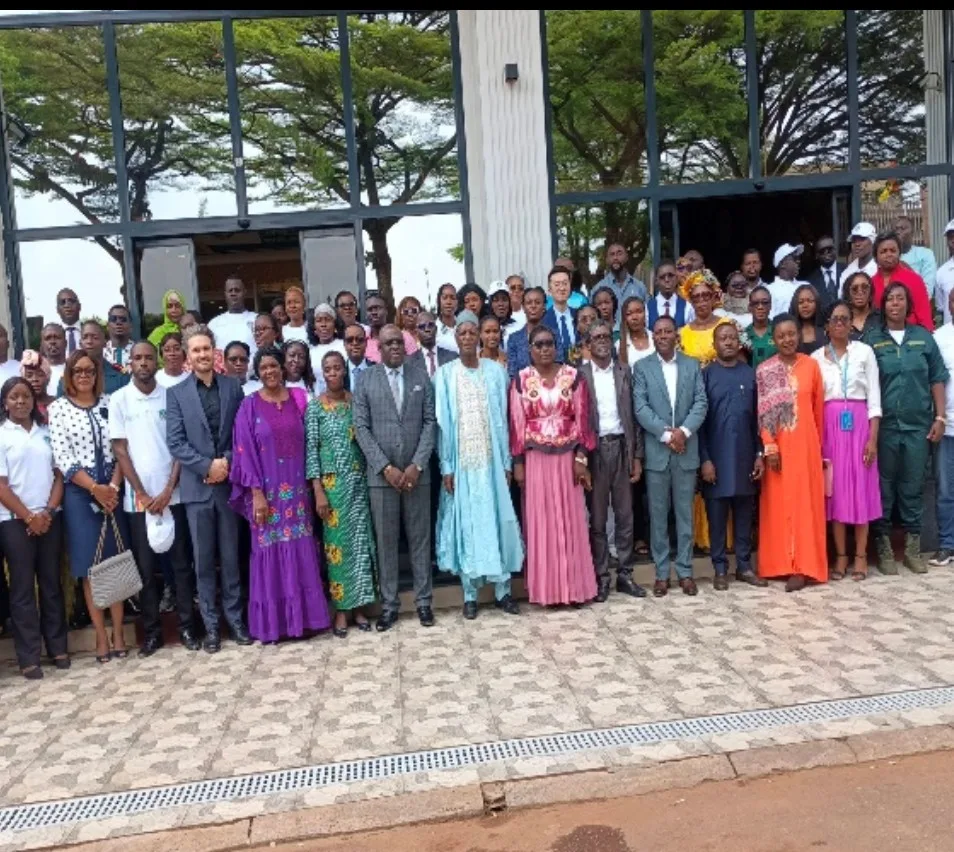

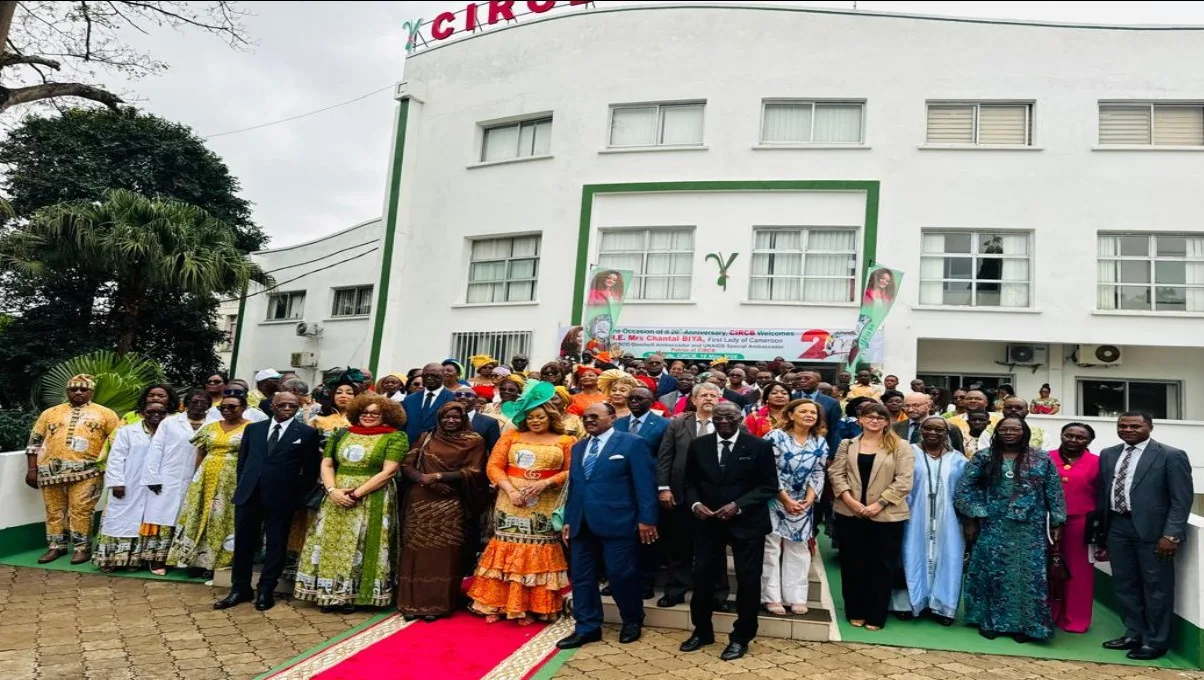
From November 10 to 12, 2026, the « Chantal Biya » International Reference Centre (CIRCB) is officially celebrating the twentieth anniversary of its creation. Placed under the very high patronage of the First Lady of Cameroon, Chantal Biya, patron of the Centre and Goodwill Ambassador for UNESCO and UNAIDS, this commemoration began in grand style on Tuesday, November 10, on the esplanade of the headquarters in Melen, Yaoundé. Amid free screenings, heartfelt tributes, stirring speeches, and perspectives turned toward onco-virology, this is a deep dive into a historic anniversary.
In the public health landscape of Cameroon and Central Africa, the « Chantal Biya » International Reference Centre (CIRCB) for research on HIV/AIDS prevention and management embodies a true institutional success story. From Tuesday, November 10, to Thursday, November 12, 2026, the institution is officially celebrating the twentieth anniversary of its creation, marking two decades of relentless combat against the pandemic, skills transfers, and international scientific outreach. Placed under the very high patronage of the First Lady of Cameroon, Chantal Biya, patron of the Centre and Goodwill Ambassador for UNESCO and UNAIDS, this commemoration kicked off in grand style this Tuesday, November 10, 2026, on the esplanade of the headquarters in Melen, Yaoundé. Between free screenings, strong tributes, vibrant speeches, and future prospects turned toward onco-virology and non-communicable diseases, this marks a deep dive into a historic anniversary.
Created by an order of the Ministry of Public Health on February 17, 2006, and inaugurated on February 23, 2006, CIRCB is the outcome of visionary advocacy led by the First Ladies of Africa through the NGO Synergies Africaines, directed toward the Cameroonian and Italian governments, the World Foundation for AIDS Research and Prevention, UNESCO, and the Institute of Human Virology in Baltimore. Erected as a public administrative institution with hospital characteristics by presidential decree no. 2018/507 of September 20, 2018, it operates under the technical supervision of the Ministry of Public Health and the financial supervision of the Ministry of Finance, possessing legal personality and financial autonomy. Located in the Melen neighborhood, between the Teaching Hospital (CHU) and the National Advanced School of Engineering, the Centre today stands as an open platform for national and international researchers.
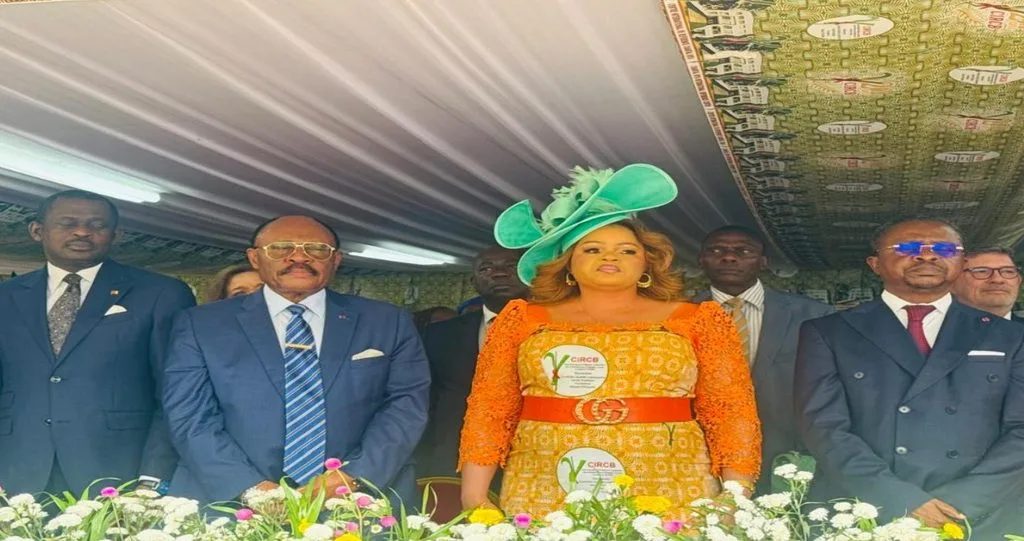
CIRCB relies on a Board of Directors chaired by Mr. Jean Stéphane Biatcha, who also serves as Executive Secretary of Synergies Africaines, and is composed of representatives from the Presidency of the Republic (Mrs. Alimatou Kone Ngouh), the Prime Minister’s services (Mr. Ihong III), the Ministry of Public Health (Prof. Anne Cécile Zoung-Kanyi Bisseck), the Ministry of Finance (Mrs. Berthe Jeanine Tsafack), the Ministry of Higher Education (Prof. Patricia Asongwe Samkia), the Ministry of Basic Education (Mr. Charles Nanga), and the Ministry of Scientific Research (Prof. Albert Eyike Yomba). General Management is ensured by Prof. Alexis Ndjolo, university professor in ENT and cervicofacial surgery, assisted by Dr. Godwin Nchinda. The Scientific Council, chaired by Prof. Carlo Federico Perno, notably includes Prof. Rose Leke (Vice-Chairperson), Prof. Victorio Colizzi and Prof. Emmanuel Eben-Moussi (resource persons), Prof. Dieudonné Pegnyemb, Prof. Jean Louis Essame Oyono, and Dr. Suzanne Belinga.
Eight Laboratories, a Nursery of Talents
The Centre features eight laboratories microbiology and immunology, molecular biology, systemic biology, medical analysis, biobank, biological and microscopic imaging, vaccinology, and virology alongside technical units tasked with medical consultations, vaccine trials, and clinical trials of medicinal plants. Over twenty years, CIRCB has published more than 300 scientific articles in leading international journals, mobilized funding from the European Union and the Bill & Melinda Gates Foundation, and trained over 30 PhD candidates hailing from Cameroon, Italy, Gabon, and Chad. Today, it counts 36 scientific personnel, representing 42.86% of its total workforce, 53% of whom are women, producing an average of 40 publications per year. Nearly 90% of these researchers were trained, wholly or in part, in Italian universities.
Cross-Cutting Testimonies at the Heart of the Ceremony
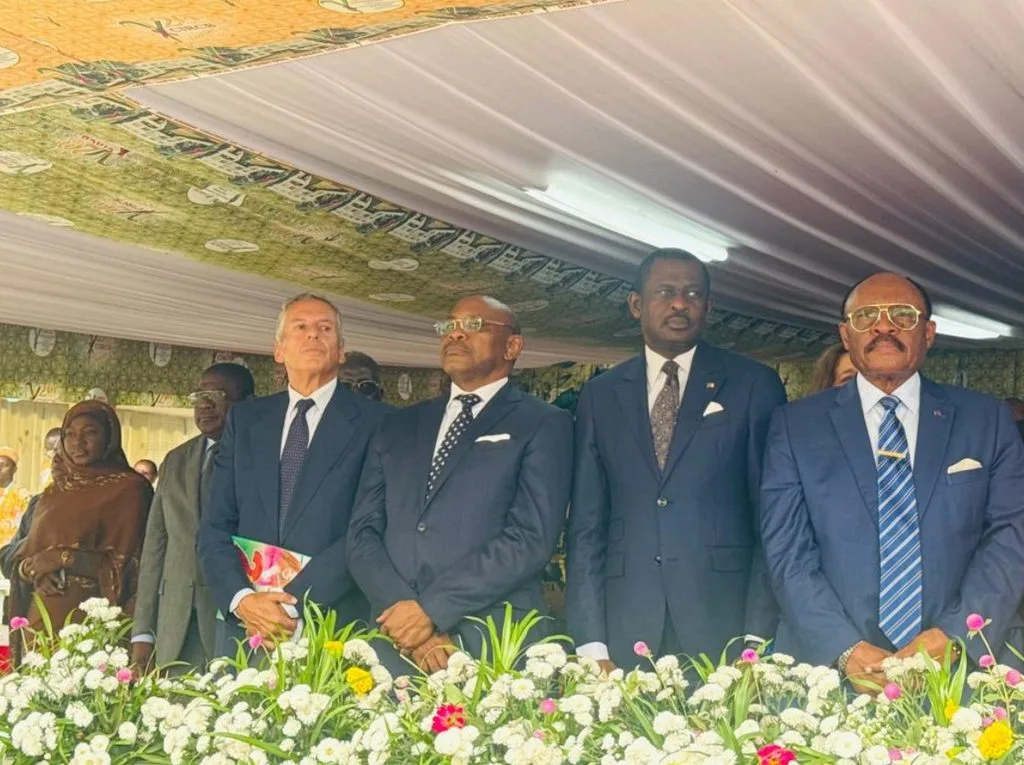
The opening ceremony, punctuated by performances from the FMSB choir, the Keguetgue International group, and artist Marcelin Ottou, was marked by addresses of profound intellectual density. Dr. Joseph Fokam, Permanent Secretary of the National AIDS Control Committee (NACC) and CIRCB’s first PhD supervisor, recalled: « Indeed, the Chantal Biya International Reference Centre is our foundational institution. During COVID-19, CIRCB was the first to identify the Omicron variant. » He announced the shift toward onco-virology and non-communicable diseases.
Dr. Georgia Ambada, researcher at CIRCB, lecturer at the University of Yaoundé I, and head of the immunology and microbiology laboratories, delivered a striking testimony: « Under the mentorship of Prof. Vittorio Colizzi and Dr. Godwin Nchinda, I worked on an innovative project centered on an anti-HIV vaccine candidate using BCG as a vector. » A pure product of the Centre’s training policy, she specified that 25 staff members and trainees have been trained in Italy, with an 83% recruitment rate of PhD graduates returning directly within CIRCB. « CIRCB is not merely a research structure; it is a true catalyst for individual and collective transformation, » she affirmed.
The Horizon of the Future: Vaccine Sovereignty and New Challenges
Taking the floor, Prof. Alexis Ndjolo paid a vibrant tribute to the First Lady: « It is thanks to Mrs. Chantal Biya, who has carried this centre like a mother carries her child with conscience, patience, and high standards, that CIRCB today stands as a jewel of African research respected worldwide. » He praised the Italian partners, citing Prof. Vittorio Colizzi, first scientific director, and Prof. Carlo Federico Perno, current Chairman of the Scientific Council: « Twenty years of uninterrupted cooperation between Rome and Yaoundé demonstrate that a partnership founded on training and skills transfer yields durable results. »
The Director General also insisted on health sovereignty: CIRCB has already transmitted strategic information to the government to select the vaccines most suited to local strains and strengthen its capacities against emerging pathogens. A clinical trial named CHER, published in 2008 in the New England Journal of Medicine, demonstrated that early diagnosis followed by immediate treatment reduces infant mortality by 76%. Beyond HIV, the Centre has contributed to responses against COVID-19 and the Ebola virus disease, exporting its expertise to East Africa.
A Rich Program Through November 12
The commemoration offers anonymous, voluntary, and free HIV and hepatitis screening on November 10 and 11, a high-level scientific symposium on Wednesday, November 11, and a gala evening at the Yaoundé Palais des Congrès on Thursday, November 12. Amid tributes to departed pioneers—including Prof. Luc Montagnier, co-laureate of the 2008 Nobel Prize—and shared testimonies, this 20th anniversary confirms a single ambition: to make CIRCB a nursery of excellence for healthcare in Afrique .
REACTIONS
« Twenty years later, CIRCB stands as a flagship of African research and a shield for public health. »
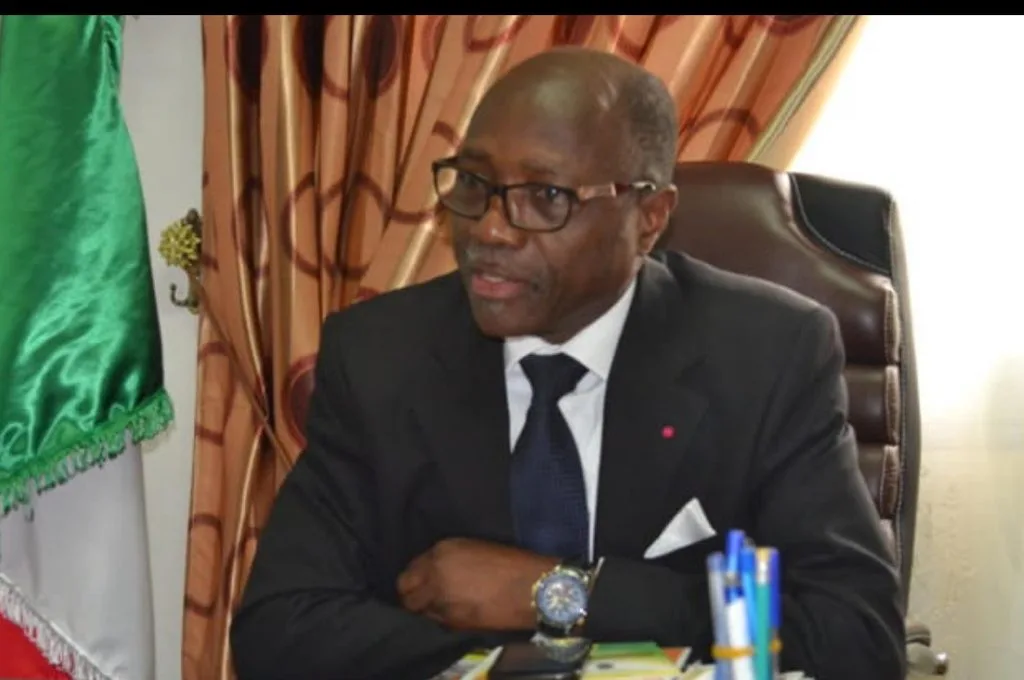
It is with genuine pleasure and immense pride that I take the floor before you on this memorable day marking the opening of the events celebrating the twentieth anniversary of the « Chantal Biya » International Reference Centre (CIRCB). On behalf of the governing bodies of our institution the Board of Directors and the Scientific Council, on behalf of all the staff, and in my own name, I extend to one and all my warmest welcome.
Allow me at the outset to express our profound and deferential gratitude to the exceptional woman who gave this house its name, its heart, and its vision: Madam Chantal Biya, First Lady of Cameroon and patron of CIRCB. It is thanks to her drive and unwavering support that this centre exists, that it stands tall, and that it has radiated for two decades. On February 23, 2006, Madam Chantal Biya officially inaugurated this jewel. Since then, she has ceaselessly carried it as a mother carries her child, with conscience, patience, and exigency. Through her constant benevolence toward our institution and her deep compassion for the sick, particularly individuals living with HIV, she embodies the very essence of our mission. Today, CIRCB stands as an undisputed reference and a flagship of African research respected across the globe.
This prestige was not decreed; it was patiently built, publication after publication, patient after patient. It is the fruit of the relentless work of our staff, the astute oversight of our governing bodies, and the loyalty of the numerous national and international partners that CIRCB has managed to federate.
A scientific institution resembles a castle, a cathedral where each generation places its stone without ever claiming to have completed it. I therefore wish to pay a vibrant tribute to all those who have contributed to building this edifice, traversing eras and overcoming the structural challenges of our environment. For, as Isaac Newton so aptly wrote: « If I have seen further, it is by standing on the shoulders of giants. » Our giants are them. To those who honor us by being present among us today, I express a profound sentiment of recognition.
I wish to express our gratitude to our Italian partners of the very first hour, notably Professors Vittorio Colizzi, first scientific director of CIRCB, Carlo Federico Perno, current chairman of our Scientific Council, and Dr. Julien Capé-Louis, head of the scientific section of CIRCB from 2006 to 2009.
My thanks go equally to our compatriots and collaborators: to Mr. Jean-Stéphane Biatcha, Chairman of the Board of Directors of CIRCB since its inception; Professor Pierre Folder-Joseph, administrator of CIRCB from 2008 to 2012; Professor Rose Leke, Vice-Chairperson of the Scientific Council; Professor Emmanuel Eben-Moussi; Dr. Odier Rouet; as well as numerous other devoted actors. Our heartfelt thoughts also go out to those who have left us, departed pioneers who blazed our trail. I think in particular of the late Marcel and Monique Lobé, directors of CIRCB from 2006 to 2008.
I salute the memory of Professor Luc Montagnier, co-laureate of the Nobel Prize for the discovery of the human immunodeficiency virus and chairman of the Scientific Council of CIRCB from 2006 to 2012, as well as Professor Alain Chaputier, Peter Mathieu-Zinoumé, Cévin-Cécile Abéga, and Professor Wally Njomuna, chairman of the Ethics Council from 2006
to 2012, all torn from our affection. Amadou Hampâté Bâ bequeathed us a truth that has become universal: « In Africa, an old man who dies is a library on fire. » Each of these departed individuals embodied an inestimable sum of knowledge and commitment. It is incumbent upon us to preserve and fructify their legacy. To their memory and that of all CIRCB collaborators called back to God, I invite you to stand and observe a minute of silence.
Ladies and Gentlemen, the theme chosen for this twentieth anniversary is captured in a demanding formula: « Twenty years of scientific excellence in the service of public health. » Twenty years is the age of maturity. It is also the opportune moment to cast a retrospective glance upon the path accomplished and set the horizon for our future ambitions. Three fundamental questions will guide my remarks: What path has CIRCB traversed? What has it accomplished? And finally, what are our perspectives for the years ahead?
The trajectory of our institution, spanning two decades, commands admiration both institutionally and scientifically.
On the institutional front, growth has been remarkable. Conceived initially as a project attached to an international organization, CIRCB became in 2012, by presidential decree, a public administrative institution of a particular type, before evolving in 2018 into a public hospital-type institution endowed with management autonomy. From a simple project status, it has thus affirmed itself as a permanent institution of the Republic.
On the scientific front, evolution is equally eloquent. In 2006, CIRCB counted barely a dozen personnel, including a handful of researchers. Twenty years later, it fields 36 top-tier researchers, all grades combined, representing nearly 43% of its overall staffing. A notable and hopeful fact: 90% of them were trained, totally or partially, in Italian universities. And it is with immense pride that I highlight that within our scientific personnel, women occupy 53% of the ranks.
This dynamic has made it possible to curb the brain drain that weakens so many nations of the Global South, by instilling a genuine virtuous circulation of talents. Louis Pasteur already affirmed it: science has no country, because knowledge is the heritage of humanity. This torch, partly ignited in Italy, illuminates our laboratories in Yaoundé with brilliance today.
What has CIRCB accomplished in twenty years? Through its operational research programs, our institution has contributed decisively to the improvement of public health indicators in Cameroon and throughout the Central African sub-region. This contribution rests on four fundamental pillars.
The first pillar lies in research having a direct impact on the lives of populations. Our teams have worked relentlessly against HIV. Thanks to major advances in molecular biology, we have revolutionized early diagnosis among infants born to HIV-positive mothers (MACA). Whereas traditional serological tests left uncertainty lingering up to 18 months due to maternal antibodies, CIRCB made reliable diagnosis possible from the very first weeks of life, in accordance with World Health Organization (WHO) guidelines. The international clinical trial CHER, published in 2008 in the prestigious New England Journal of Medicine, demonstrated that early diagnosis combined with immediate treatment reduces infant mortality by 76%. Offering such life expectancy remains our greatest pride.
The second pillar is having forged a true nursery for African science. Over twenty years, CIRCB has trained in its laboratories more than a hundred PhD holders and hundreds of master’s degree holders, in synergy with public universities and partner institutions. Much like a tree nursery that nourishes an entire forest, these young Cameroonian and African researchers constitute the surest pledge of our scientific sovereignty. Nelson Mandela taught us that education is the most powerful weapon which you can use to change the world; at CIRCB, we have made that a tangible reality.
The third pillar is the exemplarity of our partnership model. We would not have arrived here without the unwavering support of our allies, foremost among them the Italian government, our strategic and historical partner. Twenty years of uninterrupted cooperation between Rome and Yaoundé prove that a partnership founded on training and skills transfer generates sustainable results.
The fourth pillar consecrates CIRCB as an advanced instrument in the service of public policies. With its 36 researchers and eight specialized laboratories, CIRCB produces an average of 40 scientific publications per year in high-impact peer-reviewed international journals. It shoulders the government, and particularly the Ministry of Public Health, through strategic decision-making notes during epidemiological crises.
Our health engagement extends well beyond the framework of HIV. CIRCB has taken an active part in responses against COVID-19 and the Ebola virus disease, going so far as to export its expertise to East Africa during the darkest hours of the epidemic. Today still, facing threats of Ebola signaled at our borders, our institution stands ready to bring its scientific contribution to the national response.
While HIV infection is now controlled, with patients under treatment leading a normal life with an undetectable viral load, the epidemiological profile is mutating. This is why CIRCB is initiating a resolute strategic shift toward onco-virology (the study of oncogenic viruses linked to cancers) and the management of chronic comorbidities (hypertension, diabetes).
Madam representative of the First Lady, Excellencies, Distinguished guests, the twentieth anniversary of CIRCB is not merely a memorial jubilee; it is a springboard toward new challenges. Carried by the humanistic vision of Madam Chantal Biya, we will continue to make this centre a beacon of scientific excellence and an unyielding shield for the health of Africa’s populations.
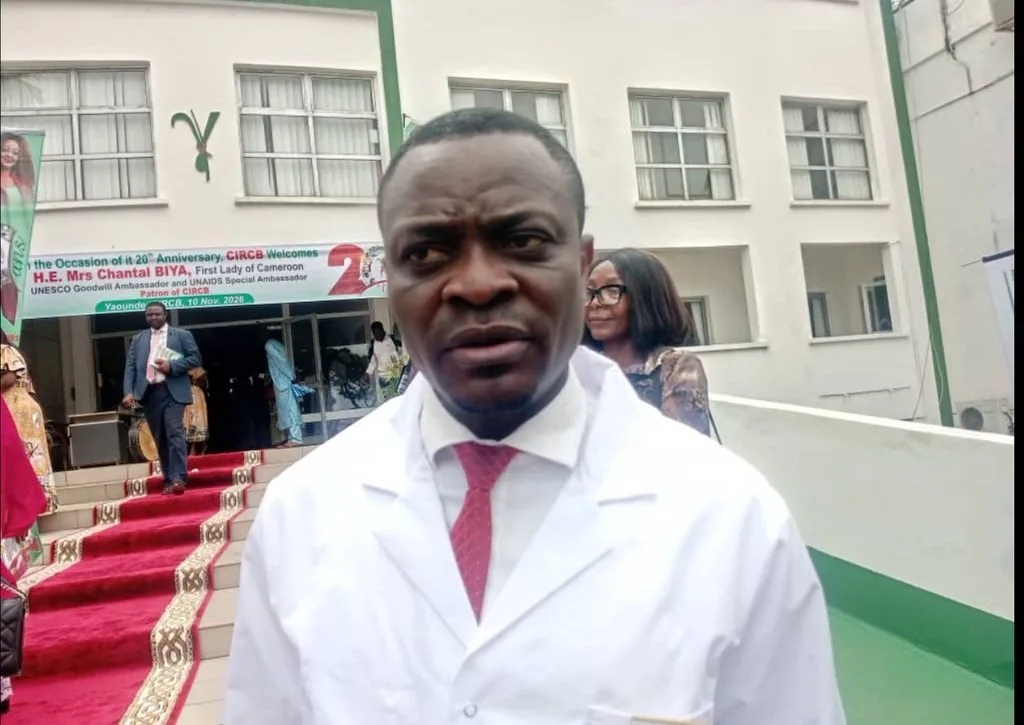
« CIRCB is resolutely turning toward onco-virology and the new challenges of public health
The « Chantal Biya » International Reference Centre (CIRCB) unquestionably constitutes our reference institution and the cradle of our scientific commitment. For my part, having had the privilege of being the very first PhD supervisor of this house, my career is intimately tied to it. After defending my doctorate at the Faculty of Medicine and Biomedical Sciences (FMSB) of the University of Yaoundé I, I had the opportunity to hone my training in Italy as part of a postdoctoral curriculum in medical biology delivered by eminent transalpine academics.
Upon returning to the country, I assumed the role of head of the biology laboratory. This pivotal period enabled us to mobilize substantial external funding from prestigious partners, such as the European Union, the Bill & Melinda Gates Foundation, and other international donors. Thanks to CIRCB’s outreach and technical platforms, we were able to train over thirty PhD candidates, originating not only from Cameroon but also from Italy.
Our academic and sanitary footprint has likewise extended beyond our borders, notably to Gabon and Chad, where we trained PhD candidates while providing a decisive technical support to national HIV responses and local medical emergencies. Over these past two decades, the dynamism of our research has translated into more than 300 scientific publications in leading international journals.
Beyond academic production, CIRCB has established itself as a key actor in national health
security on the front lines of major epidemiological crises. During the COVID-19 pandemic, our institution was the first to identify the Omicron variant in Cameroon, thereby providing evidence-based and strategic data to guide the national health response.
Today, facing global epidemiological shifts, CIRCB is expanding its scope of action beyond the fight against HIV. We are initiating a resolute strategic pivot toward onco-virology, a crucial discipline dedicated to the study of oncogenic viruses responsible for cancers.
In a context where HIV infection is now controlled, with patients under treatment leading a normal life with a virus maintained in an inactive state, public health challenges are evolving. These patients, who are no longer sick in the acute sense of the term, exhibit an increased propensity to develop comorbidities such as hypertension, diabetes, and various cancerous pathologies. It is precisely to address this epidemiological transition that CIRCB is orienting its priorities toward these new domains.
« CIRCB is a true catalyst for individual and collective transformation. »

Every day, whether bent over a laboratory bench or standing before my students, I measure the privilege that is mine to belong to these two prestigious institutions, true beacons of knowledge and excellence for our country. This privilege owes nothing to chance.
It is the fruit of a patient journey, guided by a tenacious passion for research. Following the attainment of my advanced studies diploma (DEA) in parasitology and ecology at the University of Yaoundé I, I found myself at a true crossroad: how to sustain my needs while pursuing my vocation? Then, in 2006, the Directorate of Operational Health Research launched a call for applications for a master’s degree in applied biotechnology in Italy.
This opportunity proved to be much more than a simple academic step; it marked a decisive turning point in my professional path. Working within a molecular biology laboratory in Italy enabled me to acquire practical and sharp skills, notably in performing viral load tests and analyzing HIV resistance to antiretrovirals.
These acquisitions constituted the indispensable foundation for undertaking deeper investigations, making it possible to compare HIV strains circulating within the Italian population and those isolated among immigrants. This stay also opened my mind to a global and multicultural vision, essential for international health action against HIV/AIDS. Upon my return to Cameroon in 2009, joining CIRCB in the capacity of laboratory technician was a moment of profound pride.
Discovering and mastering CIRCB’s cutting-edge technical platform confirmed that I could henceforth actively contribute to the biological monitoring of individuals living with HIV. But a deeper aspiration pushed me ever forward, convinced of my ability to play a full role in advancing research against this pandemic. It was following stimulating exchanges with Professor Vittorio Colizzi, former scientific director of CIRCB, that I expressed my ambition to embark on a PhD doctorate.
He believed in me and encouraged me. Thus, under his mentorship and that of Dr. Godwin Nchinda, current Deputy Director General of CIRCB, I had the opportunity to work on an innovative project centered around an anti-HIV vaccine candidate utilizing BCG as a vector. This theme led me to return to Italy to perfect advanced techniques, such as cell culture and the expression of HIV genes, in order to decipher viral physiopathology and more effectively target its replication.
This path, punctuated by stimulating challenges, led us to reorient our strategy by targeting key cells involved in regulating the immune response. Concurrently with my thesis work, I had the honor of integrating the prestigious flow cytometry school of the Geneva University Hospitals, thanks to the collaborative network established by Professor Copti. This enriching immersion considerably consolidated my mastery of flow cytometry, a crucial competency both for fundamental research and for diagnosing complex hematological malignancies, such as leukemias and lymphomas.
Ladies and Gentlemen, to date, twenty-five CIRCB staff members and trainees have benefited from advanced training in Italy. This dynamic illustrates itself through an impressive diversity of profiles and specialties: two master’s degrees in applied biotechnology and microbiology, a pharmacist specialized in clinical pathology, two physicians specialized in clinical biochemistry and hematology, as well as eleven PhD doctorates—including two in applied immunology and biotechnology, four in virology and microbiology, and five in immunology and clinical molecular medicine.
To this is added a postdoctoral fellowship in virology and infectious diseases, while seven PhD candidates are currently undergoing training. It is worth emphasizing that among trainees who have defended their PhD doctorates, four out of five representing a remarkable rate of 83% have been recruited as permanent researchers within CIRCB. This formidable mosaic of competencies stimulates innovation and enables our institution to tackle the most complex public health challenges, attacking not only HIV, but likewise a broad spectrum of pathogens, following the example of the virus responsible for COVID-19, human papillomavirus, or viral hepatitis viruses.
It is this scientific alchemical blend that forges our identity, nurtures our quest for excellence, and establishes our outreach on an international scale. Ladies and Gentlemen, CIRCB is not merely a research structure or a medical analysis laboratory: it is a true catalyst for individual and collective transformation. This exemplary partnership between Cameroon and Italy demonstrates, through facts, that the transfer of technologies and skills constitutes the royal road toward our country’s scientific emancipation.
In this happy commemoration of CIRCB’s twentieth anniversary, we exhort all Cameroonian researchers to resolutely embrace this dynamic. Let us continue to invest in elite training, innovative research, and international partnerships. Let us encourage Cameroonian youth to dream big, to dare science, and to take ownership of this national jewel that is our Centre.
The future of health and research in Cameroon depends intimately on our capacity to consolidate these bridges, to transmit our know-how, and to preserve CIRCB’s status as a nursery of excellence. I cannot conclude my remarks without expressing, on behalf of all fellows trained in Italy and in my own name, our profound gratitude toward our Italian partners, whose constant accompaniment has made this wonderful adventure of sharing and mutual enrichment possible. I likewise address my warmest thanks to my CIRCB colleagues, whose selflessness and passion feed our common commitment on a daily basis.
My thanks go finally to the Cameroonian government, whose constant technical and financial support remains the pillar of our achievements. Finally, a deferential and appuyed tribute is owed to Madam Chantal Biya, First Lady of Cameroon and patron of CIRCB, whose unwavering support and humanist vision infuse a soul into our missions.
While consolidating our historical achievements in the management of HIV, hepatitis B, and other infectious diseases, our ambition is to rapidly strengthen our capacities for surveillance, preparedness, and response facing emerging pathogens. This vision goes hand in hand with an active contribution to the country’s strategic choices regarding human vaccination, whether it involves countering HIV or battling oncogenic viruses.