
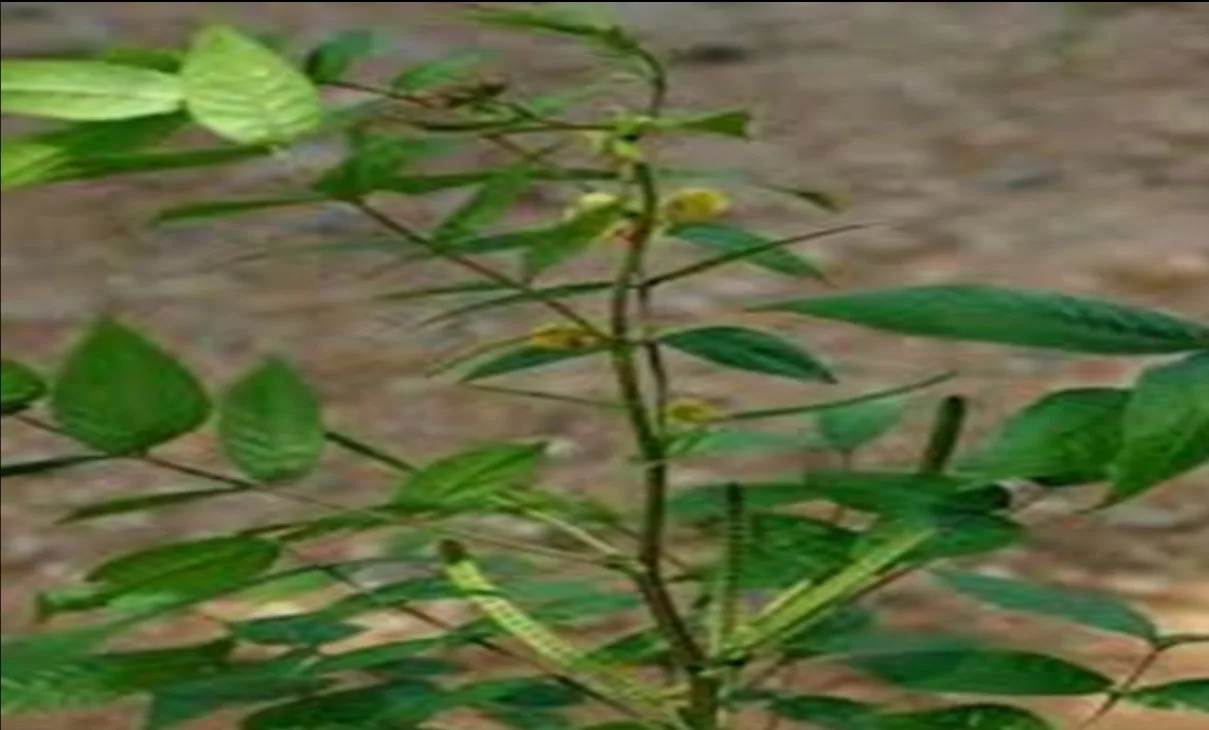
Used for centuries in West Africa’s traditional pharmacopoeia, kinkeliba is establishing itself as a major ally in diabetes management.
The primary appeal of kinkeliba for diabetics lies in its hypoglycemic properties. The leaves of this robust shrub are packed with potent active ingredients, notably polyphenols, flavonoids, and tannins. Working in synergy, these compounds act in several ways to help the body maintain a stable blood sugar level, according to traditional healers. Specifically, they improve insulin sensitivity by helping the body’s cells respond more effectively to this key hormone that regulates glucose entry. Consumed as an infusion, it also helps slow down carbohydrate absorption in the intestine, thereby preventing sudden, fatiguing post-meal blood sugar spikes. Furthermore, its antioxidant properties combat oxidative stress, protecting the pancreatic cells involved in insulin production.
Beyond blood sugar, diabetes is a complex condition that weakens the entire cardiovascular and renal system. Kinkeliba offers a comprehensive approach thanks to its multiple secondary properties. Traditionally nicknamed the « long-life herbal tea, » it stimulates hepatic and renal functions and promotes the elimination of toxins—a precious asset for relieving kidneys often strained by chronic hyperglycemia. Moreover, by helping to regulate blood pressure and reduce bad cholesterol levels, it helps prevent the vascular complications inherent in type 2 diabetes.
The most common and traditional method to enjoy these benefits is to prepare a decoction or infusion by boiling a handful of dried leaves in a liter of water for about ten to fifteen minutes, then drinking a glass with no added sugar. « To be renewed for the evening consumption, » explains Dr. Ibrahim, a naturopath.
Usage Precautions Although natural, kinkeliba possesses real biochemical potency, according to the practitioner. If you are following a medication regimen for diabetes, its regular consumption should be discussed with your attending physician to avoid any risk of hypoglycemia. Furthermore, its use must under no circumstances replace treatment prescribed at the hospital.
In short, kinkeliba embodies a harmonious bridge between ancestral knowledge and modern health, offering diabetic individuals valuable support for daily living.