

Presented on November 9 in Yaoundé, the 2026–2030 National Strategic Plan aims to reduce malaria-related cases and deaths by 90%. Despite a recent decline in incidence, Cameroon is banking on enhanced multisectoral coordination and optimized logistics to defeat the disease.
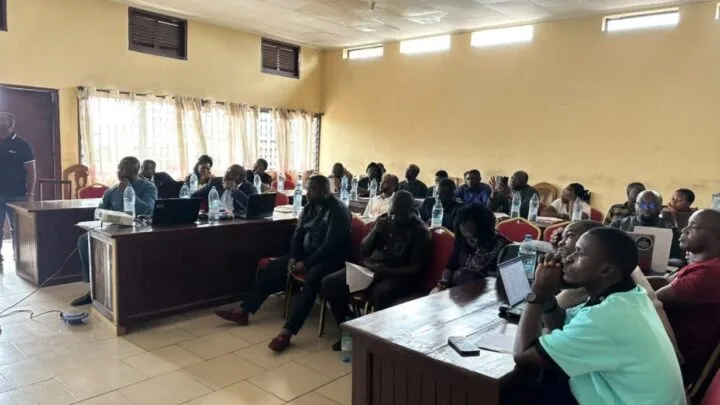
Fewer malaria-related illnesses and deaths across the entire country this is the stated ambition of the brand-new 2026–2030 National Strategic Plan (NSP) for Malaria Control, unveiled during a meeting of the National Roll Back Malaria Committee (CNRBM). The session, held on Tuesday, November 9, 2026, at the Cameroonian Red Cross banquet hall and chaired by Dr. Solange Kouakap representing the Minister of Public Health offered an encouraging assessment while highlighting an unavoidable truth: without rigorous synergy among all stakeholders, eliminating this scourge will remain out of reach.
Notable Progress Hindered by Logistical Bottlenecks
The figures presented during the meeting point to a positive trend. In the first half of 2026, the incidence of malaria fell by one-third compared to the same period in 2025, reaching approximately 64 cases per 1,000 inhabitants. Out of a total of 5,448,739 medical consultations for all causes, 1,019,280 confirmed cases were recorded, representing a proportional morbidity rate of 18.7%. In terms of mortality, there have been 469 deaths an encouraging 19% decline in the death rate.
However, this statistical improvement does not mask the operational weaknesses of the current system. Several bottlenecks continue to hinder the effectiveness of the response on the ground: supply lead times that are considered too long, recurring stockouts at certain healthcare facilities, gaps in the reporting of community-level data, and the diminishing effectiveness of long-lasting insecticidal nets (LLINs) after two years of use. These shortcomings highlight just how vulnerable the healthcare value chain remains when its various components fail to communicate seamlessly.
The 2026–2030 National Strategic Plan (NSP): Five Priorities for Scaling Up
To overcome these obstacles and accelerate the decline of the endemic, the National Malaria Control Program (NMCP) has established an ambitious roadmap. The 2026–2030 NSP aims for a dramatic 90% reduction in malaria-related morbidity and mortality by 2030, compared to the 2022 baseline. This strategy fully incorporates the commitments made in the March 2024 Yaoundé Declaration and directly addresses emerging threats, such as resistance to antimalarial drugs and the arrival of new mosquito vector species. Financially supported by the Global Fund, this plan is structured around five priority areas: targeted prevention, improving the quality of care, strengthening governance and leadership, ensuring the availability of reliable real-time data, and optimizing the supply chain. The approach also prioritizes equity, gender, human rights, and enhanced grassroots communication, aiming to anchor interventions within the very heart of communities.
Multisectoral coordination: the cornerstone of success
Beyond the technical soundness of the chosen strategies, the true challenge now lies in operational governance. Reducing the burden of malaria by 90% requires moving away from working in silos. Close coordination involving the health sector, other public administrations, decentralized local authorities, civil society, and international partners is essential to prevent stock shortages and ensure the reliable flow of information from even the most remote health districts.
In short, the 2026–2030 National Strategic Plan (NSP) provides Cameroon with a structured and realistic framework for action. Its success will depend on the ability of every stakeholder to play their part effectively within a well-synchronized effort, ultimately transforming political commitments into tangible health outcomes and saving thousands of lives for the long term.