

The launch of the 11th edition of Cameroon AIDS Month in the South West Region comes amid persistent challenges in HIV prevention, diagnosis and treatment outcomes. With recent survey findings pointing to gaps in viral suppression, health authorities are calling for stronger stakeholder engagement and coordinated interventions ahead of World AIDS Day on December 1.
A regional mobilisation for HIV prevention
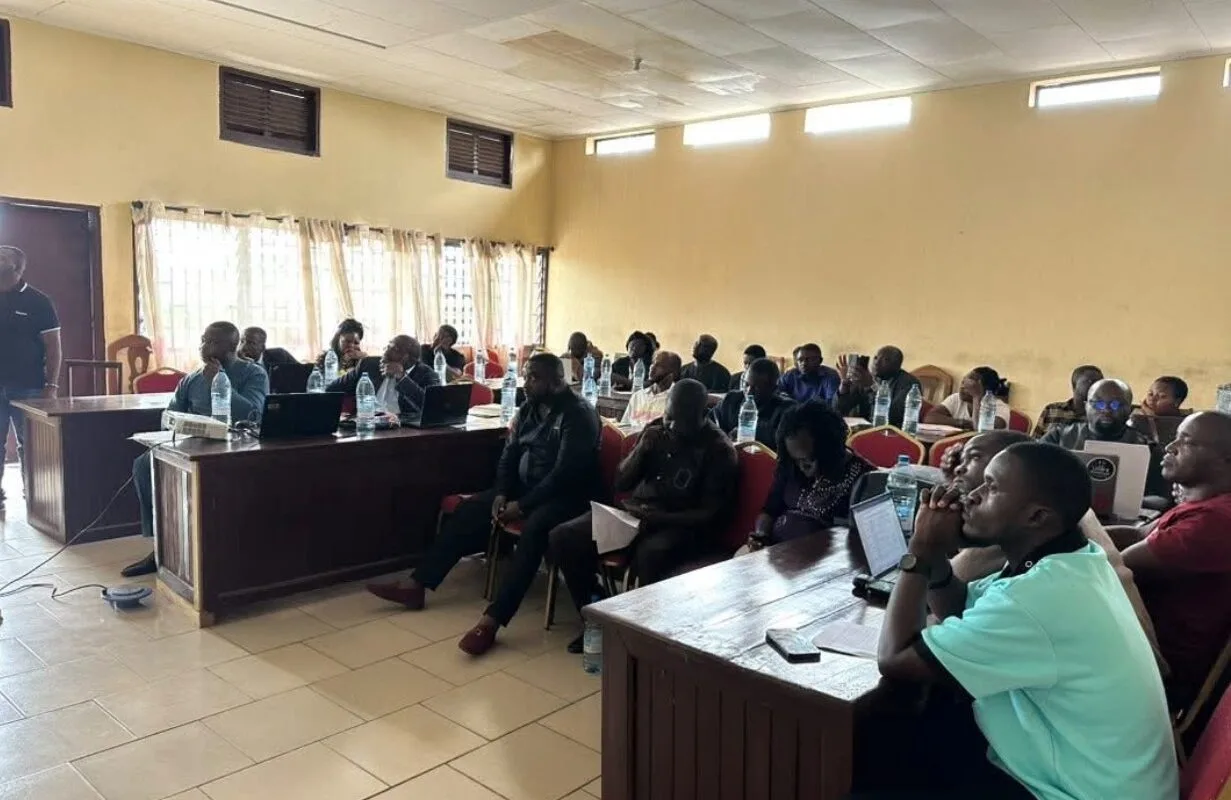
The campaign was officially launched following a preparatory meeting held at the Regional Delegation of Public Health Conference Hall in Buea, under the chairmanship of the Regional Delegate of Public Health. The gathering brought together stakeholders involved in the regional response to HIV/AIDS to review the strategic framework for the 2026 edition and prepare activities across the region.
During the meeting, the Coordinator of the Regional Technical Group for the Fight Against HIV/AIDS presented the campaign’s scope, objectives and implementation methodology. The presentation outlined the different stages of the programme, covering preparations before the campaign, activities during its implementation and follow-up afterwards. Potential risks and mitigation measures were also examined to guide the intervention process.
The meeting further provided an opportunity to review the regional HIV epidemiological
situation and the structure of the Regional Technical Group. This assessment highlighted the importance of strengthening prevention interventions and improving coordination among the different actors involved in the response.
Viral suppression remains a challenge
The regional mobilisation takes place against a backdrop of persistent gaps in HIV care. Findings from the 2024-2025 Cameroon Population-based HIV Impact Assessment (CAMPHIA) indicate that HIV prevalence among people aged 15 and above stands at approximately 3% nationally.
In the South West Region, the estimated prevalence among this age group is 3.7 per cent. More significantly, viral suppression among people living with HIV in the region is estimated at 67% compared with the national estimate of 72%.
Viral suppression is a key indicator of treatment effectiveness. It occurs when antiretroviral therapy reduces the amount of HIV in a person’s blood to very low levels. Achieving and maintaining this outcome is essential to protecting the health of people living with HIV and preventing further transmission.
The regional figures therefore point to the importance of strengthening access to testing, ensuring continuity of treatment and improving patient follow-up. They also provide an important public health context for the 2026 campaign, although they reflect findings from the survey period rather than the impact of the current activities.
Stakeholders called upon to take ownership
Beyond the technical review, the Buea meeting focused on the practical organisation of the campaign. Activity-planning forms were distributed to participating structures to help them identify their proposed interventions and establish their respective action plans.
In his opening remarks, the Regional Delegate of Public Health urged stakeholders to take ownership of the programme, describing their commitment as essential to its success. He officially launched the activities and cautioned against leaving the responsibility of the HIV response to a limited number of institutions or individuals
Towards a stronger regional response
As the campaign progresses towards World AIDS Day on December 1, the challenge will be to translate stakeholder commitments into effective prevention and treatment interventions. Beyond awareness-raising, the response requires sustained efforts to encourage HIV testing, facilitate access to antiretroviral treatment and support people living with the virus in maintaining their treatment.
The South West Region’s preparatory meeting thus places coordination and collective responsibility at the centre of its 2026 campaign. Its effectiveness will ultimately depend on how well the planned interventions are implemented and their contribution to closing existing gaps in HIV prevention and care.