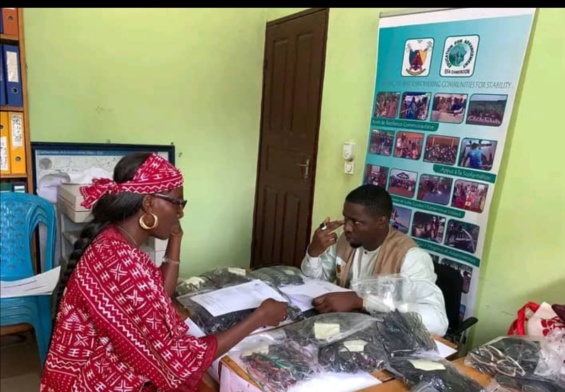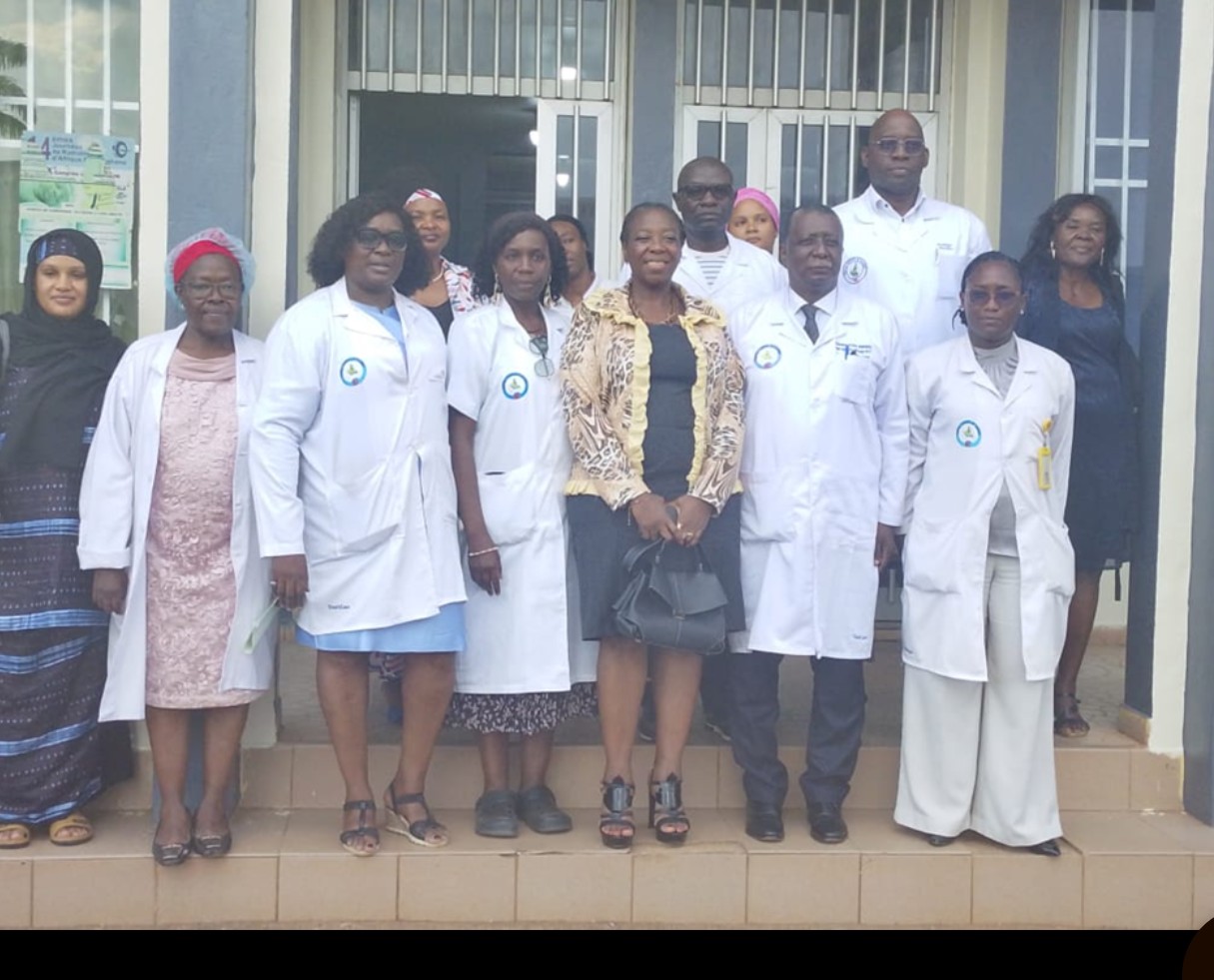
To reverse the trend, on June 10 and 11, 2026, the Chemotherapy Unit of the Yaoundé Central Hospital opened its doors to the public.
« Chemotherapy does not mean death. » The phrase, repeated by Prof. Madeleine Ngandeu, rheumatologist and moderator, still echoes through the corridors of the Yaoundé Central Hospital. On June 10 and 11, 2026, the Chemotherapy Unit opened its doors to the public for a truth operation. Faced with a disease whose figures are dizzying – 19,774 new cases and nearly 12,000 deaths in 2022 in Cameroon – the institution chose to break taboos. Objective : to let fear in, and let misconceptions out. The assessment made by Prof. Françoise Ngo Sack is unequivocal. According to GLOBOCAN 2022 data, the world recorded 20 million new cancer cases, with a projected 77% increase by 2050, reaching 35 million new cases. Sub-Saharan Africa is not spared: 800,000 new cases and 521,000 deaths in 2022, with an expected doubling by 2040.
In Cameroon, the situation is alarming. There are 19,774 annual new cases for 12,000 deaths. Among men, prostate cancer dominates. Among women, breast cancer is the most common (4,207 new cases), followed by cervical cancer (2,504 cases). But the tragedy, the expert emphasizes, is the delay in diagnosis: « 60 to 80% of patients arrive at stage 3 or 4, regardless of the type of cancer. » Added to this are specific risk factors: smoking, alcohol, obesity, sedentary lifestyle, but also viruses (HPV, hepatitis B/C) and exposure to pesticides.
Demystifying chemotherapy: « Myth or reality »
The heart of the symposium, led by Prof. Pierre Ongolo Zogo and Prof. Arthur Essomba, aimed to dismantle misconceptions one by one. It was Dr. Hervé Enyegue Atangana, oncologist, who
led the crucial session: « Chemotherapy: myth or reality? » For him, chemotherapy remains an essential pillar. « It can be curative, reduce a tumor before surgery (neoadjuvant), or prevent recurrence after surgery (adjuvant), » he explained. Faced with the fear of side effects – hair loss, nausea, fatigue – the doctor was clear: « The toxicities are real, but predictable and manageable. We have been using chemotherapy for 50 years. Today, we know how to prevent them. » He added: « The clinical benefit is far greater than the risk. »
Another speaker added: « Just because a patient has side effects does not mean the treatment is a failure. On the contrary, it is sometimes a sign that it is working. » In clear terms: chemo is not a poison, but a therapeutic weapon that is wielded with precision.
A structured healthcare offering, but major challenges remain
Central Hospital presented its current situation. 334 patient files for hematological cancers were analyzed over 10 years. Average age: 52 years, with a male predominance (sex ratio 1.6). The good news: 70% of patients were alive at one year. But 10% were lost to follow-up, often for financial reasons or fear of toxicities.
In terms of resources, Dr. Zeh Kakanou, Permanent Secretary of the National Cancer Control Committee (MINSANTE), painted a mixed picture. « The government allocated a subsidy of nearly 2 billion FCFA for anticancer drugs in 2025, » he revealed. But he pointed out structural weaknesses: « Lack of vision and planning, fragmented orders (each hospital places its own order), which increases costs. » He also deplored the absence of standardized tools: « Consumption data does not come through. DHIS2 does not even track anticancer drugs. »
Prof. Ongolo Zogo recalled the hospital’s commitment: « The 2025-2027 establishment project makes quality holistic care a priority strategy. » Notable progress has been made: 35 medical oncologists are now practicing (compared to 1 before 2010), 40 are in training, and chemotherapy is now accessible in all regions.
Prevention and screening: the real remedy
Beyond treatment, the Open Days focused on prevention. Free screenings (urological, gynecological, hematological cancers) were organized. Prof. Ngandeu insisted: « Screening is the key to success. If you come early, you have a greater chance of being cured. » She also stressed a message to young people: « Learn breast self-examination, get vaccinated against HPV (coverage is below 15%). »
This symposium made it possible to put words to the pain. Chemotherapy is not a death sentence, but a chance. Challenges remain: harmonizing orders, training more staff, and above all, overcoming fear. As Prof. Essomba summarized: « Chemotherapy imposes constraints, but it is essential. Together, we can rise to the challenge. »
The next Open Days are already eagerly awaited. In the meantime, the Yaoundé Central Hospital has opened a breach in the wall of silence.