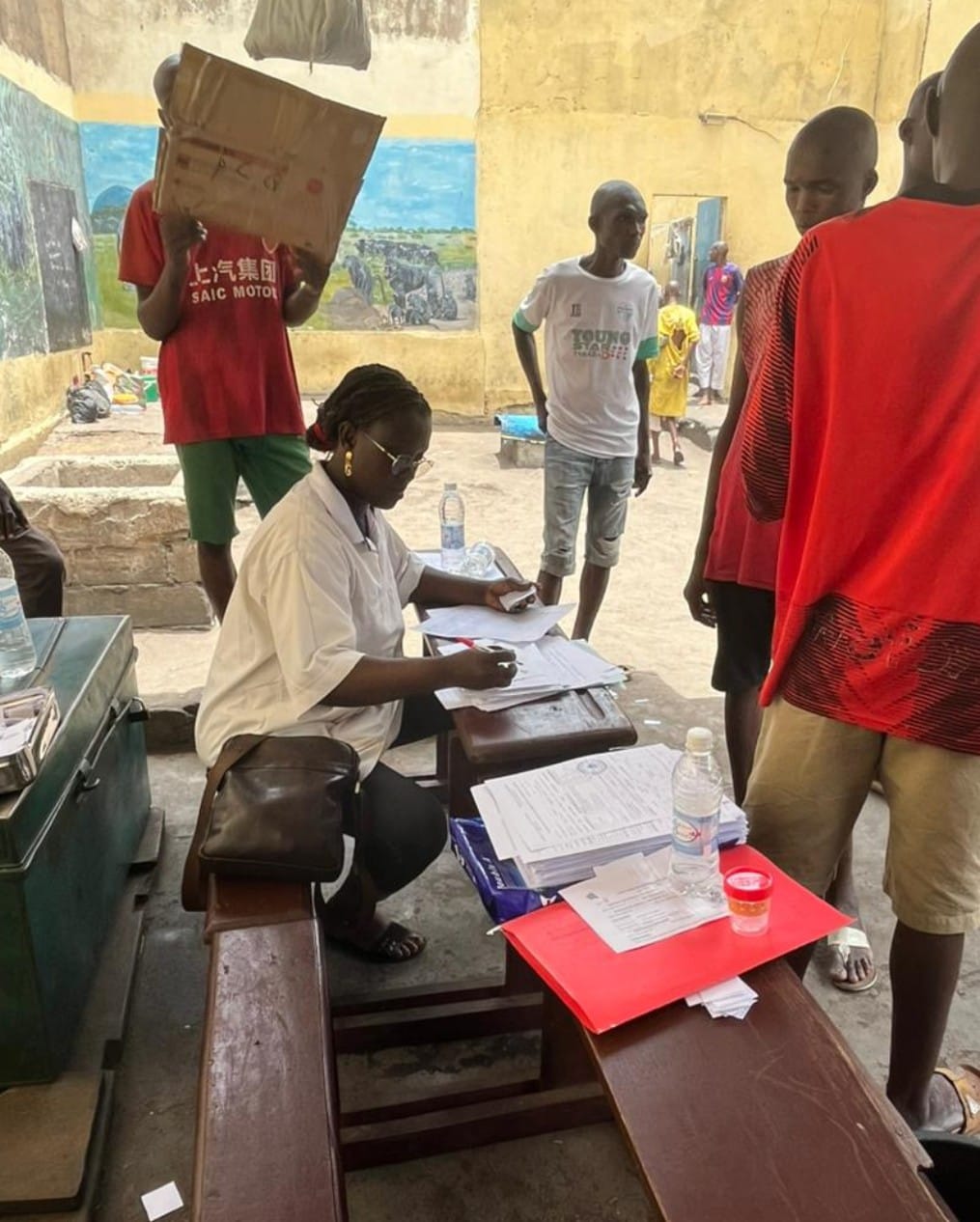
Systematic screening at the prison gates, regular awareness campaigns and the training of peer educators among the inmates have significantly reduced HIV cases in this prison facility.
The fight against HIV/AIDS in prisons in the North region is yielding encouraging results. At Garoua Central Prison, the efforts deployed over several years in prevention, testing, and awareness-raising are now bearing fruit. The recent visit of the Regional Technical Group (GTR) for the fight against AIDS in the North confirmed this positive trend, with findings that demonstrate a clear improvement in the epidemiological situation within this particularly vulnerable population.
The figures from this visit illustrate the progress made. Of the inmates recently tested, fewer than four were found to be HIV-positive. This result contrasts sharply with the situation observed a few years ago, when the number of detected cases was significantly higher. This decrease reflects the effectiveness of the strategies progressively implemented to prevent the transmission of the virus in prisons.
At Garoua Central Prison, prevention begins as soon as a new inmate is admitted. Every person admitted to the facility undergoes HIV testing. This procedure allows for the rapid identification of any positive cases, ensuring early intervention and limiting the risk of transmission within the prison population. This system is now one of the cornerstones of the strategy to combat HIV in the region’s prisons.
In addition to this measure, two screening campaigns are organized each year for all inmates. These operations not only detect any new cases but also raise awareness about behaviors to adopt to prevent infection. They also provide an opportunity to reiterate the importance of voluntary testing and care for people living with HIV.
One of the key innovations lies in involving the inmates themselves in raising
awareness. Peer educators are identified, trained, and then tasked with relaying prevention messages to their fellow inmates. This approach fosters a better understanding of the risks and encourages the adoption of responsible behaviors.
For the coordinator of the Regional Technical Group for the Fight Against AIDS in the North, this strategy is producing concrete results. “Among the inmates are trained peer educators who can easily raise awareness among their counterparts,” explains Dr. Malama Toussaint. According to him, this proximity facilitates the transmission of prevention messages and helps to overcome the reluctance often observed when discussing issues related to HIV/AIDS.
The official also emphasized that the communication efforts have been well received within the institution. The awareness sessions allow inmates to better understand how the virus is transmitted, methods of prevention, and the importance of testing and treatment.
The presence of an infirmary within Garoua Central Prison is another significant advantage. This healthcare facility provides essential consultations and regularly conducts screening tests. Individuals who test positive can thus be quickly referred to appropriate care, in accordance with national HIV/AIDS protocols. This system is not limited to Garoua Central Prison. Other prisons in the North region also have infirmaries where similar prevention, screening, and medical follow-up activities are carried out. This harmonization of interventions ensures a coordinated response to HIV in prisons. The reversal of the trend observed today is also the result of the commitment of numerous stakeholders.