Faced with the threats of urban flooding, landslides, agricultural losses and the resurgence of diseases like cholera, the organization is calling for increased vigilance and adherence to safety guidelines.
The traditional « return of the rains » is taking on the dimensions of a climate challenge this year. Forecasters at the National Observatory of Climate Change (ONACC), relying on historical data covering the period 1979-2022 and analyses from major international centers such as Columbia University’s Institute for Rainfall Research (IRI) and the National Oceanic and Atomic Energy Commission (NOAA), have scrutinized the coming days. Their diagnosis is unequivocal: heavy rainfall is expected across almost all ten regions, with varying intensities but potentially devastating in some areas. The monomodal forest zone, encompassing the Littoral and Southwest Regions, will experience the heaviest downpours. Accumulations there will be spectacular, approaching 600 millimeters in localities such as Manoka, Nkongsamba, Limbe, and Bamusso. This exceptional deluge, combined with often rugged terrain, raises fears of the worst. The National Office for Civil Protection (ONACC) warns of a high risk of flooding in the urban centers
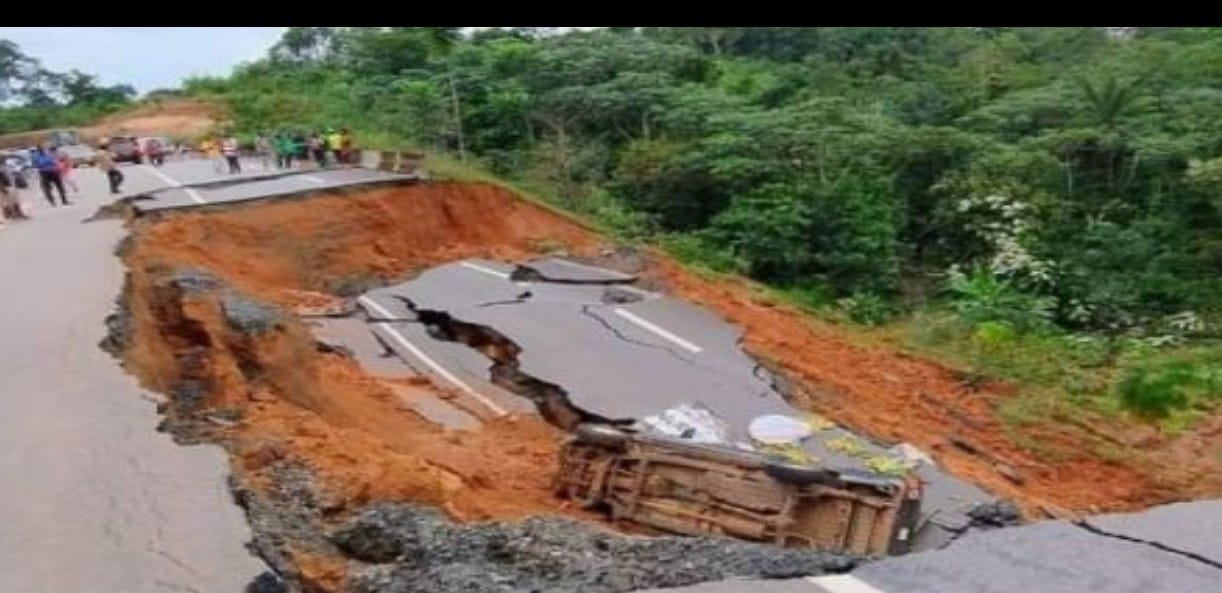
of Douala, Manjo, and Yabassi, as well as deadly landslides in the mountainous areas of Fako, Lebialem, and Bamboutos. Excess water becomes a silent enemy, threatening vulnerable homes and unpaved roads.
The bimodal forest belt, which covers the Central, Southern, and Eastern Regions, is also affected. Rainfall will be just as significant there, with peaks of 149 millimeters in the East (Bertoua, Yokadouma) and over 100 millimeters in the Central Region (Yaoundé, Mbalmayo). The political capital, Yaoundé, is particularly at risk. Faced with rapid urbanization and a frequently clogged drainage system, even the slightest heavy rain could cause flash floods and major traffic disruptions, turning some neighborhoods into veritable lakes. Authorities are urged to be extra vigilant, especially in densely populated areas.
Further north, in the high Guinean savannas of the Adamawa Region and the Sudanian-Sahelian zones of the Far North and North, the situation is just as worrying. While rainfall, ranging from 33 to 75 millimeters, is less intense there, it remains crucial for the ongoing agricultural cycles. Maize, sorghum, cotton, and onions are at a sensitive stage. The National Office for Agricultural and Rural Development (ONACC) warns of the risks of soil leaching and destruction of young shoots by the strong winds that will accompany these storms. The regions of Koza, Mokolo, and Poli could see their seeds devastated. The pressure is all the greater because the maximum temperatures, forecast between 32 and 36 degrees Celsius, will add further heat stress to crops and livestock.
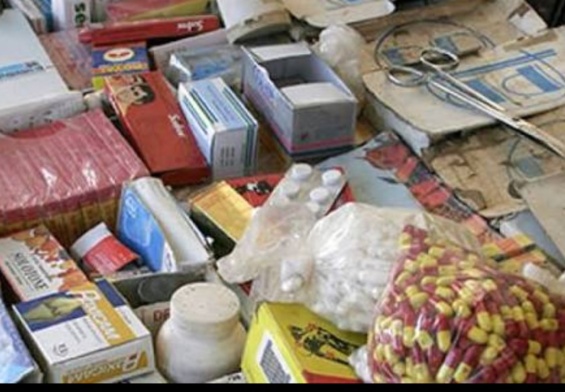
Beyond the hydrological shock, the ONACC (National Office for Combating Accidents and Diseases) is raising the alarm about the health and social consequences of this rainy decade. The primary threat is the resurgence of cholera, particularly in the Sudanian-Sahelian and coastal zones, due to the consumption of water contaminated by polluted runoff. The urban centers of Maroua, Yagoua, and Garoua have been identified as areas of particular concern. Simultaneously, stagnant rainwater will encourage the proliferation of mosquitoes, vectors of malaria, increasing the epidemiological risk in the North and Adamawa regions.
The energy and livestock sectors are not spared. Fallen trees and strong winds risk causing power outages, as was the case during previous storms in major cities. For livestock farmers, the fear is twofold: drowning of cattle in swollen rivers and epizootic diseases, such as foot-and-mouth disease, exacerbated by temperature fluctuations. The ONACC (National Office for Combating Accidents and Diseases) strongly recommends that farmers contact veterinary services for close monitoring of their herds.
Despite these threats, this bulletin is also intended as a decision-making tool. The Observatory emphasizes the importance of practical recommendations. The public
is advised to strictly adhere to hygiene rules, avoid taking shelter under trees or bridges during storms, and unplug electrical appliances. For the agricultural sector, crop calendars are available on the ONACC digital platform to guide planting, particularly in savanna areas. The challenge is to transform this rain, often perceived as an unavoidable event, into a manageable resource. This early warning, the result of work by the production team led by Dr. BATHA Romain Armand Soleil and supervised by Professor AMOUGOU Joseph Armathé, Director General of ONACC, underscores the crucial importance of prevention in the context of increasingly pronounced climate change. As clouds gather on the horizon, the message is clear: the rainy season is now a high-risk period, requiring synergy between state services, local authorities, and community resilience. The next deanery bulletin will indicate whether the precautionary measures have been sufficient to limit the damage.