A field mission by the United Nations Population Fund (UNFPA) to Bamenda has highlighted the urgent need to strengthen sexual and reproductive health services in Cameroon’s conflict-affected North West Region, where insecurity and limited resources continue to challenge access to essential healthcare.
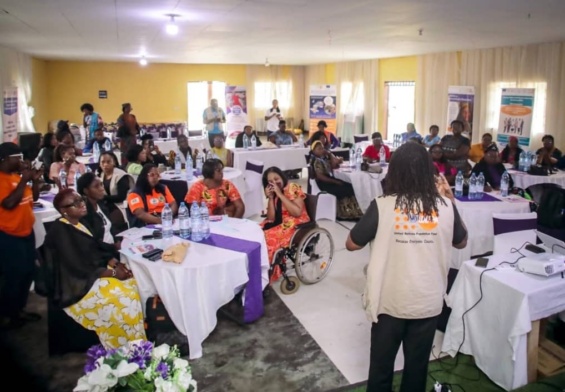
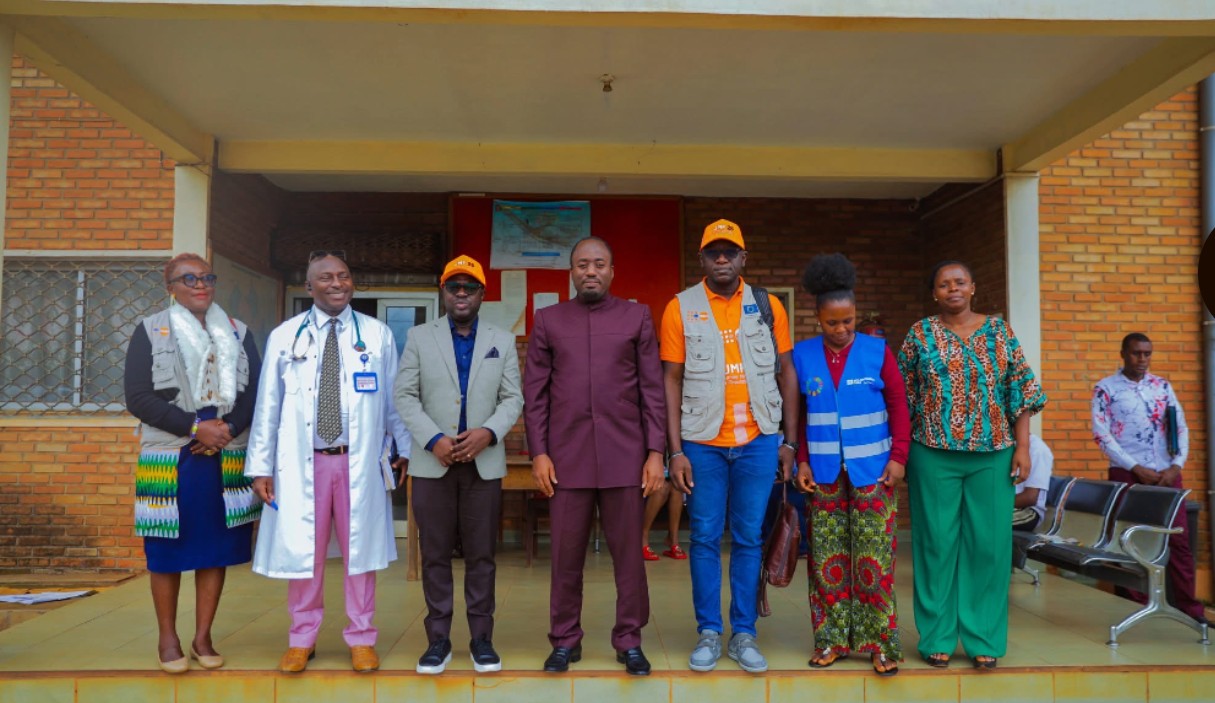
The visit, led by UNFPA Deputy Representative Samuel Kissi, brought together government officials, healthcare providers and civil society organizations to assess operational capacities and identify priorities for improving reproductive health and protection services in one of the country’s most vulnerable regions.
During the mission, Mr. Kissi met with the Regional Delegate of the Ministry of Public Health (MINSANTE), Dr. Ambe Lionel, and the Regional Delegate of the Ministry of Women’s Empowerment and the Family (MINPROFF), Mr. Wirba Hassan. Discussions focused on expanding access to sexual and reproductive healthcare while strengthening Women and Girls Safe Spaces, which provide essential protection and psychosocial support to survivors of gender-based violence.
The delegation also visited the Bamenda Regional Hospital, where exchanges with Hospital Director Dr. Denis Nsame and healthcare staff highlighted the pressures facing health facilities operating in a prolonged humanitarian context. Participants stressed the importance of maintaining an uninterrupted supply of reproductive health commodities, including maternal health and family planning products, to ensure that women and girls continue to receive life-saving care.
Representatives from several implementing partners, including WACameroon, SHUMAS, SWO, KUDOC and the Cameroon Baptist Convention Health Services (CBCHS), echoed these concerns. They emphasized that insecurity and resource limitations continue to affect the delivery of healthcare and protection services, particularly for adolescent girls and survivors of gender-based violence, who require comprehensive medical, psychological and social support.
The discussions also underscored the importance of empowering young women through community-based initiatives designed to reduce vulnerability and improve access to information and essential health services. Strengthening collaboration between public institutions, humanitarian organizations and local communities was identified as a key component of sustaining healthcare delivery despite the challenging environment.
Throughout the visit, Mr. Kissi observed firsthand the operational constraints faced by frontline health workers and humanitarian partners. Limited financial resources remain a significant obstacle to maintaining essential reproductive health services and expanding assistance to populations most affected by the ongoing crisis.
In response, UNFPA reaffirmed its commitment to working with government authorities and implementing partners to mobilize additional resources for the region. The findings from the Bamenda mission are expected to inform future programming and contribute to the preparation of the organization’s next Country Program Document (CPD9), which will guide UNFPA’s support to Cameroon in the coming years.
By placing the realities experienced by healthcare workers and vulnerable communities at the center of the discussion, the mission reinforced the importance of sustained investment in reproductive health services as an essential component of humanitarian response and long-term health system resilience in the North West Region.