Two Women and Family Promotion Centers in Yaoe are preparing to introduce disability inclusion into their hospitality training programs, beginning with the people who teach them. The initiative aims to make vocational education more accessible and improve employment prospects for persons with disabilities in Cameroon.
Access to vocational training remains a major challenge for many persons with disabilities in Cameroon, where physical, pedagogical and attitudinal barriers continue to limit equal opportunities. In Yaoundé, a new advocacy initiative is seeking to address one of the least visible obstacles: the preparedness of trainers themselves.
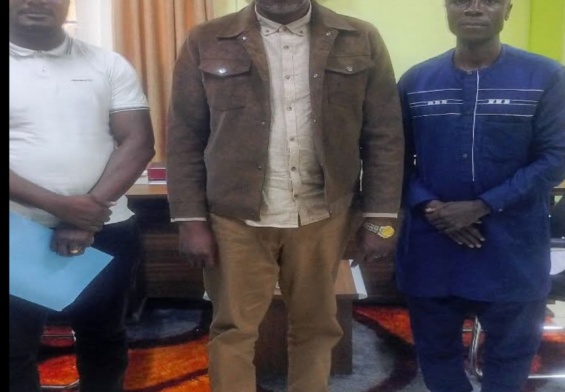
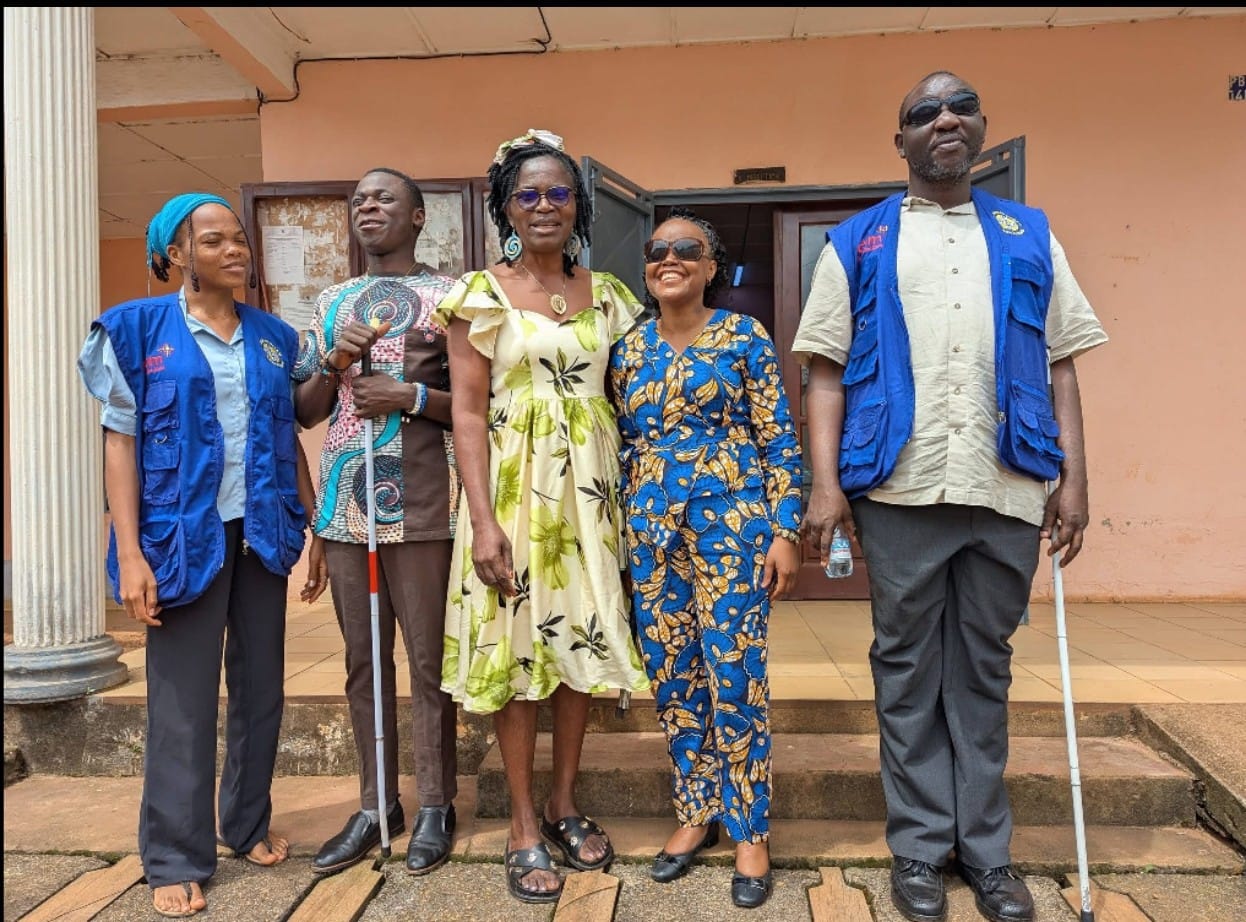
On 15 and 21 July 2026, Promhandicam-Association participated in two working sessions held at the Women and Family Promotion Centers (CPFF) of Yaoundé VI and Yaoundé IV. Organized by the SOMSO association with the support of Promhandicam-Association, the meetings brought together managers and staff from both centers to discuss how disability inclusion can become an integral part of vocational education.
Rather than focusing solely on infrastructure or student enrollment, participants agreed that meaningful inclusion begins with educators. Their discussions centered on introducing a disability inclusion module into the Hospitality and Catering
training program before progressively extending it to other vocational streams.
The proposed curriculum is expected to strengthen trainers’ understanding of disability issues and equip them with the skills needed to create learning environments that are more responsive to the needs of persons with disabilities. By improving teaching practices, the initiative seeks to ensure that future trainees are not excluded because of inadequate educational support.
The meetings concluded with a joint commitment to develop a dedicated training program for instructors. Scheduled to begin in September, the program will be designed collaboratively by SOMSO, Promhandicam-Association and the participating CPFFs. Once implemented, it is expected to pave the way for the gradual integration of disability inclusion across different vocational training courses.
The advocacy effort forms part of a broader project to strengthen access to inclusive education and promote the economic empowerment of persons with disabilities in Cameroon’s Center Region. The project is implemented by Promhandicam-Association with technical and financial support from CBM.
While the initiative is still at an early stage, its significance lies beyond the creation of a new training module. By investing first in those who teach, the partners are betting that inclusive education starts in the classroom, not only through accessible facilities, but through educators equipped to recognize diversity, remove barriers and ensure that vocational training becomes a genuine pathway to employment for everyone.