Following a grueling group stage, the medical staff of the qualified nations are working flat out. Between managing key players, treating bruises, and dealing with accumulated fatigue, the players’ physical condition could well make the difference in the knockout stage.
The first blow has fallen. After a particularly intense first round marked by hard-fought physical battles, the 2026 Women’s Africa Cup of Nations enters its knockout phase. While the spectacle on the pitch lived up to all expectations, the athletes’ bodies have paid a heavy price. As the quarterfinals approach, the health of the squads has become the primary concern for coaches, who are forced to adapt their game plans to the fitness of their key players.
The art of rotation to preserve key players
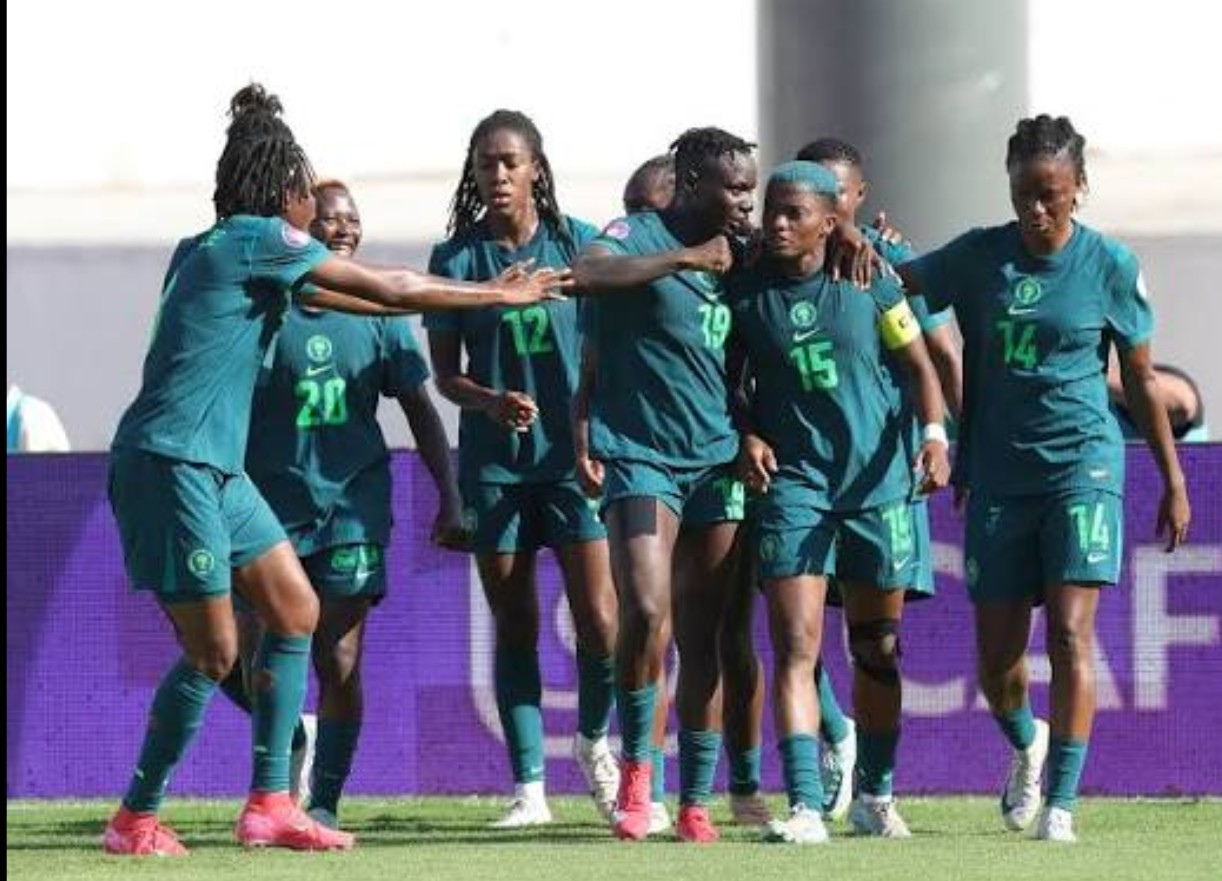
Faced with a packed schedule and a succession of high-intensity matches, some favorite nations have opted for a strategic approach of caution. For Morocco, the host country, the coaching staff took full advantage of their early qualification to rotate their squad during the final matchday of the first round. This controlled management allows the Atlas Lionesses to enter the quarterfinals with a particularly fresh group, free of major injuries, aside from the inevitable bruises inherent to the competition. A similar strategy was applied by Nigeria, where the Super Falcons had to contend with a challenging start to the tournament. Several key attacking players for the defending champions, hampered by crutches and increasing muscle fatigue,
saw reduced playing time during the third matchday. Although the Nigerian injury list remains under close scrutiny, no players have been ruled out, raising hopes for a strong return of key players for the knockout stages. Muscle strain alert in the key area.
For other ambitious teams, the group stage battles have left much more noticeable physical marks on their players. South Africa is monitoring the medical progress of its midfield with legitimate concern. Subjected to a constant athletic challenge within a particularly competitive group, several key players in the Banyana Banyana midfield are suffering from recurring muscle strains, putting a strain on the medical staff’s efforts. For Cameroon, the priority is focused on the recovery of the defensive unit. The Indomitable Lionesses had to fight real physical battles to advance from their group, and the back line is feeling the effects with several knocks and minor injuries. The medical teams are implementing intensive treatment protocols to ensure that the defensive unit is fully operational when they take to the pitch for the quarter-final clash.
Freshness, the key to continental glory
Beyond purely tactical and technical considerations, the outcome of this 2026 edition will largely depend on the depth of the squads and the effectiveness of sports medicine. In a tournament where the gaps between the major African nations are narrowing year after year, the ability to quickly get injured players back on their feet becomes a real competitive advantage. The traditional pre-match press conferences are already shaping up to be crucial, as it is at this precise moment that the coaches will unveil the actual composition of their squads for the final sprint.