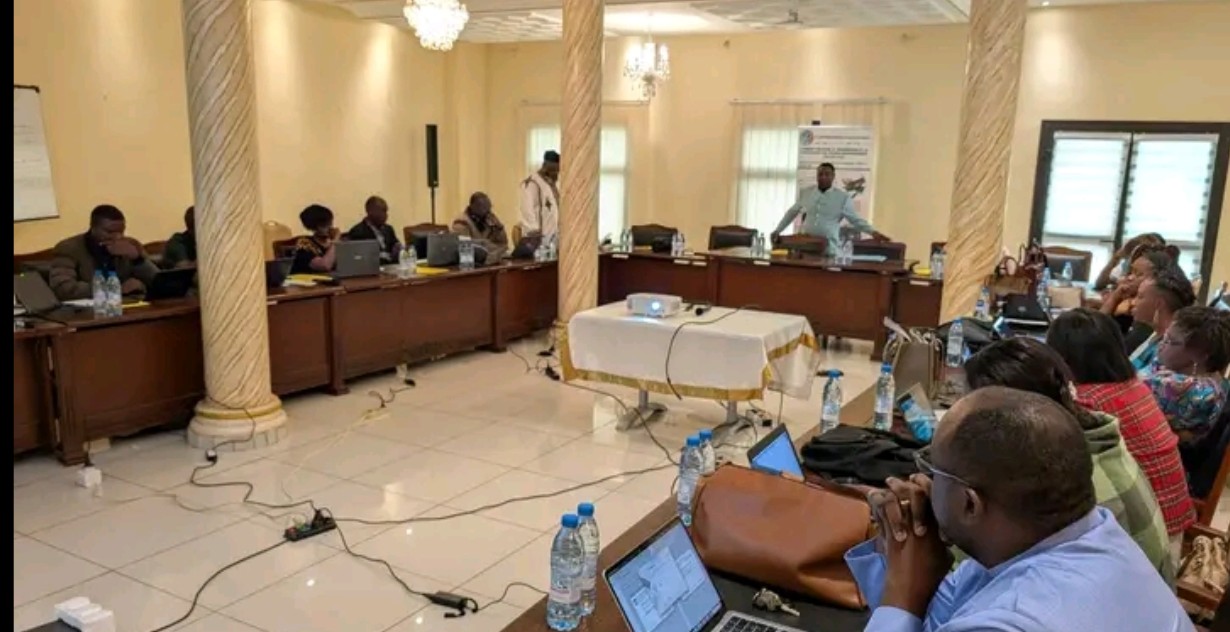
From August 17 to 21, 2026 in Mbankomo, the Zoonoses Programme brought together experts and stakeholders to finalize and validate online training modules designed to strengthen the capacities of actors in the « One Health » approach.
Following several capacity-building initiatives, Cameroon is continuing to structure its « One Health » system. In Mbankomo, experts and stakeholders worked for five days to finalize training materials designed to enhance the knowledge of those involved in the prevention and management of health threats.
E-learning modules to harmonize training programs
Organized by the National Program for the Prevention and Control of Emerging
and Re-emerging Zoonoses, through the « One Health » platform, the Mbankomo workshop is part of the implementation of recommendations stemming from the amendment to the national capacity-building strategy. From August 17 to 21, 2026, experts and stakeholders worked to finalize and validate online training modules. Chaired by Sali Ballo, Coordinator of the Zoonoses Program’s Technical Committee, the goal is to harmonize « One Health » training programs and integrate this approach into various training pathways. This is a project that has been underway for several years. As early as September 2022, the Zoonoses Program organized a workshop dedicated to analyzing and framing capacity-building tools, with the aim of developing standardized materials usable at different levels, down to the community level. This orientation is also included in the national action plan « One Health » 2024-2028, which provides for the strengthening of human capacities and the integration of the approach into training programs and curricula.
From on-the-ground screening to prevention
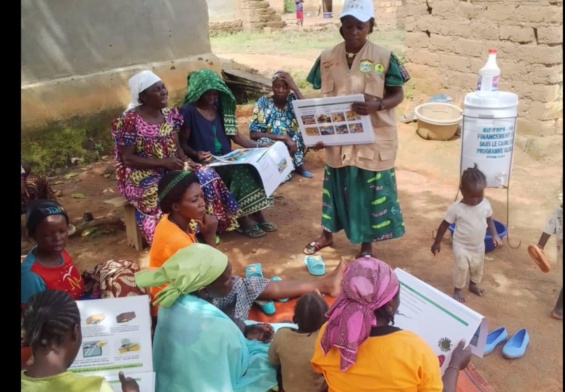
The initiative extends beyond training sessions. From July 30 to August 1, 2026, in Maroua, teams from the Ministry of Livestock, Fisheries and Animal Industries (MINEPIA) and the Zoonoses Program conducted a screening and awareness campaign against bovine tuberculosis and brucellosis. For three days, the teams worked with livestock farms to detect these two diseases and educate farmers about the risks they pose to both animals and humans. Similarly, in Bafoussam, over three days at the beginning of August 2026, community leaders, representatives of civil society, and experts received training on prevention and response mechanisms to health threats. Held under the patronage of regional authorities and the Zoonoses Program, the meeting was chaired by Thierry Kuicheu, representing the Permanent Secretary of the Program. The work focused in particular on health monitoring, good hygiene practices, animal management, information sharing, and the promotion of local knowledge. The objective is to make these stakeholders valuable partners capable of contributing to risk prevention and detection within their communities.
One week later, Yaoundé was at the heart of the discussions
From August 10 to 14, 2026, the fourth edition of the One Health Summer Institute was held at the Ubuntu Creative Hub in Yaoundé. As a partner of the event, the Zoonoses Program participated alongside experts, researchers, professionals, and students. Discussions focused on zoonoses, environmental
challenges, and ways to improve the anticipation of health threats. New technologies also played a significant role, particularly artificial intelligence and machine learning, which were presented as tools that can support the surveillance and anticipation of epidemics.
An approach that connects several sectors
These various activities are part of the « One Health » approach, which is based on collaboration between the human health, animal health, environmental health, and plant health sectors. The objective is to improve risk detection, prevent zoonoses, and coordinate responses to health threats. Training is one of the key drivers of this coordination. The national platform includes an OH E-Learning space, offering content on zoonoses, health surveillance, public health, the environment, risk communication, and intersectoral collaboration. From the field to communities, through research and training, Cameroon is thus continuing to structure its « One Health » system. The Mbankomo workshop marks a new stage with the development of tools designed to sustainably strengthen the capacities of the various stakeholders.
Through this dynamic, Cameroon intends to better prepare its actors to anticipate health threats before they become crises.
Marie Chantale FAIDA