Officially announced on September 1, 2026, this contribution from the European Union is part of a comprehensive disaster response agreement to strengthen the resilience of Cameroonian communities in the face of emergencies.
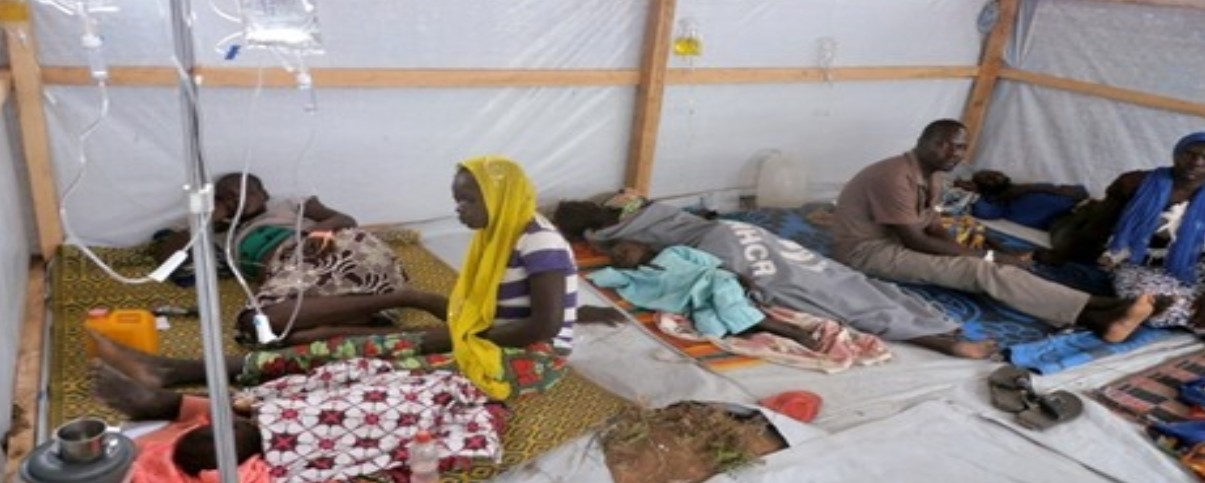
As torrential rains that have struck the city of Limbe in the Southwest region have caused devastating floods and landslides, plunging thousands of families into distress, and as the cholera epidemic continues to rage in the Far North, the European Union has decided to step up by releasing an emergency fund of 235,000 euros, or more than 154 million FCFA, to help the most vulnerable populations.
This decision, formalized on September 1, 2026, by a press release from the European Commission, demonstrates the European partner’s continued commitment to Cameroon in the face of the humanitarian and health crises that are severely impacting the country. Indeed, the recent severe weather in Limbe not only caused considerable material damage but also exposed those affected to major health risks, including diarrheal diseases such as cholera and vector-borne illnesses like malaria, in an area already affected by previous outbreaks of this waterborne disease.
It is in this worrying context that the EU intervention, entrusted to the Cameroonian Red Cross, plans to assist 12,000 people, including 500 particularly vulnerable households whose homes have been partially or totally destroyed, by providing them with multidimensional support covering health, water, sanitation, and hygiene. Furthermore, this assistance also includes cash aid, the distribution of insecticide-treated mosquito nets, water treatment tablets, and essential hygiene and dignity kits, as well as the training and deployment of community volunteers tasked with strengthening epidemiological surveillance, prevention, and awareness-raising within the affected communities.
Alongside this emergency response in Limbe, the European Union has strengthened its support for the fight against cholera in the Far North, a region regularly confronted with this epidemic due to precarious access to drinking water and sanitation infrastructure. Indeed, as early as August 2026, the EU had already allocated €100,000, or approximately 65 million CFA francs, to support health partners involved in the response, with the aim of strengthening cholera treatment units, ensuring the supply of medicines, increasing the number of oral rehydration points, and improving patient care.
These two interventions are part of a broader €16 million humanitarian delegation agreement between the European Commission and the International Federation of Red Cross and Red Crescent Societies (IFRC) to support the Emergency Disaster Response Fund, demonstrating the EU’s commitment to making a lasting contribution to building the resilience of Cameroonian populations in the face of climate hazards and health emergencies. Ultimately, this release of funds, which addresses the dual emergency of severe weather and the epidemic, illustrates
Europe’s active solidarity with Cameroon and its determination to protect human lives where the needs are greatest.