Between bustling market stalls and the demands for freshness, buying meat in the tropics requires expertise. Learn to sharpen your sight, touch, and sense of smell to ensure the safety and health of your entire family.
Shopping in the tropics is often a subtle art, a blend of the city’s colors, sounds, and smells. Yet, amidst this vibrant activity, one stall particularly captures attention: the butcher’s. Between gourmet temptation and the imperative of public health, knowing how to choose fresh, top-quality meat is not a luxury, but a vital necessity. Faced with the diversity of products offered in local markets, the discerning consumer must sharpen their eye and senses to avoid the pitfalls of junk food or improper preservation. Recognizing healthy meat doesn’t require a laboratory degree, but simply the rigorous observation of a few fundamental criteria that guarantee the safety of the whole family.
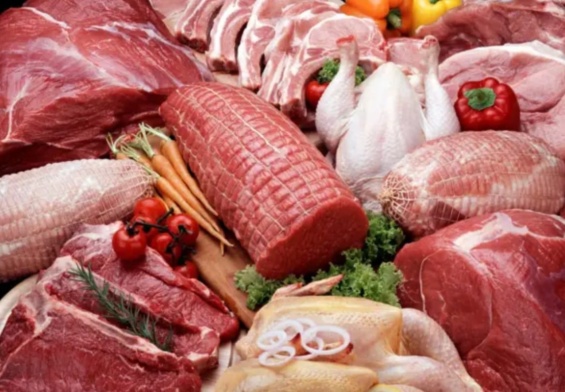
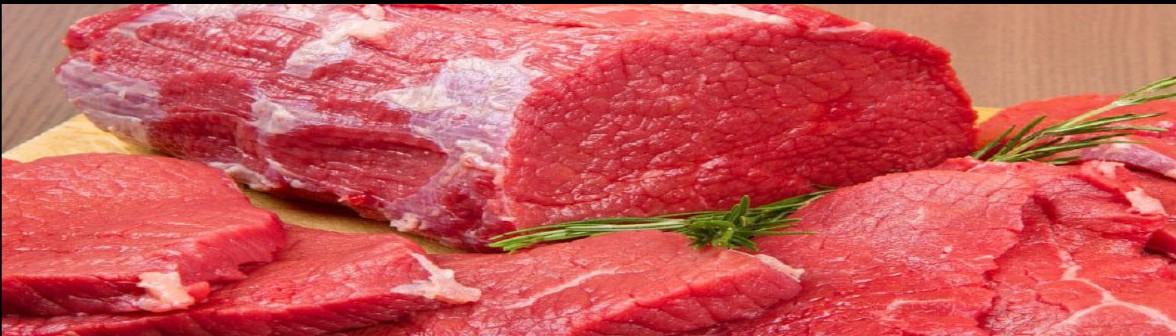
The first and most reliable indicator is the color of the meat. Whether it’s beef, pork, veal, or mutton, the eye is the first line of defense against food poisoning. Quality beef displays a bright, deep, and vibrant red, while veal boasts a delicate yet uniform pink. Pork, on the other hand, has a very pale pink hue, and lamb ranges from pink to bright red. Conversely, caution should give way to suspicion when faced with greenish tints, brownish areas, or a dull discoloration, which unequivocally indicate a product that is spoiling. The overall appearance completes this visual inspection. Good meat shines with a slightly moist but never sticky sheen, with a tight, smooth grain that testifies to the animal’s youth and good health. Fat is also an infallible indicator of freshness. It should be perfectly firm and white or cream-colored. Yellowed, greyish, or oily fat indicates aged or poorly preserved meat. Furthermore, the presence of fine marbling within the muscle remains the surest guarantee of exquisite tenderness when cooked.
Beyond what the eye observes, touch and smell ultimately authenticate the quality of the product. Fresh meat is something to be earned and should be examined carefully. Upon contact, it should offer firm and elastic resistance; the fingerprint should disappear almost instantly, leaving a plump surface. Avoid meat that is soft, spongy, or that collapses under pressure, as it already harbors advanced bacterial growth. Excessive moisture or, conversely, a completely dried-out appearance are also warning signs. Smell is then the ultimate arbiter. Healthy meat gives off an extremely discreet, neutral, almost imperceptible odor. If a strong, sour, ammoniacal, or pestilential smell assaults the nostrils, the stall should be left without hesitation. This nauseating odor is the immediate symptom of a decomposition that is already well underway and that even the best spices cannot mask.
The meat must be kept away from dust and the swarms of flies that infest markets, ideally in a
cool place or on spotless surfaces. Particular attention should be paid to any juices that collect around the product. A large amount of thick, dark blood pooling at the bottom of the tray indicates that the meat is suffering, losing its nutrients, and spoiling rapidly.