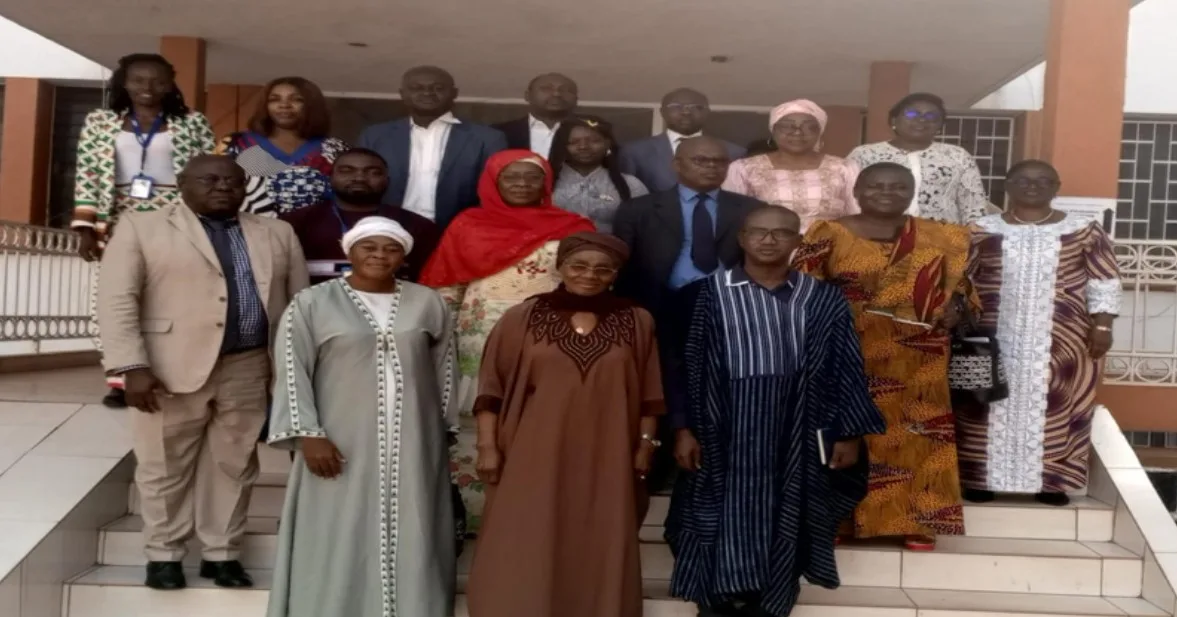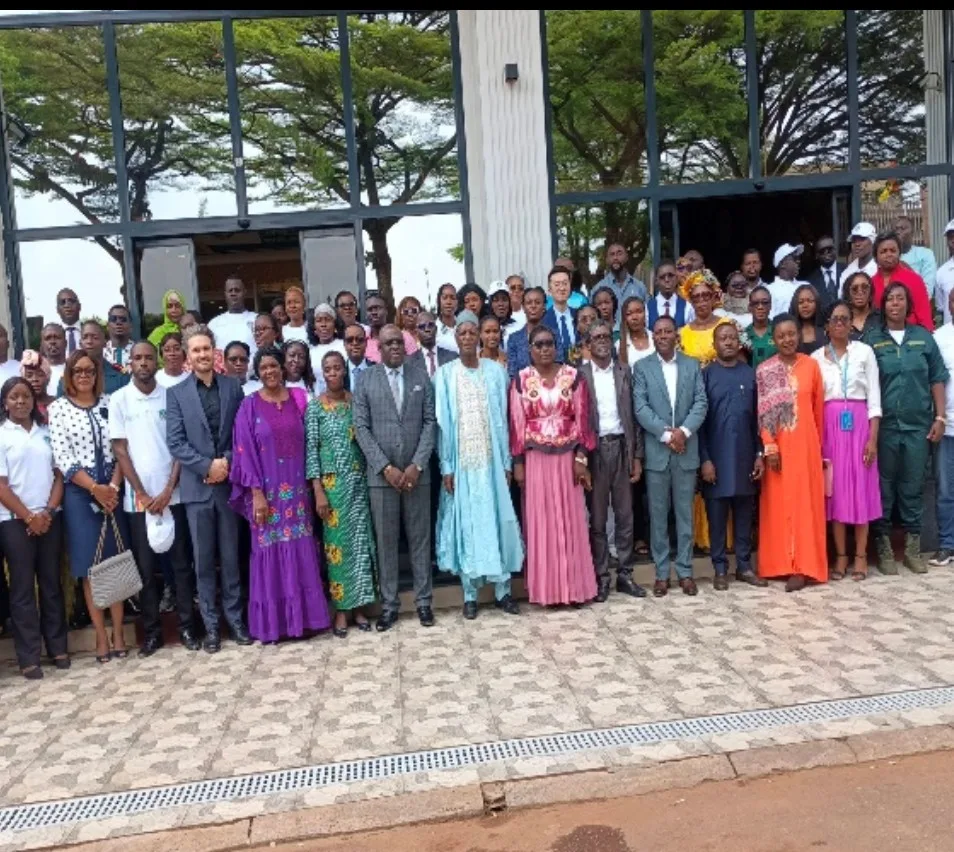

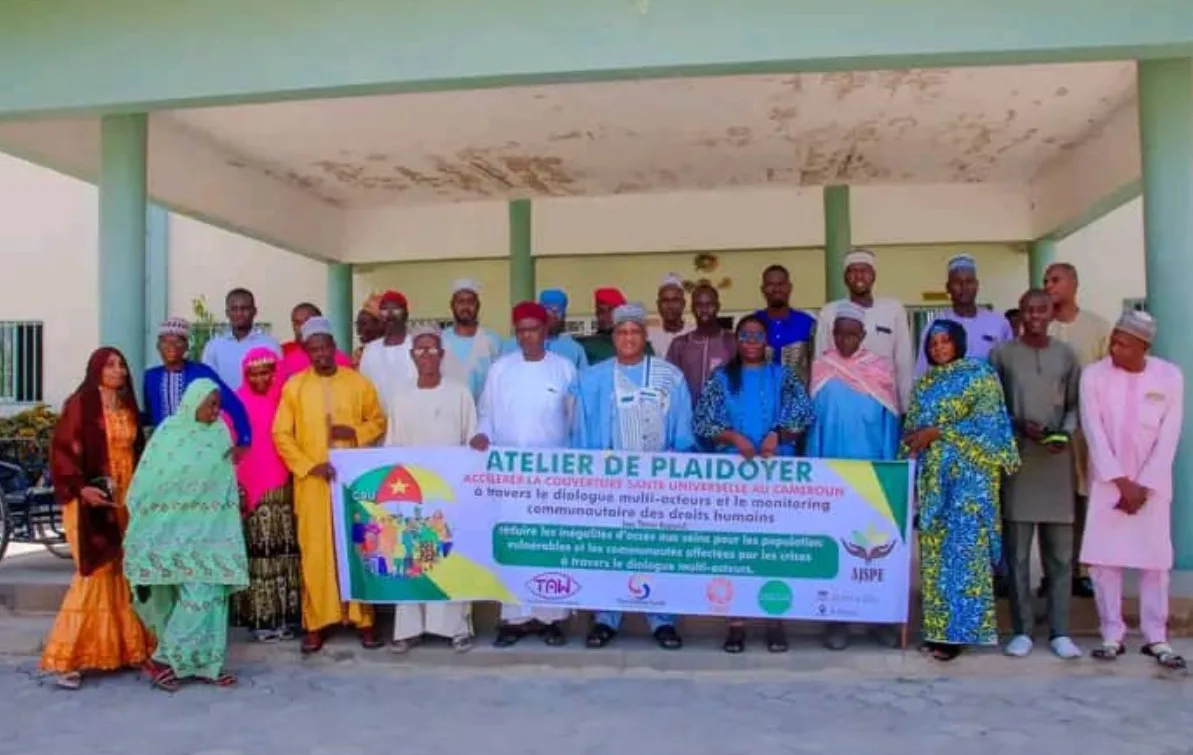
Gathered on October 26, 2026, in the town hall of the Maroua 1st municipality, local elected officials, healthcare professionals, and civil society organizations examined the challenges in accessing healthcare during a advocacy workshop on Universal Health Coverage (UHC). Findings from the community observatory highlighted issues such as the lack of transparency regarding medical fees and drug availability.
Access to medical care continues to be fraught with difficulties that weigh heavily on patients and their families in the Far North Region. In Maroua, these concerns were central to an advocacy workshop on Universal Health Coverage (UHC), held on October 26, 2026, in the hall of the Maroua 1st municipality. Joined by Mayor Hamadou Hamidou, local leaders, healthcare workers, and representatives of civil society organizations—notably AJSPE and Positive Generation—reviewed the issues raised by the community observatory.
Feedback collected from patients reveals several operational deficiencies within healthcare facilities. A shortage of staff, often reported as lacking motivation, is among the primary hurdles. This situation leads to longer wait times and complicates patient reception, particularly for those with limited financial means or traveling from remote areas.
Another issue highlighted during discussions was the lack of systematically displayed price lists. For patients, clear pricing is essential to understand service costs, plan expenses, and challenge any billing deemed unjustified. Without accessible information, patients remain vulnerable to arbitrary practices by hospital departments or staff.
Participants also noted frequent medicine stockouts, particularly antimalarial treatments intended for pregnant women and children—vulnerable groups particularly exposed to malaria complications requiring tailored care. When expected medications are unavailable in health facilities, families are forced to seek alternatives elsewhere, incurring extra costs and running the risk of using uncertified channels.
The illicit sale of drugs was also raised as a major concern. Combined with a lack of transparency and insufficient oversight, it erodes trust between patients and health services. Participants noted that these loopholes foster corrupt practices and drive the most vulnerable populations away from essential care. These findings underscore the urgent need for better traceability of medical services, drug supplies, and payments.
To address these challenges, stakeholders gathered in Maroua identified several corrective measures. Prominently displaying price lists in health facilities will enable patients to know the costs of treatments and products in advance. Strengthening oversight was also recommended to prevent irregular practices and enforce existing regulations. Furthermore, participants called for equipping health centers with sampling kits necessary for routine diagnostic testing.
Beyond these solutions, discussions stressed the importance of giving greater weight to community feedback. Ground observations help decision-makers identify recurring issues and monitor implemented measures. However, their effectiveness hinges on the ability of relevant institutions to investigate alerts, respond appropriately, and report back on actions taken.
The resolutions adopted during the workshop will be submitted to the Ministry of Public Health. This approach aims to convey user concerns directly to competent authorities and encourage concrete solutions. For stakeholders in the Far North, Universal Health Coverage cannot remain a mere administrative framework; it must translate into accessible healthcare, available medications, transparent pricing, and care delivered with dignity.
The challenge now is to turn these recommendations into tangible improvements across health facilities. Price transparency, continuous supply of essential medicines, strict oversight, and active listening to patients are all vital conditions for rebuilding trust in the healthcare system and making access to care a reality for everyone.