
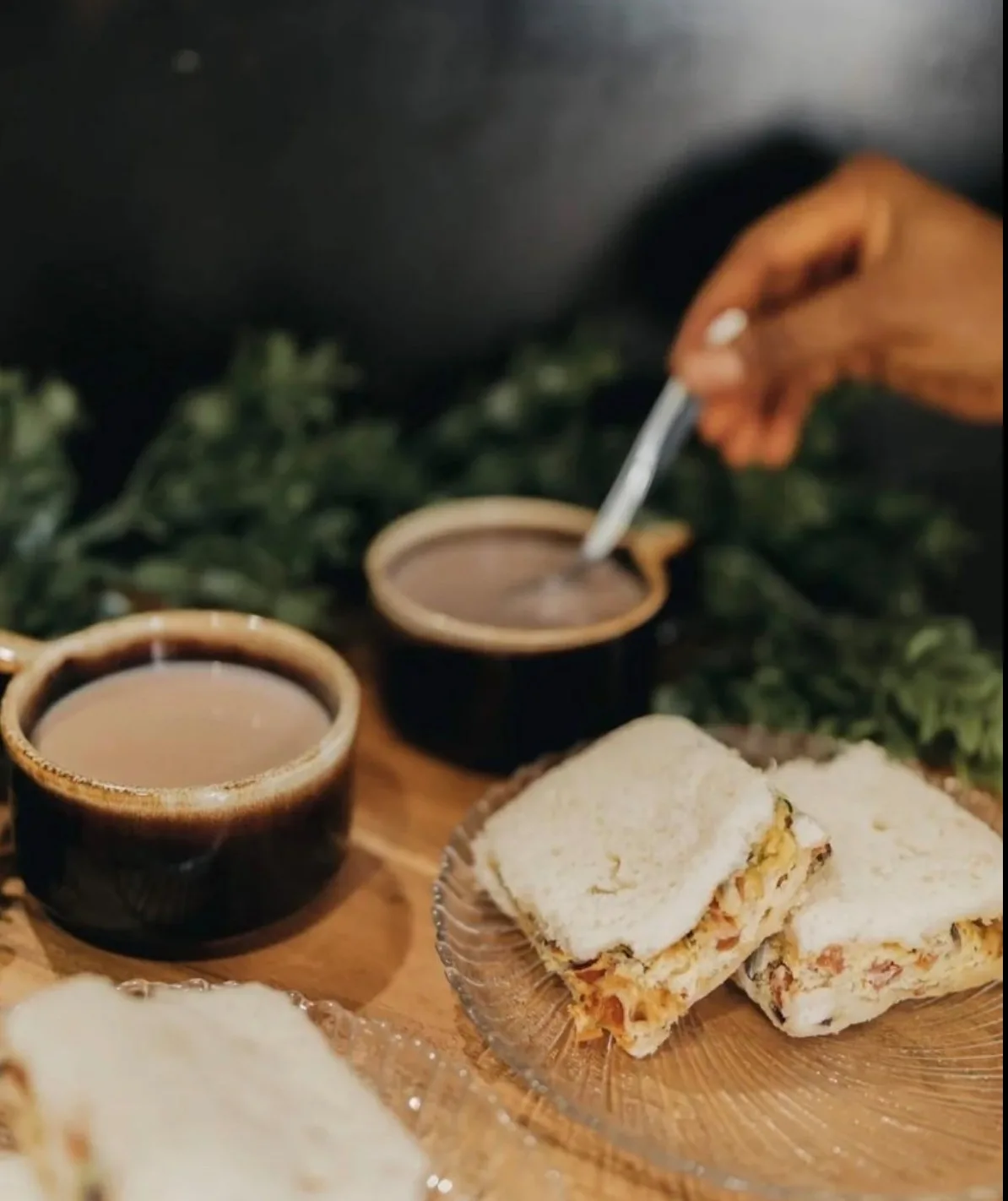
A cup of tea after lunch or dinner may seem like the perfect way to end a meal. Yet, when this habit is repeated every day, it can interfere with the body’s ability to absorb some of the iron supplied by food. The concern is greater for people whose iron intake is already low or whose nutritional needs are higher.
Why timing matters
Iron helps the body produce haemoglobin, the protein in red blood cells that carries oxygen to tissues. When iron stores become too low, iron-deficiency anaemia can develop, causing tiredness, weakness, dizziness, headaches and shortness of breath.
Food provides two main forms of iron. Heme iron, found in meat, poultry and fish, is
generally absorbed more easily. Non-heme iron is present in plant foods such as beans, lentils, peas, leafy vegetables and fortified cereals. It is also the form most affected by tea.
Tea contains polyphenols, including tannins, which can bind to non-heme iron in the digestive tract and make it harder for the body to absorb. Drinking tea with a meal or immediately afterwards can therefore reduce the amount of iron obtained from foods such as beans, lentils and leafy greens.
Tea does not automatically cause anaemia. However, the habit deserves attention when iron intake is insufficient or deficiency risk is already high.
White should pay attention ?
People who eat little or no meat, women with heavy menstrual bleeding, growing children and adolescents, and people already diagnosed with iron deficiency should be especially mindful. Regularly reducing iron absorption may make it harder for these groups to maintain adequate iron stores.
Simple habits that help
There is no need to give up tea. Avoid drinking it during meals and wait at least one hour before having a cup. A gap of one to two hours is a useful target, particularly for people at risk of iron deficiency.
The composition of the meal also matters. Vitamin C helps the body absorb non-heme iron. Pair beans, lentils or leafy vegetables with oranges, guavas, tomatoes, peppers or other vitamin C-rich fruits and vegetables. Meat, poultry or fish eaten as part of a meal can also improve the absorption of iron from plant foods.
Other useful sources of iron include beef, fish, eggs, dark green vegetables, beans, peas, lentils, seeds and iron-fortified foods. A varied diet is more helpful than relying on one food alone.
When to seek medical help
Persistent fatigue should not automatically be attributed to iron deficiency. Dizziness, breathlessness, pale skin or unusual weakness can have several causes. A health professional can recommend blood tests, including a full blood count and ferritin measurement, to assess iron status and investigate the cause.
People diagnosed with iron deficiency should follow the treatment prescribed by a health professional. Tea and coffee can also interfere with iron supplements, so they should not be taken together. A doctor or pharmacist can advise on the appropriate interval.
The message is simple: enjoy tea, but give iron-rich meals time to do their work. Moving that cup away from mealtime is a small adjustment that can help the body make better use of the iron in food.