
On a working visit to the Fako division, the Cameroon Red Cross traveled to Limbe to assess the situation of populations affected by floods.
In the localities of Mbende, Gardens, Down Beach, Church Street, and Mile 1, the consequences of the floods continue to weigh on the living conditions of the population. Damaged or destroyed homes, swept-away belongings, disrupted economic activities, and difficulties in accessing drinking water are some of the realities facing Limbe disaster victims since the severe weather in August 2026.
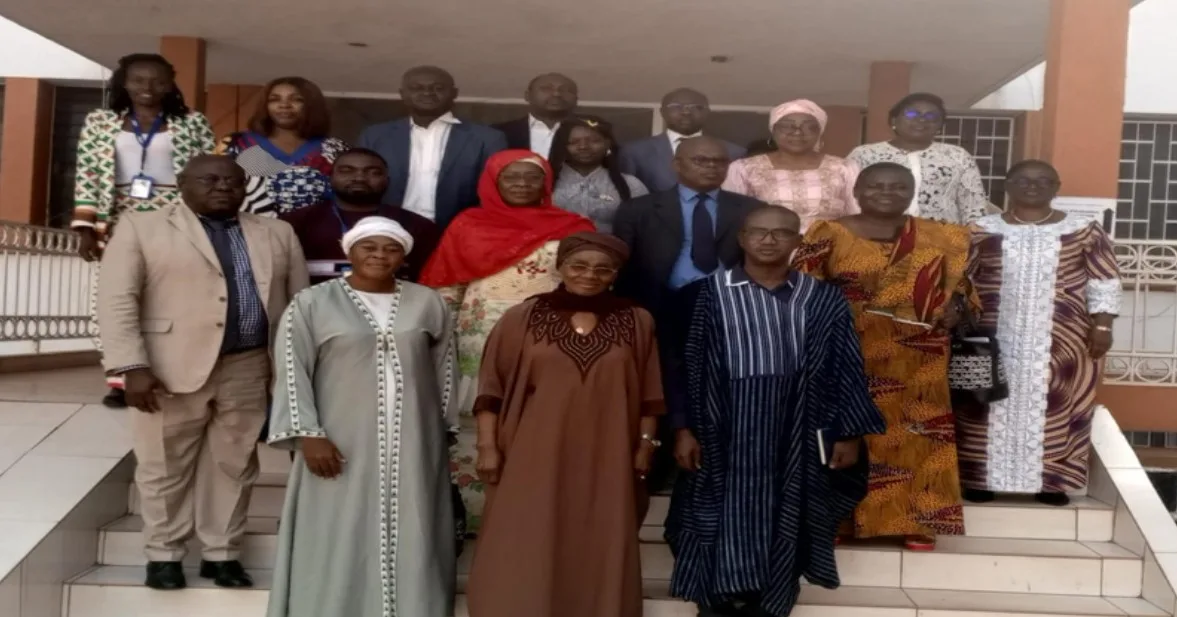
It is by experiencing these realities on the ground that Cécile Akame Mfoumou, National President of the Cameroon Red Cross, intends to gauge the scale of humanitarian needs in Limbe. She has been on a working visit to the city since November 2, 2026. She was received by Bernard Okalia Bilai, Governor of the region, and the Senior Divisional Officer (SSO/Prefect) for Fako. Discussions focused on the situation of disaster victims, the challenges encountered by communities, and the interventions undertaken by the organization under the DREF 2026 operation. At the heart of the talks was the necessity to strengthen coordination between humanitarian teams and administrative authorities to better respond to the needs of the population. The mobilization of Red Cross volunteers, present in communities to provide assistance, raise awareness of risks, and gather residents’ concerns, was also highlighted.
A humanitarian response already underway
This field descent comes after several weeks of interventions by the Cameroon Red Cross to assist disaster-stricken populations. Following the heavy rains and landslides in August 2026, which affected nearly 12,000 people, the organization launched an emergency operation with the technical support of the International Federation of Red Cross and Red Crescent Societies and funding from the European Union. Among the initial actions, a distribution campaign was launched on October 6, 2026. It provides financial assistance to 525 households, alongside the provision of 500 hygiene kits and 1,484 dignity kits. These supports are designed to help families
meet their essential needs and improve their hygiene conditions.
Ahead of this, the organization worked to involve communities in the assistance process. On September 22, 30 community leaders—including neighborhood chiefs, religious leaders, and representatives of women’s and youth associations—were sensitized on beneficiary selection criteria, landslide risks, and diseases such as cholera and malaria. Community committees were also established to participate in identifying targeted households and managing complaints and suggestions. Preparing field teams was another major focus of this response. Twenty-two volunteers and three supervisors from the Fako departmental committee underwent a five-day training on digital beneficiary registration, data verification, and distribution monitoring. The objective is to guarantee transparent, secure, and tailored assistance for affected individuals.
Intervention monitoring and local coordination
Beyond distributions, the visit of the President of the Cameroon Red Cross provides an opportunity to review the implementation of this emergency operation and the work of the teams deployed in affected neighborhoods. It also takes place in a context where coordination with local authorities remains essential to facilitate access to communities, identify persistent needs, and guide interventions. The Cameroon Red Cross thus intends to continue its support for affected populations, relying on its volunteers and the community mechanisms established.
Collaboration with administrative authorities constitutes a key lever to ensure the monitoring of actions and strengthen the humanitarian response in the Fako division.
Marie Chantale FAIDA