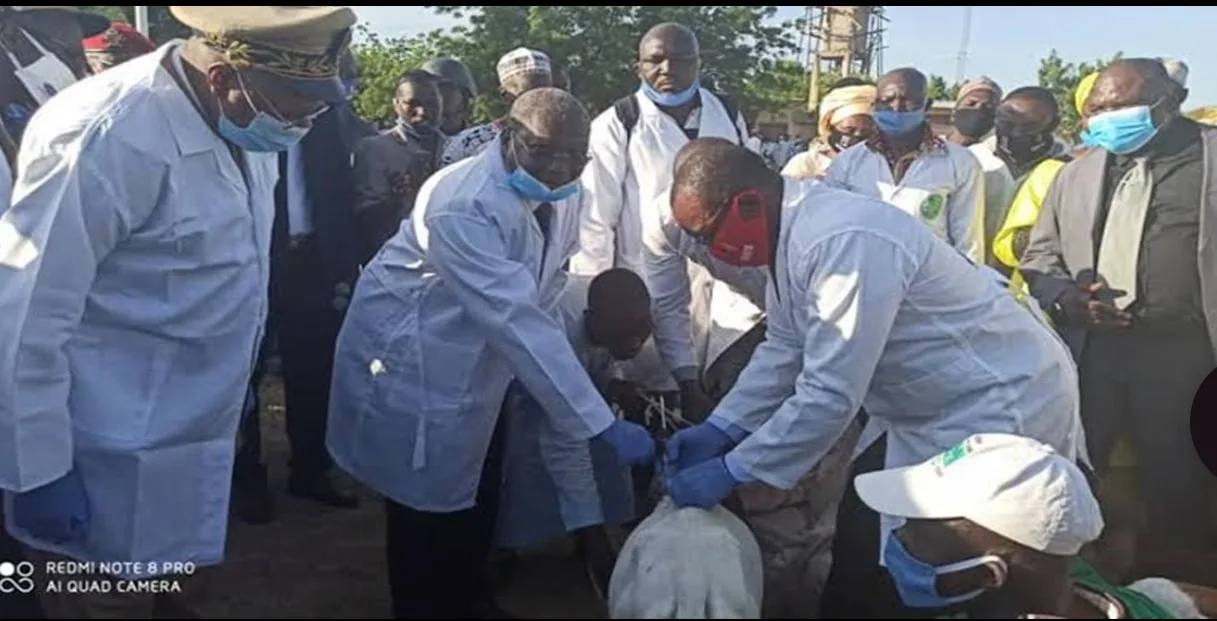

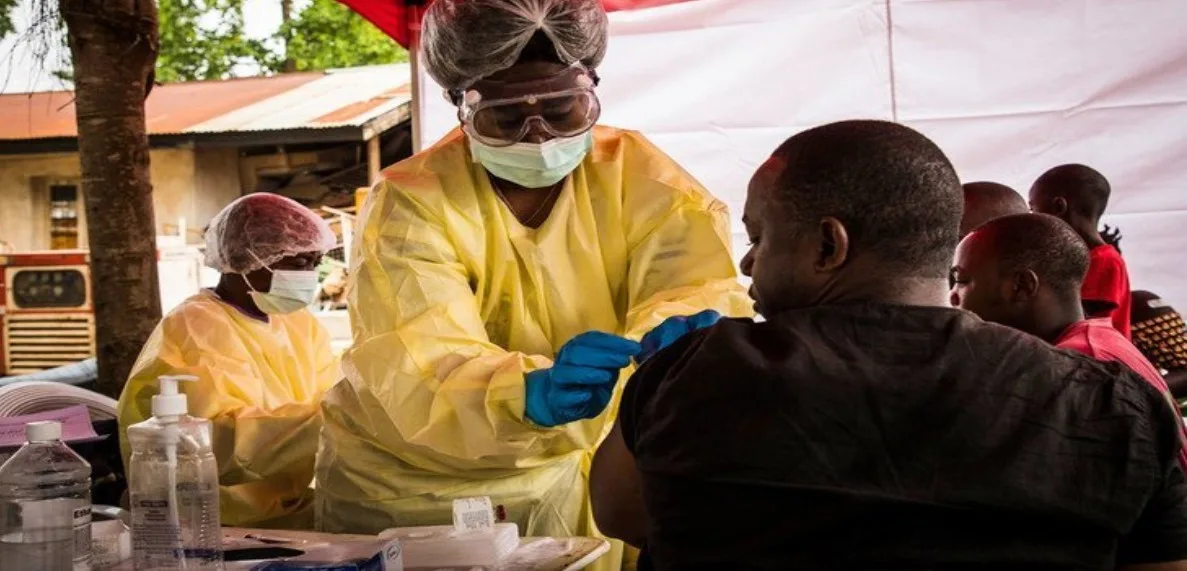
Facing the acceleration of human pressures on ecosystems, the « One Health » concept emerges as the sole global response capable of preventing tomorrow’s worldwide health crises.
Amid the rise of global health crises, an urgent reality has become clear: human health is inextricably linked to animal health and environmental preservation. Today, nearly 60% to 70% of emerging human infectious diseases originate in the animal world. Whether viruses, bacteria, or parasites, pathogens are crossing the species barrier at an alarming rate, serving as a stark reminder that ecological disruption bears the seeds of future epidemics. To effectively address this global challenge, the integrated « One Health » approach has become the fundamental strategic framework.
The transmission mechanisms of zoonoses rely on complex interactions within living ecosystems. Wildlife and domestic animals serve as primary reservoirs for these pathogens, with bats, rodents, primates, and livestock among the most common vectors. Human contamination generally occurs through direct contact with bodily fluids, bites, vector bites such as mosquitoes, or the consumption of contaminated animal products. However, the resurgence and acceleration of these risks are no coincidence. Expanding human activities—manifested by rampant deforestation, unchecked urbanization, intensive livestock farming, and climate change—shrink wildlife habitats and multiply high-risk contact points between humans and animals.
In light of this reality, effective zoonosis prevention requires the deployment of concrete and coordinated measures. First and foremost, active surveillance of animal populations and wildlife forms the primary line of defense. Spearheaded by leading bodies such as the World Health Organization (WHO) and the French Agency for Food, Environmental and Occupational Health & Safety (Anses), the early detection of new variants and pathogens is vital to preventing the spread of epidemics comparable to Ebola or SARS-CoV-2.
Concurrently, raising public awareness about limiting high-risk contact remains essential: approaching or handling wild, sick, or dead animals must be strictly avoided. On a daily basis and within farming operations, strict adherence to basic hygiene rules—chief among them regular handwashing—strengthening biosecurity in livestock farming, and rigorous control of the food supply chain (particularly by avoiding uninspected meat or raw milk) represent essential health barriers. Finally, the sustainable protection of ecosystems and targeted research into the socio-economic drivers of epidemic emergence complete this global strategy, sealing the necessary alliance between public health, veterinary medicine, and ecology.