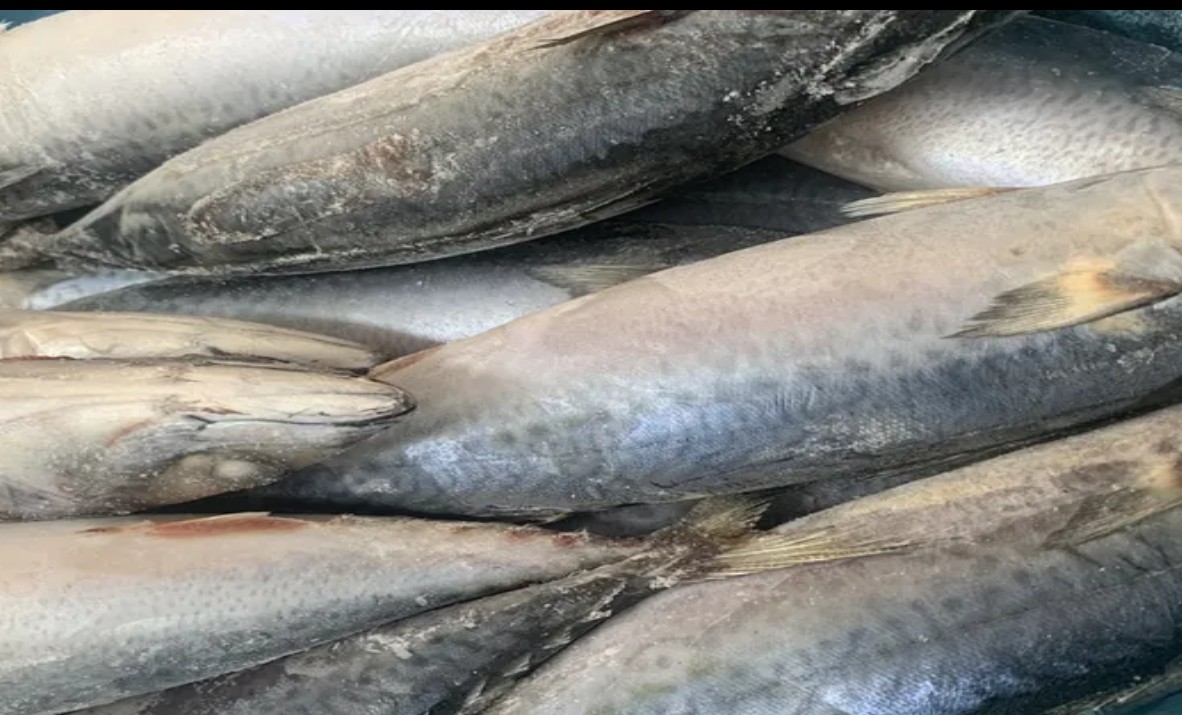
Behind the gustatory pleasure of seafood lies a constant trade-off for consumers between fresh fish from landing sites and the frozen offerings of supermarkets.
Let’s lift the lid of a steaming dish and be guided by the enticing aromas of the sea. But behind this gustatory pleasure lies a recurring question on the market stalls of Yaoundé and in the aisles of supermarkets: should we choose fresh fish, with its glistening flesh and bright eyes, or opt for frozen portions that promise year-round availability? For a long time, consumers believed that frozen fish was a denatured product, devoid of its nutritional qualities. Yet, the scientific data is clear: fresh and frozen fish have virtually identical nutritional values. The essential proteins, precious omega-3 fatty acids, minerals, and vitamins are preserved by the rapid freezing techniques used on board fishing vessels. Therefore, the true criterion for choice lies not in the physical condition of the fish, but in the integrity of the cold chain and the discerning eye of the buyer.Fresh fish, when it truly lives up to the name, is an exceptional delicacy to be consumed within 24 to 48 hours of being caught. Its firm, glistening flesh and subtle aroma of seaweed and iodine are testaments to its unparalleled flavor. Nutritionally, it is a remarkable source of high-quality protein, vitamin D, iodine, and essential fatty acids that contribute to healthy cardiovascular and brain function. However, this excellence is fleeting. Once removed from the refrigerator, fresh fish deteriorates at an alarming rate. Bacteria multiply, and parasites, naturally present in the flesh of some wild fish, pose a very real health risk if the product has not undergone a heat shock treatment. This is where freezing becomes essential. Deep-freezing, by plunging the fish into temperatures below -18°C a few hours after capture, instantly preserves its organoleptic qualities and destroys any parasites, making the product perfectly safe, even for raw consumption, as in the case of sushi. Those concerned about nutrient loss can rest assured. Studies conducted by organizations such as the Quebec Food Observatory and the Government of Quebec confirm that vitamin, mineral, and fatty acid content remains stable for extended periods. Furthermore, the World Health Organization recommends consuming fish at least twice a week, without distinguishing between the two forms, as long as the product is neither breaded nor fried. Caution is especially important regarding origin: frozen fish from a certified fishing vessel, adhering to traceability standards, will be far superior to fresh fish of dubious origin or stored under substandard conditions. Informed consumers will also avoid systematically choosing large predatory fish like tuna or shark, which accumulate more pollutants such as mercury, and will instead opt for a variety of species to combine enjoyment and safety. In the kitchen, gentle cooking methods are key: poaching, baking, or grilling preserve nutritional qualities far better than harsh frying. Whether you choose the vibrancy of freshness or the convenience of frozen food, your plate will remain an ally of your health, provided you maintain an informed perspective.