Cameroon’s Fourth General Population and Housing Census (RGPH-4), conducted alongside the General Agriculture and Livestock Census (RGAE), will officially end on July 31. As the deadline approaches, the government has ordered sub-prefects to take direct control of field operations in a bid to close coverage gaps and ensure the country gathers reliable data for future development planning.
As Cameroon enters the final stretch of its Fourth General Population and Housing Census (RGPH-4), conducted alongside the General Agriculture and Livestock Census (RGAE), the government is intensifying efforts to ensure every household is counted before the July 31 deadline.
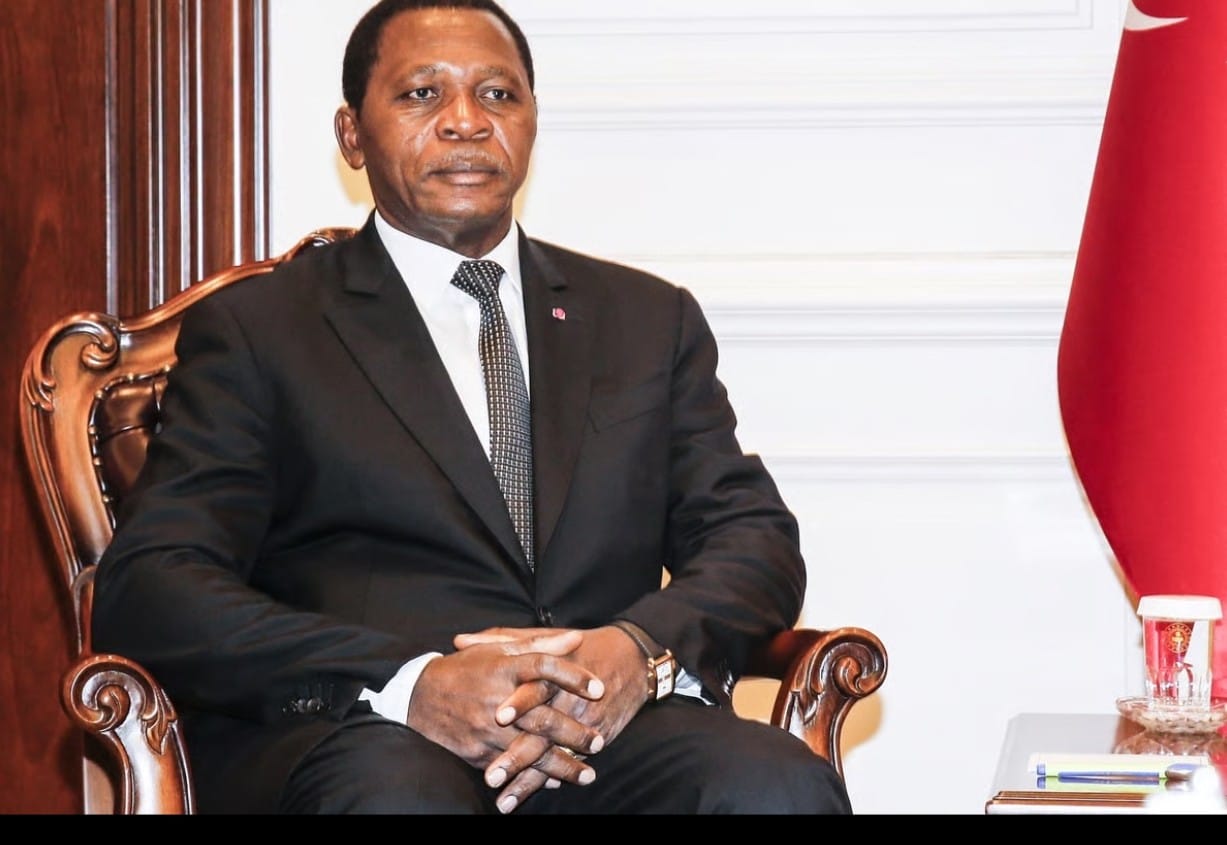
In an urgent official message signed on July 17, Minister of Territorial Administration Paul Atanga Nji instructed all sub-prefects to assume direct responsibility for census activities within their administrative districts. The directive comes after authorities reported unsatisfactory performance in several localities, raising concerns that some communities could be left out of one of the country’s most important statistical exercises.
Under the new instructions, sub-prefects are expected to maintain a daily presence alongside census teams, coordinate local operations and submit daily progress reports to the central administration. They have also been tasked with mobilizing traditional rulers, religious leaders, elected officials, political actors and other community stakeholders to encourage public participation.
The decision highlights the strategic role of local administrative authorities in overcoming obstacles that have slowed the operation in some areas. Difficult
terrain, logistical constraints, misinformation and limited public awareness have all affected the pace of data collection, making stronger coordination at the grassroots level essential during the final days of the exercise.
Beyond improving operational efficiency, the government’s latest move underscores the importance of producing complete and accurate national statistics. The RGPH-4 and RGAE will provide updated information on population size, housing conditions, agricultural production and livestock activities across the country. These data are expected to guide public investment, infrastructure planning, social services and agricultural policies for years to come.
Accurate census results are also essential for identifying communities’ needs in education, healthcare, water supply, transportation and other public services. They enable policymakers to allocate resources more effectively and design development programs based on reliable demographic and socio-economic evidence.
Authorities are therefore calling on citizens to cooperate fully with census workers by welcoming them into their homes and providing truthful information. Officials stress that the exercise is confidential and serves only statistical purposes.
With only days remaining before the national operation closes, the government is placing administrative leadership at the center of its final strategy. By assigning sub-prefects a more active supervisory role, authorities hope to accelerate field activities, reach households that may have been missed and strengthen the credibility of the country’s largest data collection exercise.
The success of this final push will not only determine the completeness of the 2026 census but also shape the quality of the information that will underpin Cameroon’s public policies and long-term development planning in the years ahead.