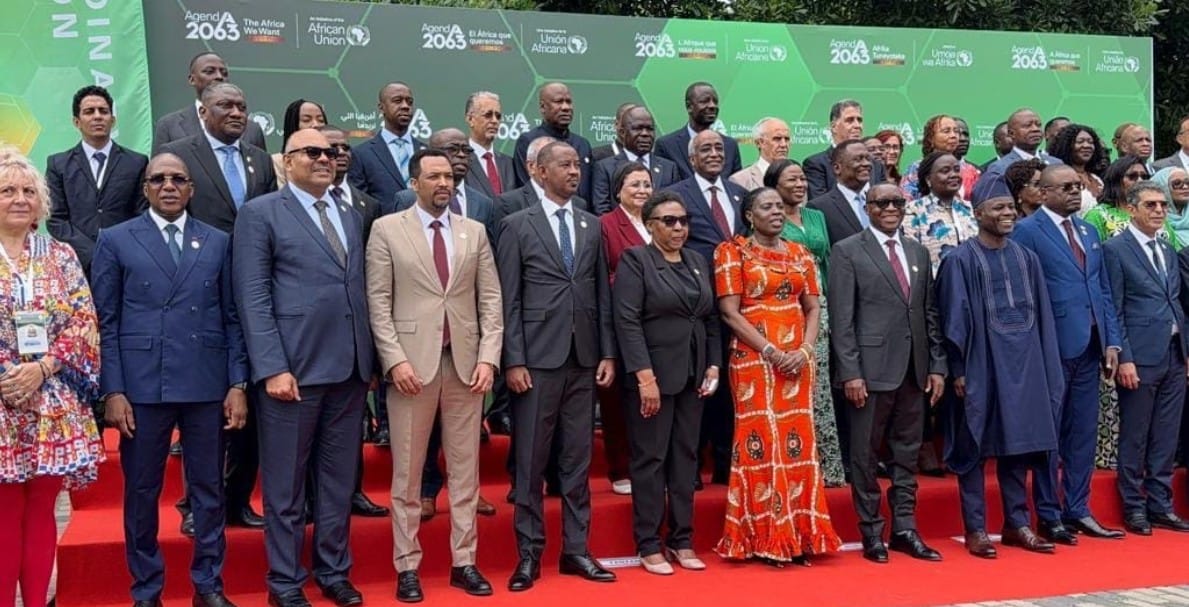
Representing President Paul Biya at the AU Extraordinary Summit in Accra on July 21 2026, the Minister of Public Health Dr Manaouda Malachie reaffirmed Cameroon’s commitment to Africa’s health sovereignty.
Cameroon showcased its progress in pandemic preparedness through stronger disease surveillance, laboratory systems, emergency response and primary health care.
Urging greater political commitment and domestic health financing, the Cameroonian delegation called for stronger, self-reliant health systems across Africa.
Cameroon has reaffirmed its commitment to strengthening Africa’s health security, with Minister of Public Health Dr Malachie Manaouda representing President Paul Biya at the Extraordinary Session of the African Union Conference of Heads of State and Government in Accra.
The high-level summit has brought together African leaders to accelerate progress towards ending HIV/AIDS by 2030, reducing preventable maternal deaths, tackling communicable and non-communicable diseases, and reinforcing health systems across the continent. These priorities reflect the African Union’s ambition to make health a key driver of sustainable development.
From the opening ceremony through the first plenary discussions, Cameroon delivered a consistent message: health should be viewed not as an expense, but as a
strategic and long-term investment capable of transforming lives and economies.
Cameroon’s experience highlighted
Speaking during a session dedicated to health security, pandemic prevention, preparedness and response, Dr Manaouda presented Cameroon’s experience in institutionalizing public health capacities beyond emergency situations.
He argued that epidemiological surveillance, laboratory networks, emergency operations centers, specialized health professionals and community engagement mechanisms should become permanent pillars of national health systems rather than temporary structures activated only during crises.
The minister highlighted several initiatives undertaken by Cameroon to strengthen resilience, including continuous training programs in field epidemiology, emergency health management and laboratory capacity building. He also pointed to the ongoing assessment of primary health care services to improve preparedness for future public health emergencies.
According to the Cameroonian delegation, these efforts demonstrate the country’s determination to build a resilient health system capable of responding effectively to both routine and emerging health threats.
Political leadership at the heart of preparedness
Addressing the broader issue of Africa’s health sovereignty, Dr Manaouda stressed that effective preparedness begins with strong political commitment.
He recalled Cameroon’s response to the COVID-19 pandemic, during which a Presidential Task Force coordinated the national response and strengthened collaboration across sectors. The minister also underlined the government’s efforts to increase domestic financing for essential health programs, particularly those targeting HIV and malaria.
His intervention echoed growing calls across the continent for African countries to reduce dependence on external funding by investing more in resilient national health systems, local expertise and sustainable financing mechanisms.
As discussions continue in Accra, Cameroon’s participation underscores its intention to actively contribute to shaping Africa’s future health agenda. With pandemics, infectious diseases and growing non-communicable health challenges continuing to test health systems, delegates at the summit are seeking practical commitments that will translate political declarations into measurable improvements for millions of Africans.
For Cameroon, the message delivered in Accra is clear: achieving health sovereignty will require sustained investment, stronger institutions and unwavering political leadership to protect populations and secure the continent’s future.