
The World Health Organisation reports persistent virus transmission across West and Central Africa, with uneven vaccination coverage and cross-border movements raising concerns about further spread.
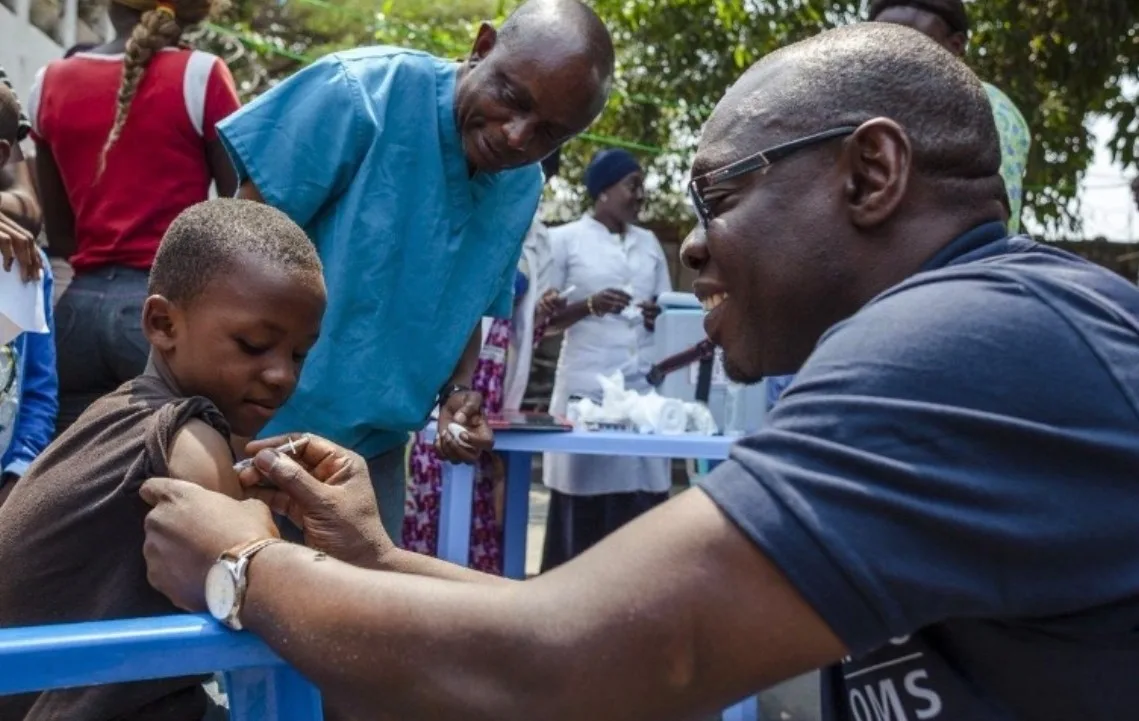
A healthcare worker administers a yellow fever vaccine during an immunisation campaign in Africa. Vaccination remains the most effective way to prevent the disease and limit its spread.
Persistent transmission
Nine African countries have recorded 67 confirmed yellow fever cases, including 18 deaths, between January 1 and October 12, 2026, according to a situation report published by the World Health Organisation (WHO) on November 6. The affected countries are Burkina Faso, Cameroon, the Central African Republic, Ivory Coast, Ghana, Guinea, Liberia, Nigeria and Togo.
Ivory Coast accounts for the highest number of infections, with 30 confirmed cases and 10 deaths. Burkina Faso follows with 15 cases and three deaths. Cameroon has reported nine cases and one death, while Ghana and Nigeria have each recorded four infections, with three and one deaths respectively. The Central African Republic reported two cases, while Guinea, Liberia and Togo recorded one case each.
Recent outbreak activity has been concentrated mainly in Burkina Faso, Ivory Coast, Ghana and Liberia, including communities located close to international borders. Although epidemiological links between the different outbreaks have not been established, the geographical distribution of cases raises concerns about further transmission across the region.
Factors driving transmission
The WHO identifies several factors contributing to the persistence of yellow fever transmission. These include uneven vaccination coverage, frequent cross-border population movements and environmental conditions favourable to mosquito breeding.
Occupational exposure also plays an important role. People working in or around forests, mining sites and other outdoor environments face increased risks of infection through contact with infected mosquitoes. Movement linked to trade, agriculture, livestock and mining activities could further facilitate the spread of the virus between affected and neighbouring countries.
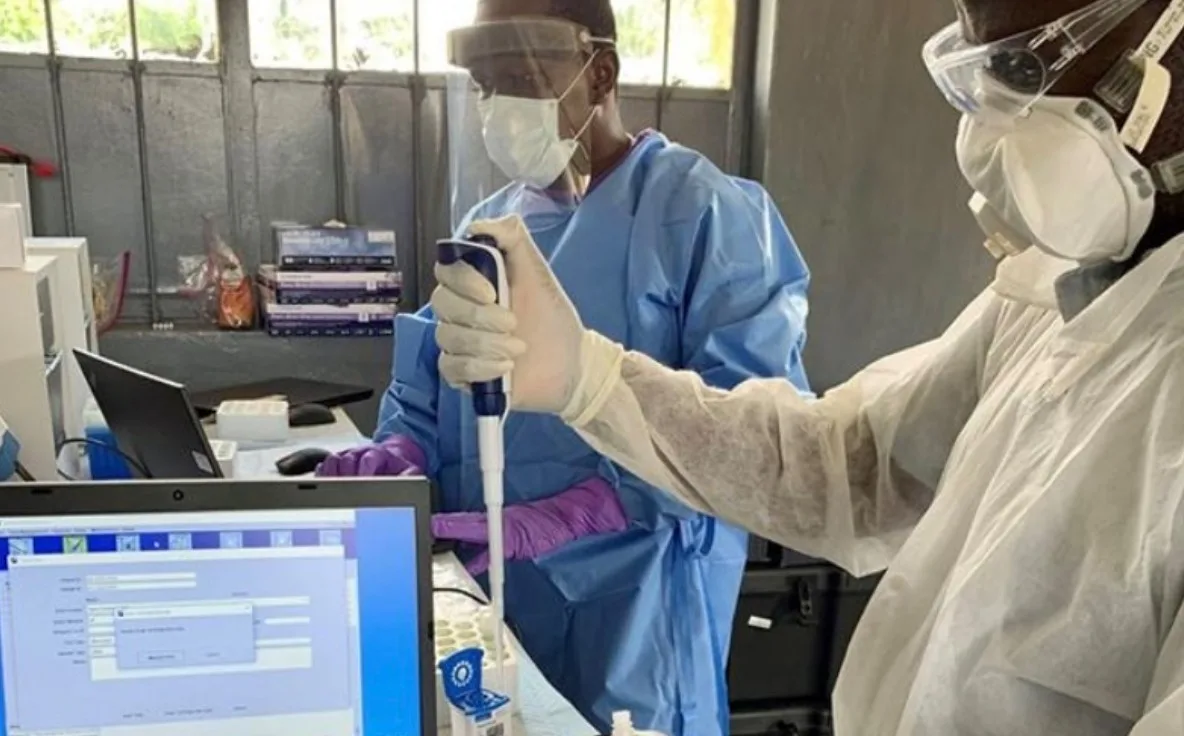
The organisation also points to weaknesses in epidemiological surveillance, delays in laboratory confirmation, limited resources and difficulties accessing certain communities. These constraints can slow down the detection of infections and the implementation of control measures.
On October 27, the WHO assessed the public health risk associated with the situation as moderate across its African Region, while maintaining that the global risk remained low. Further transmission and additional cases are considered likely, particularly in populations with insufficient immunity.
A potentially severe disease
Yellow fever is an acute viral disease transmitted through the bite of infected mosquitoes. Its incubation period generally ranges from three to six days. Initial symptoms include fever, headache, muscle pain, nausea, vomiting and general weakness.
Although many infected people recover, approximately 15% develop severe illness. This phase can involve recurrent fever, jaundice, bleeding, shock and organ failure. According to the WHO, approximately half of patients who reach this severe stage die within seven to 10 days.
There is no specific antiviral treatment routinely recommended for the disease. Medical management focuses mainly on supportive care, making prevention particularly important.
Vaccination remains essential
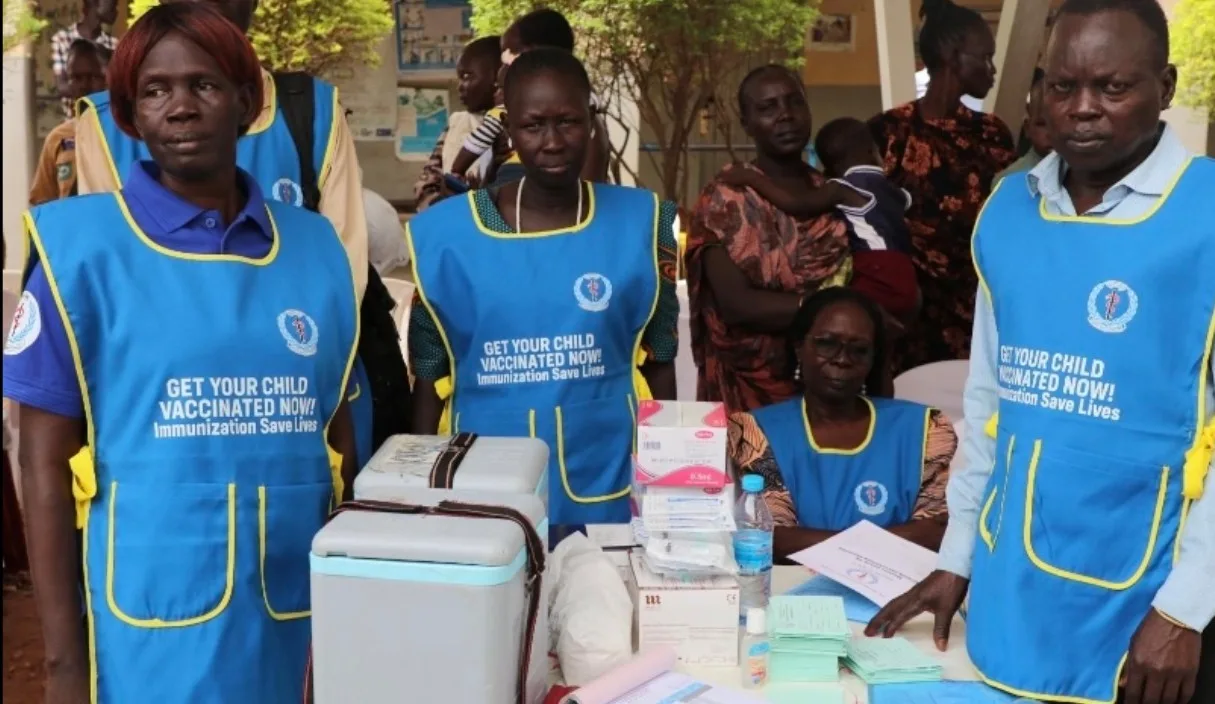
Vaccination remains the most effective means of preventing yellow fever. A single dose provides lifelong protection, according to the WHO. However, immunity gaps continue to expose unvaccinated populations, particularly rural communities, people living near forested areas and mobile populations.
Affected countries, with support from the WHO and other partners, are strengthening epidemiological surveillance, laboratory testing, active case detection and community awareness. Vaccination activities are also being implemented or planned in affected and high-risk areas.
The organisation further calls for stronger cross-border coordination, mosquito surveillance and control, as well as timely information sharing between neighbouring countries. Maintaining high vaccination coverage through routine immunisation and targeted
campaigns remains central to preventing further outbreaks.