Four REMAPSEN Madagascar journalists have each been awarded a FAPBM grant worth 4 million Ariary. Their investigations focused on sustainable tourism, improved rice farming, community co-management, and seaweed farming.
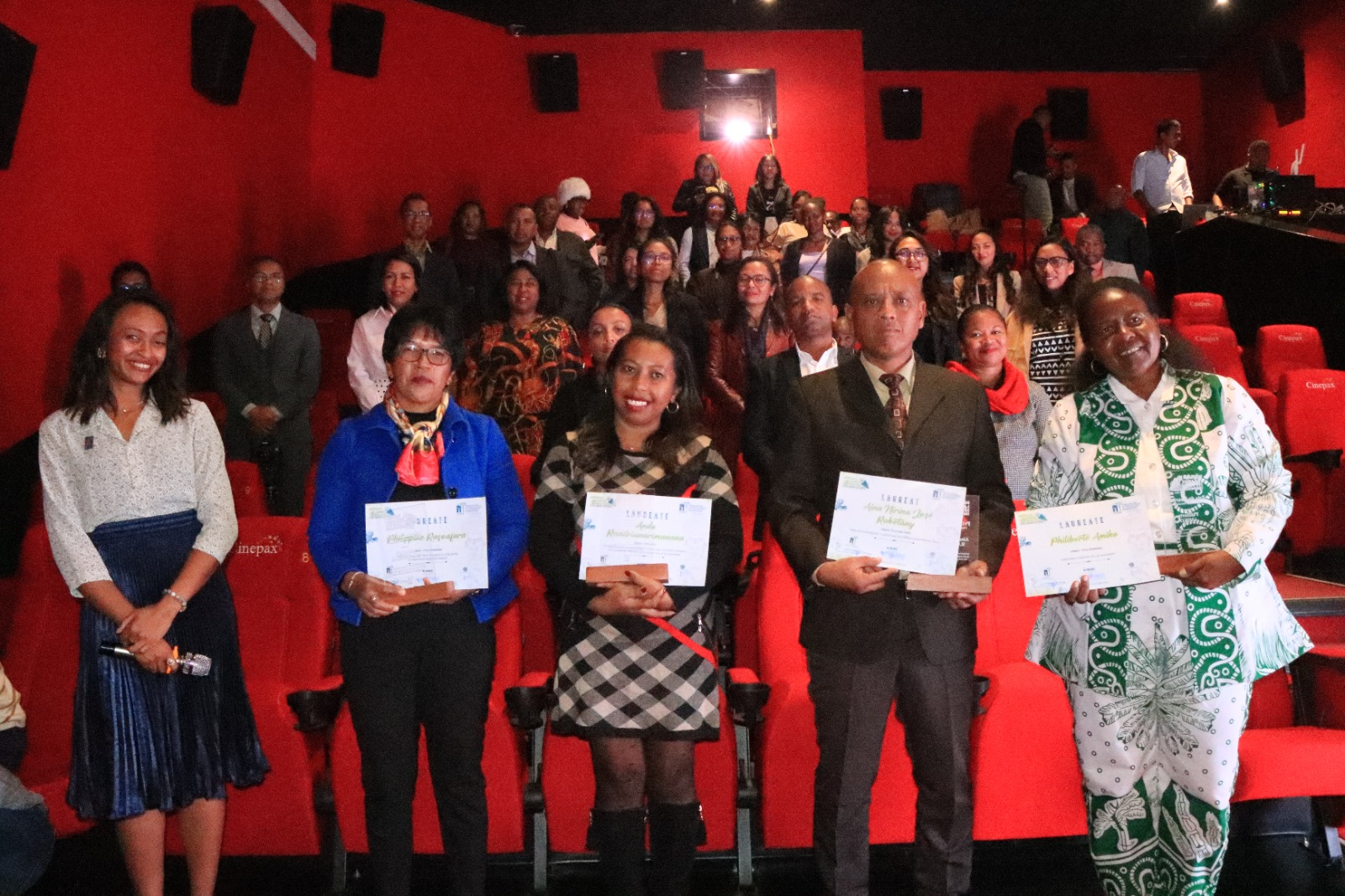
Antananarivo hosted the awards ceremony for the third edition of the “Media #ForProtectedAreas” competition on July 22, 2026, at CINEPAX Ambodivona. Organized by the Foundation for Protected Areas and Biodiversity of Madagascar (FAPBM), with the support of Malagasy Brand Communication and REMAPSEN Madagascar, this year’s edition celebrated the trust fund’s 20th anniversary since its establishment in 2005.
A sharp increase in participation
The number of applications has risen significantly over the past three years, increasing from 14 in the first edition to 23 this year, representing a 64% growth. Journalists from six regions of Madagascar; Analamanga, Alaotra-Mangoro, Diana, Haute Matsiatra, Menabe, and Sava, competed in four categories: television, radio, print, and online media.
Rindra Miarivololona of FAPBM expressed satisfaction with the outcome of this edition, highlighting a major innovation: each winner was supported by a mentor throughout the production of their report. She added that the foundation will continue working with the award-winning journalists to encourage them to produce more reports and documentaries on protected areas.
Four stories from the field
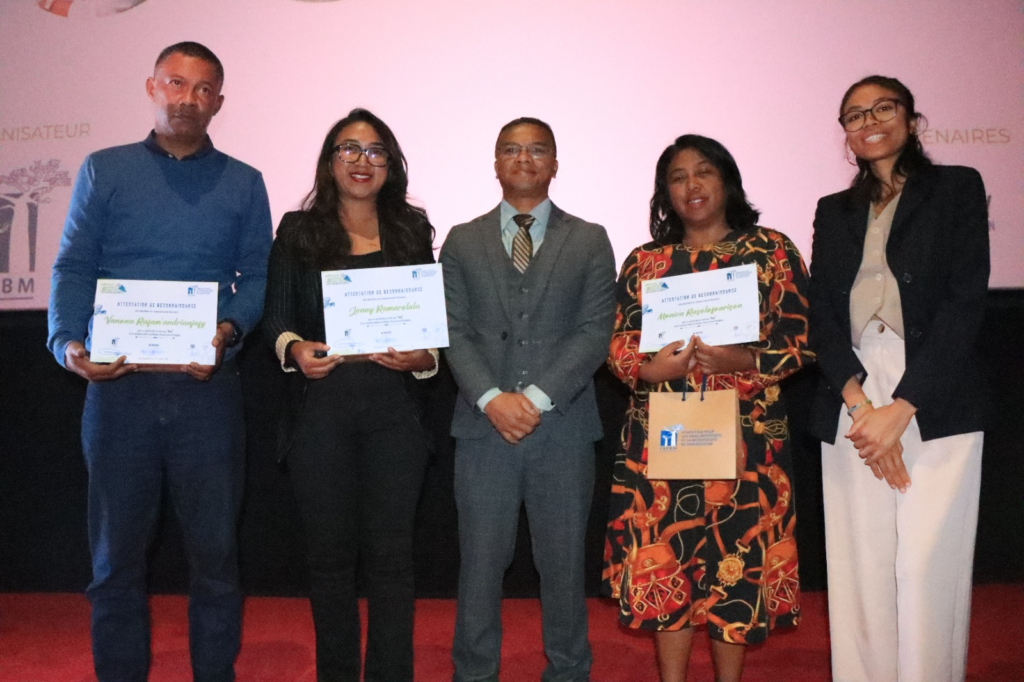
Rasoafara Philippine won the radio category with a report on the economic benefits of sustainable financing in Andringitra National Park. Also competing in the radio category, Amiko Philiberte documented improved rice farming as an alternative to reducing pressure on the forests of Menabe Antimena. In the television category, Rabetany Aina Nirina José covered community co-management initiatives led by Asity Madagascar in the Mahavavy-Kinkony Complex. In the print media category, Randrianarimanana Ando explored seaweed farming as a way to ease pressure on marine resources in Tsimanampesotse and Nosy Ve-Androka.
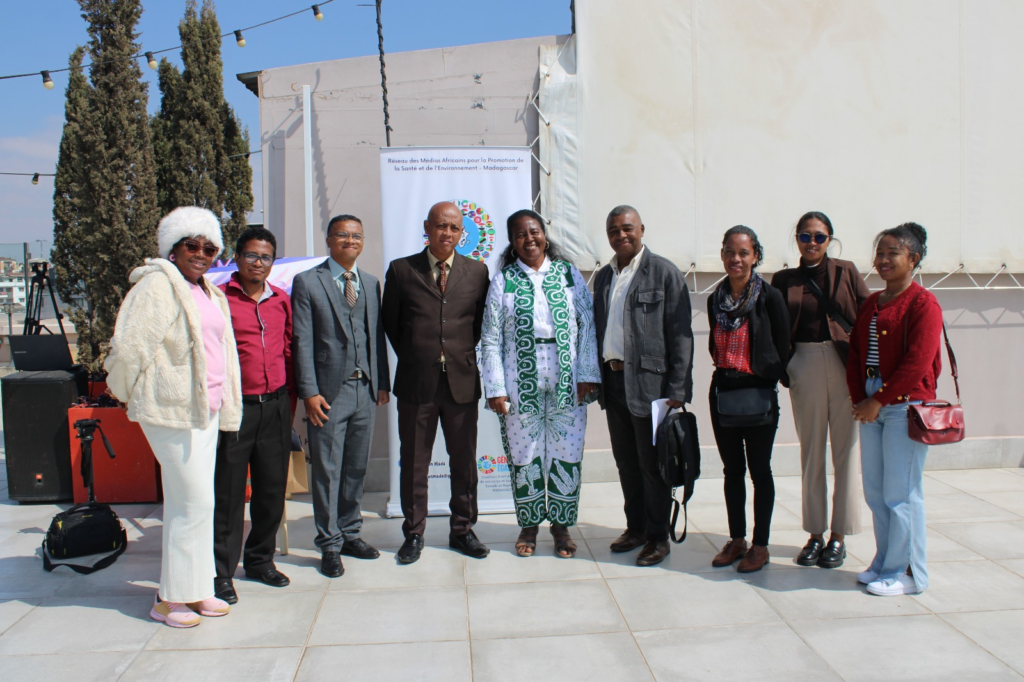
REMAPSEN Madagascar’s perspective
According to Rakotondratsimba Vonona, National Coordinator of REMAPSEN Madagascar, the growing enthusiasm among journalists can be explained by three factors: an increased grant, personalized mentoring designed to address the lack of environmental journalism training, and stronger communication around the call for applications through REMAPSEN and Malagasy Brand Communication.
The network also mobilized two of its members as mentors: Fah Andriamanarivo, a journalist specializing in environmental and data journalism, and Nirina Rakotomiarintsoa, REMAPSEN’s environmental focal point.
Vonona nevertheless acknowledged persistent challenges, including the remoteness of protected areas, which requires greater financial resources and more time in the field, as well as the shortage of specialized training, since most Malagasy journalists remain generalists.
Why it matters for health and the environment
According to Dr. Rija Ranaivoarison, Executive Director of FAPBM, conservation “also depends on the media, which help bring field realities to light.” Vonona applies the same vision to the future of the competition: of Madagascar’s 146 protected areas, 75 are currently financed by FAPBM, leaving 71 sites yet to be covered. He called for stronger technical and financial partnerships to expand training opportunities for REMAPSEN members in environmental and data journalism, while also increasing the resources available for field reporting.