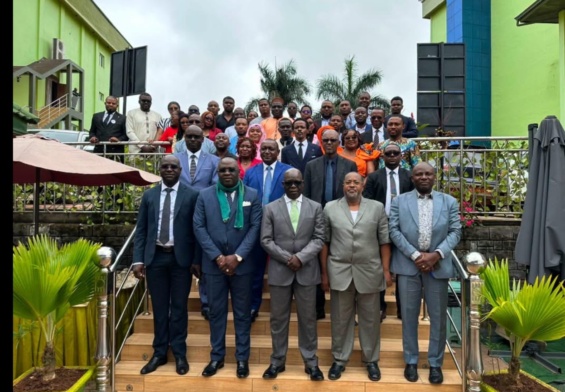
Cooperation between IOM and the Ministry of Finance also opens up prospects for strengthening the health of mobile populations, epidemiological surveillance and the mobilization of diaspora skills.
Human mobility is not only an economic or migratory issue. It also constitutes a public health challenge. It is in this perspective that the exchanges between the International Organization for Migration (IOM) in Cameroon and the Ministry of Finance take on a particular dimension.
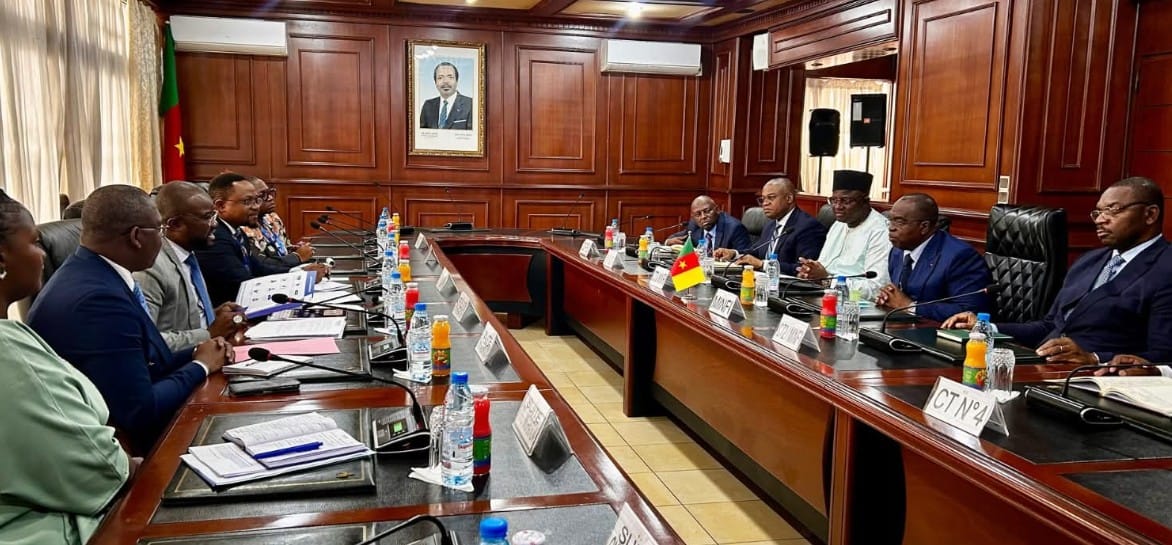
According to IOM Cameroon, the discussions focused on the contribution of human mobility, the diaspora, and investment to inclusive and sustainable growth. Three main themes were addressed: migration and sustainable development, mobilizing the potential of the diaspora, and productive investment and entrepreneurship.
Mobility, a health issue
In Cameroon, population movements can directly influence public health. An IOM study on internal migration had already established links between mobility, urbanization, and pressure on health services.
This issue remains relevant. In its 2025-2026 response plan, IOM plans to strengthen border disease surveillance, epidemic preparedness, and vaccination strategies tailored to mobile populations in Cameroon. The organization is also working with the Ministry of Public Health on mental health and psychosocial support for displaced persons.
The issue is particularly important in border areas and regions facing population displacement. In April 2026, Cameroon had approximately 510,855 internally displaced persons as a result of the Lake Chad Basin crisis.
The diaspora, a resource for the health system
Diaspora mobilization can also extend beyond financial transfers. IOM has already supported a project aimed at enabling the Cameroonian diaspora in France and Belgium to contribute to the health and higher education sectors, particularly through skills sharing and temporary professional assignments.
This experience shows that Cameroonians abroad can be a resource in terms of expertise, training, innovation and investment for the health system.
This cooperation is particularly relevant given that health financing remains a major challenge. The WHO emphasizes that Cameroon is working to revise its health financing strategy, in a context marked by high costs and the reduction of certain external funding sources.
The IOM-Ministry of Finance meeting could thus contribute to the emergence of an approach where migration, diaspora, investment, and health are more fully integrated into public policies. The objective would be to transform human mobility into a driver of development, while strengthening Cameroon’s capacity to protect the health of populations on the move and the communities that host them.