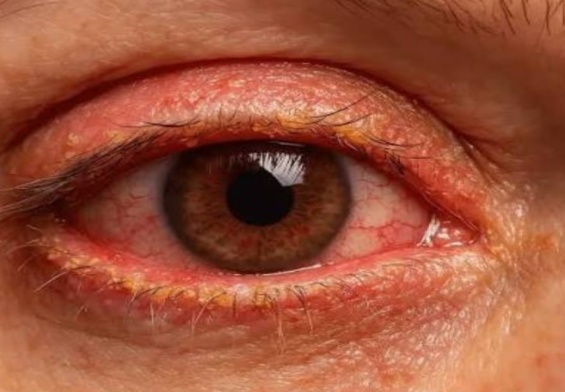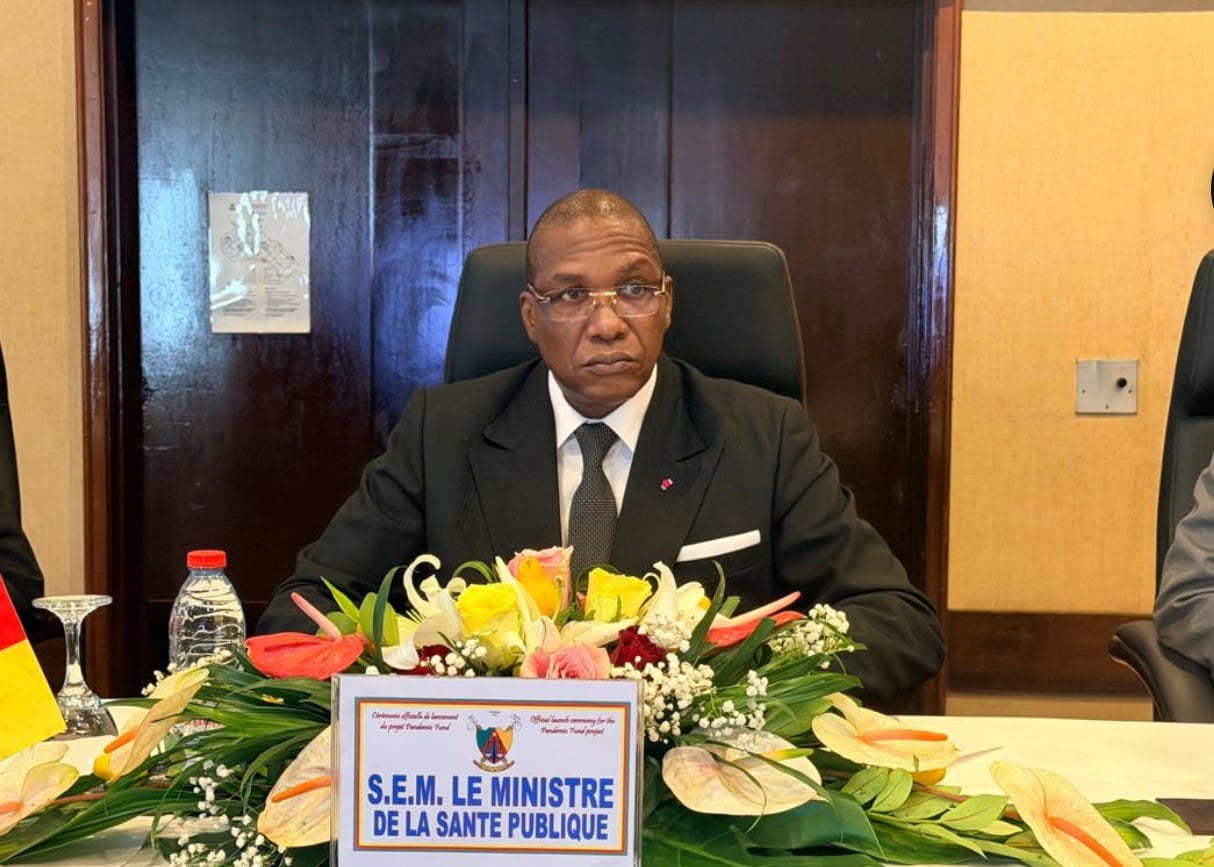
During a two-day working visit to the Southern region, the Minister of Public Health sought to reassure the public in the face of the Mpox epidemic, while announcing significant reinforcements for the Kribi Regional Annex Hospital, following the national launch of the Pandemic Fund project.
Dr. Malachie Manaouda, Minister of Public Health
Sometimes a health alert is all it takes to remind us how precious vigilance and responsiveness are. In Cameroon, Mpox, formerly known as monkeypox, has been mobilizing the highest health authorities for several weeks, particularly in the South region where the epidemiological situation is being closely monitored. To get a firsthand look at the reality on the ground and assess the response, Dr. Malachie Manaouda, Minister of Public Health, undertook a two-day working visit to Kribi, to meet with the local population and the medical teams on the front lines.
The minister’s visit to Kribi was not a mere courtesy call. It was part of a strategy to closely monitor the health response to the outbreak of morning sickness (MSW) and to assess the region’s hospital infrastructure. The Kribi Regional Annex Hospital, the main referral hospital for the South, was thoroughly inspected. The minister conducted a comprehensive tour, examining the departments, the technical facilities, and the working conditions of the medical teams. One conclusion was inescapable: the hospital, already strained by a rapidly growing population due to
major infrastructure projects in the city, needs reinforcements to meet the increasing needs of the population.
Beyond the hospital, the entire Mpox response system was reviewed. The southern region, bordering several countries, is a strategic area for monitoring emerging diseases. Public health teams, supported by community health workers, are continuing contact tracing and raising awareness among the population about preventive measures. The Minister reaffirmed that healthcare is free for confirmed cases, aiming to remove any financial barriers and encourage early access to health services. This system is proving effective and demonstrates the efficiency of coordination between the different levels of the health system. The Minister of Health’s visit to Kribi also comes within the broader context of strengthening national health security.
Cameroon officially launched the Pandemic Fund project on July 29 in Yaoundé. This strategic program, with a budget of nearly $160 million, includes $23.5 million from the Pandemic Fund, $112 million in co-financing, and $24 million in domestic investment. Driven by the One Health approach, the project aims to digitize community surveillance in 42 municipalities, establish seven regional call centers, strengthen border surveillance, improve the interoperability of health information systems, and develop antimicrobial resistance surveillance.
It also includes the operationalization of ten regional public health emergency operations centers and the strengthening of fifty laboratories in the areas of quality assurance, diagnostics, secure sample transport, and genomic surveillance. The objective is clear: to detect earlier, coordinate better, and respond faster, in line with the international 7-1-7 target, which aims to detect a health event within seven days, confirm and report it within one day, and then initiate an effective response within the following seven days. The Minister noted that Cameroon already has significant experience in managing public health emergencies through its responses to COVID-19, cholera, Mpox, measles, meningitis, and other epidemics. These crises tested the health system while strengthening national capacities and coordination mechanisms, thus providing a solid foundation for addressing current and future challenges.