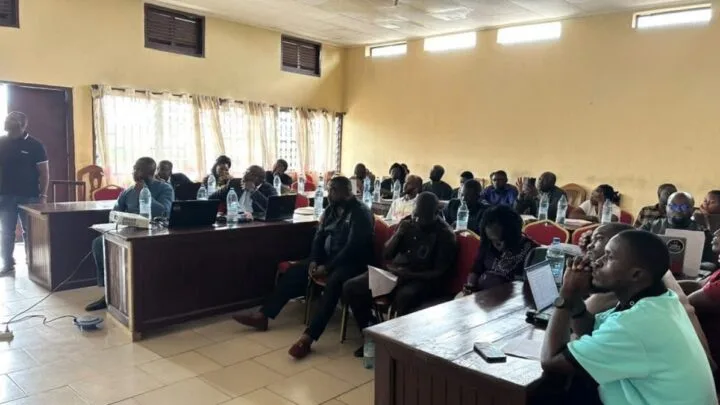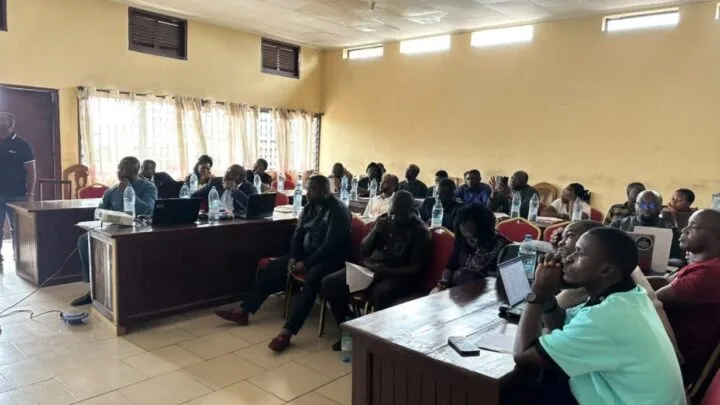

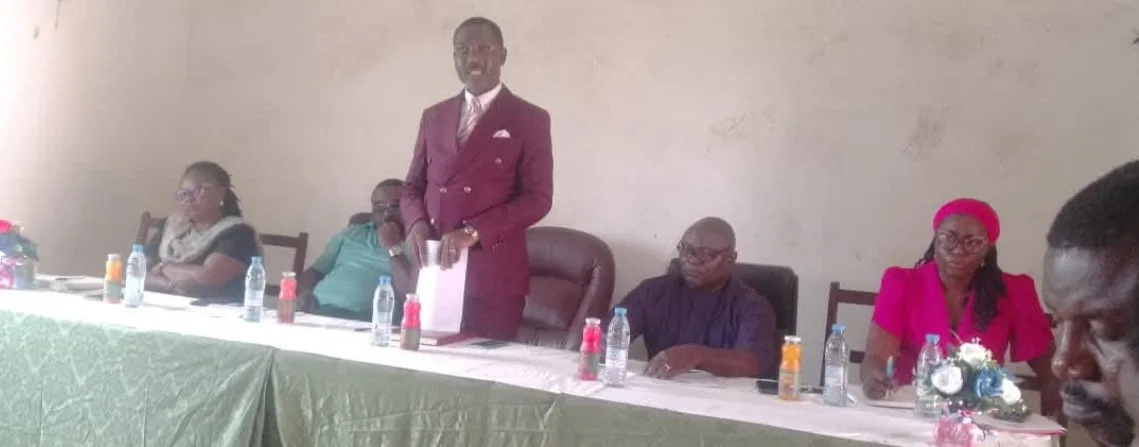
In response to malpractice and the illegal practice of medicine, the Tiko district held a critical crisis meeting. Led by Dr. Eko Eko Filbert, health stakeholders are stepping up controls on medicines and staff accreditation, as well as emergency evacuation procedures, to ensure safe care.
Faced with malpractice threatening patient safety and the proliferation of unregulated practices, the Tiko health district has reached a decisive turning point. At the initiative of health authorities, a critical crisis meeting brought together representatives from the Ministry of Public Health, the Tiko Council, heads of health facilities, and key stakeholders. The goal of this strategic consultation was clear: to provide a firm, concrete, and sustainable response to the systemic issues hindering the quality and safety of healthcare in the area.
Taking firm control to protect the population
Presiding over this high-level meeting, the Regional Delegate for Public Health for the South-West, Dr. Eko Eko Filbert, firmly re-established the sector’s priorities. Expressing deep concern over recent incidents reported in the field, the Delegate reiterated his administration’s fundamental mandate: to protect the population by ensuring healthcare that is accessible, affordable, safe, and strictly regulated by law.
Three regulatory pillars were the focus of a strict reminder of the rules. The first area: the mandatory qualification and registration of medical personnel. Only professionals who are legally accredited and registered with national professional bodies will henceforth be authorized to practice. The second area: the supply of health products. The Ministry demands absolute compliance regarding supply chains for medicines and laboratory reagents, requiring them to originate exclusively from approved distribution centers. Finally, Dr. Eko Eko Filbert clarified the crucial distinction between the approval to establish a health facility and the final authorization to open, the latter being contingent upon strict adherence to infrastructure, equipment, and operational standards.
Zero tolerance for illegal practice and illicit supply chains
The meeting also provided an opportunity to address, in no uncertain terms, the issues plaguing the daily lives of patients: the illegal practice of medicine, the circulation of questionable medicines, inadequate reception facilities, staffing shortages, and dilapidated infrastructure.
To translate these findings into punitive and corrective measures, the Regional Delegate announced the immediate deployment of field inspection teams. Any medicine lacking verifiable traceability will be systematically seized and destroyed. An urgent appeal was made to the public and sector stakeholders to report charlatans and clandestine practitioners, particularly through anonymous reporting channels.
Promising synergy for emergency care
On an operational level, this crisis meeting laid the groundwork for improved management of emergencies and medical evacuations, particularly for the remote locality of Kange. Acknowledging the urgent need for a collective response, the Tiko Council expressed its readiness to explore providing an emergency medical evacuation boat, subject to the finalization of technical details.
Concluding with recommendations for immediate implementation, this consultation marks a major step toward restoring trust between the population and the healthcare system. By calling for collective responsibility, professionalism, and seamless collaboration, the Tiko Health District reaffirms a clear ambition: to build a healthcare system that is high-quality, ethical, and protective for every citizen.