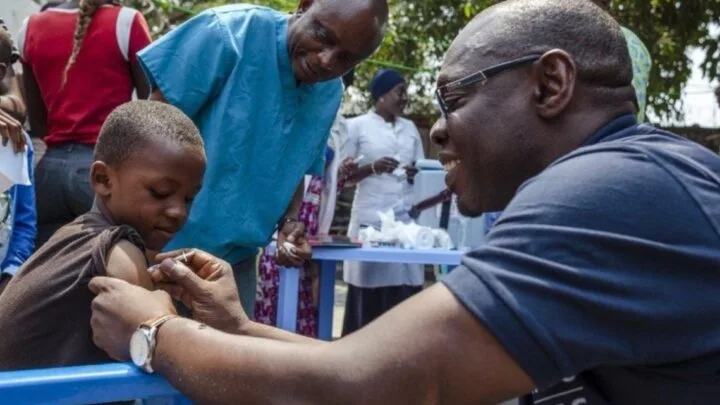

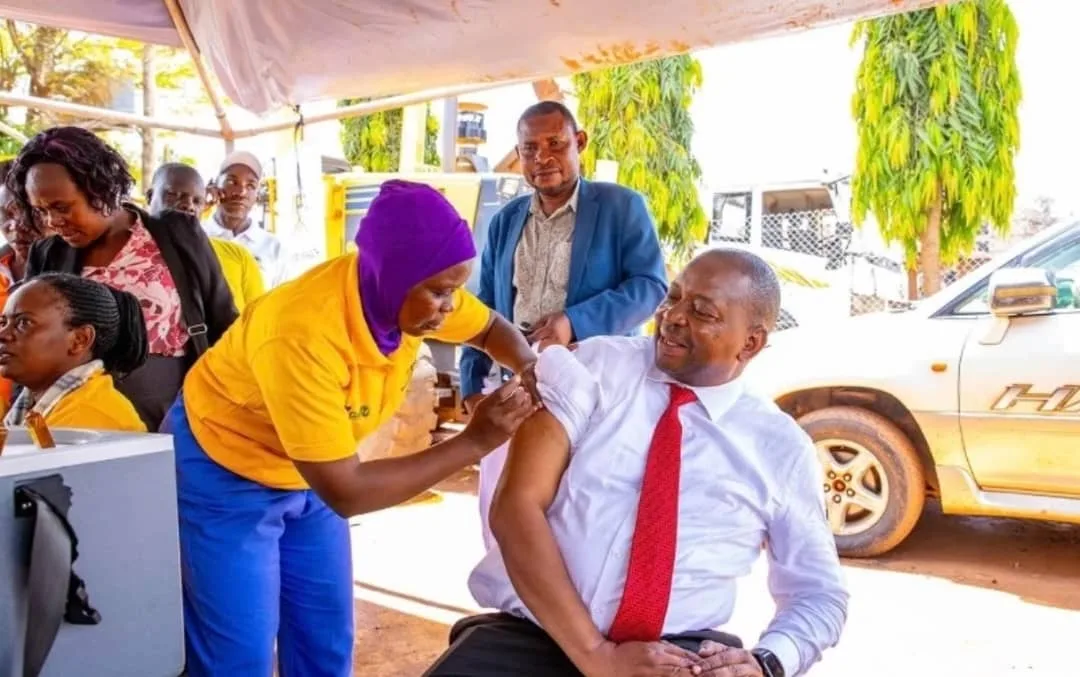
Ghana’s Ministry of Health, the Ghana Health Service (GHS) and the World Health Organization (WHO) are stepping up their response to a yellow fever outbreak in the Upper West Region after three laboratory-confirmed cases resulted in deaths. An emergency vaccination campaign targeting people aged nine months to 60 years is scheduled to begin on Monday, October 12.
Three deaths trigger outbreak declaration
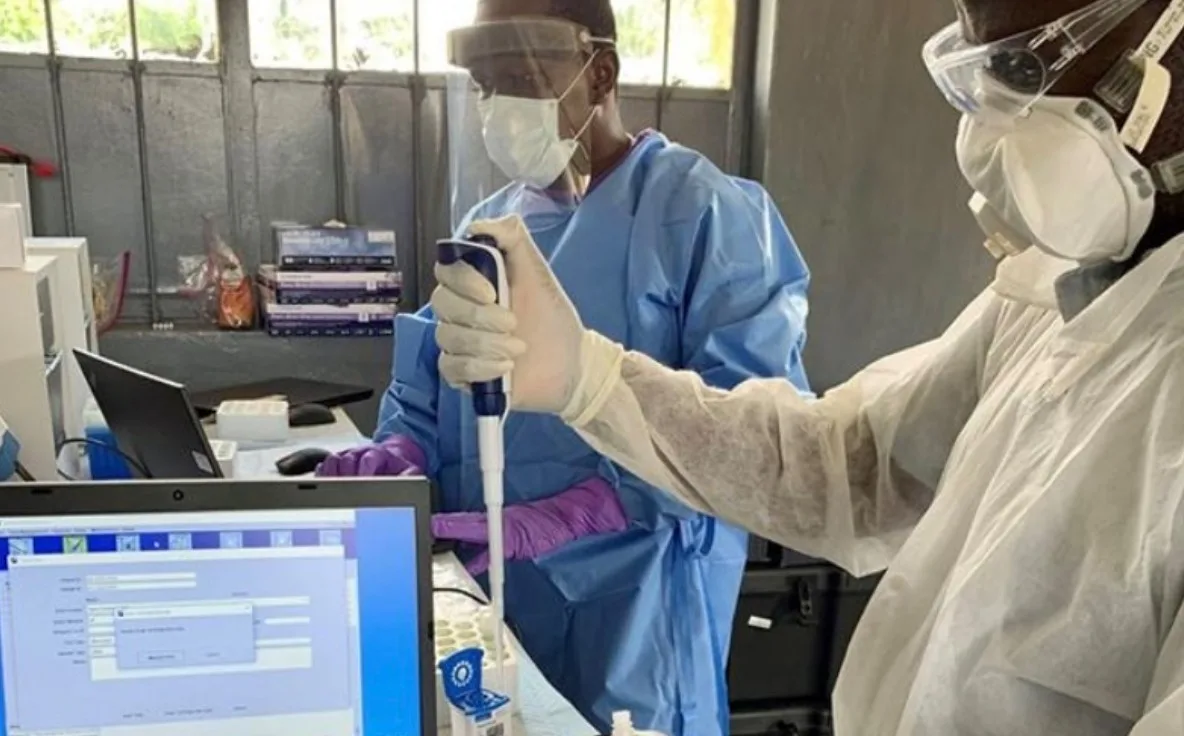
The outbreak was declared on October 9, following reports of suspected infections at health facilities in Sissala West and Wa West from September 9. Laboratory testing, including further analysis at a WHO-accredited reference laboratory in Dakar, Senegal, confirmed three cases. All three patients died despite receiving medical care, according to the Ministry of Health.
Health Minister Kwabena Mintah Akandoh said approximately 450 suspected yellow fever cases had been recorded nationwide between June and September, including 88 in the Upper West Region. He stressed that suspected cases require laboratory confirmation before being counted as confirmed infections or conclusively linked to deaths.
Vaccination targets three districts
The GHS will target residents aged nine months to 60 years in Wa West, Sissala West and Sissala East. Public Health Director Dr Franklin Asiedu-Bekoe said preparations were nearly complete following vaccine approval.
The government has requested an additional 187,000 vaccine doses to support the campaign, according to the Health Minister’s October 9 briefing. The exercise aims to extend protection beyond routine childhood immunisation and reduce the risk of further transmission.
National and regional public health emergency operations centres have been activated, while rapid response teams have been deployed to affected communities. Their activities include identifying suspected cases, strengthening surveillance, communicating health advice and reinforcing case management at designated health facilities.
Surveillance and prevention strengthened
Yellow fever is a viral disease transmitted through the bite of infected mosquitoes. Symptoms may include sudden fever, headache, muscle pain, backache, nausea and weakness. Severe cases can cause jaundice, bleeding and damage to vital organs. There is no specific antiviral treatment, making vaccination the main preventive measure.
The Ministry has urged residents experiencing sudden fever, yellowing of the eyes or skin, or unusual bleeding to seek medical attention immediately and avoid self-medication. People are also advised to use mosquito repellents, sleep under insecticide-treated nets and eliminate stagnant water around homes to reduce mosquito breeding.
Because mosquitoes that transmit yellow fever can bite during the day, protection should not be limited to nighttime.
The extent of transmission remains under investigation. Health authorities are relying on surveillance, laboratory testing and emergency vaccination to protect at-risk communities. The WHO considers a single vaccine dose sufficient to provide lifelong protection for most people.
Community and religious leaders have been urged to raise awareness and encourage residents to cooperate with vaccination teams when the campaign begins on October 12.