
From emergency preparedness to the fight against polio and tobacco use, the WHO outlines its cooperative achievements with Cameroon during the third quarter of 2026, alongside ongoing efforts to strengthen the national health system.
Faced with persistent health challenges, Cameroon continues its efforts to strengthen its health system, better anticipate emergencies, and improve patient care. In its third quarterly bulletin of 2026, published on October 29, 2026, the World Health Organization (WHO) reviews key actions carried out from July to September alongside national authorities and partners, while outlining the core priorities of their cooperation.
Health Cooperation: WHO Priorities in Cameroon
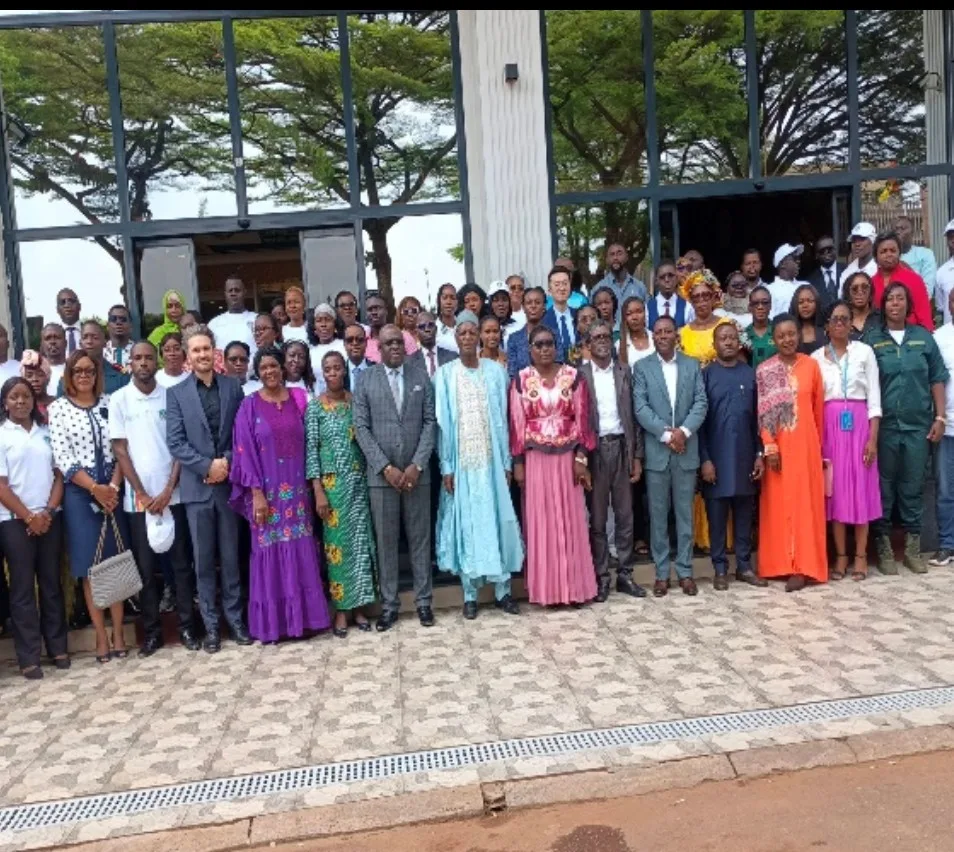
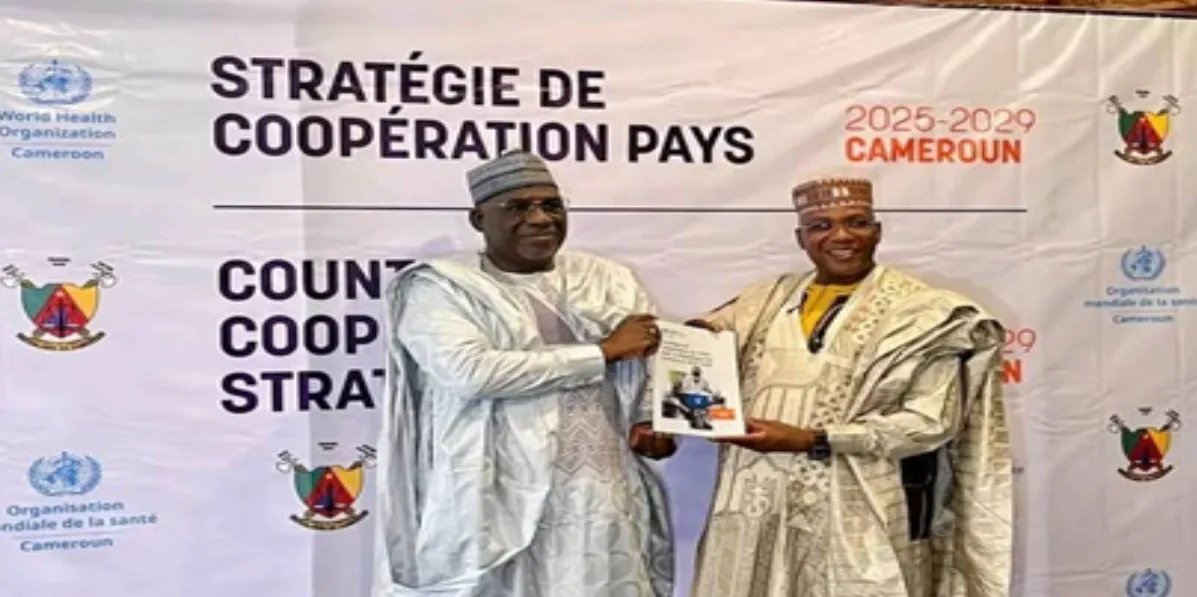
The period was notably marked by the official presentation, on September 30, 2026, in Yaoundé, of the WHO-Cameroon Country Cooperation Strategy 2025–2029. This framework aims to bolster health system resilience, equity in healthcare access, and the alignment of interventions with national priorities. The bulletin also highlights the validation of the Health Sector Partnership Strategy 2026–2030. Furthermore, from August 24 to 28 in Addis Ababa, Cameroon participated in the 76th session of the WHO Regional Committee for Africa, presenting its advances in malaria vaccination, local pharmaceutical production, and epidemiological surveillance. During the second quarter of 2026, this surveillance system achieved 96% completeness and 82.7% promptness in notifications.
Enhanced Emergency Preparedness
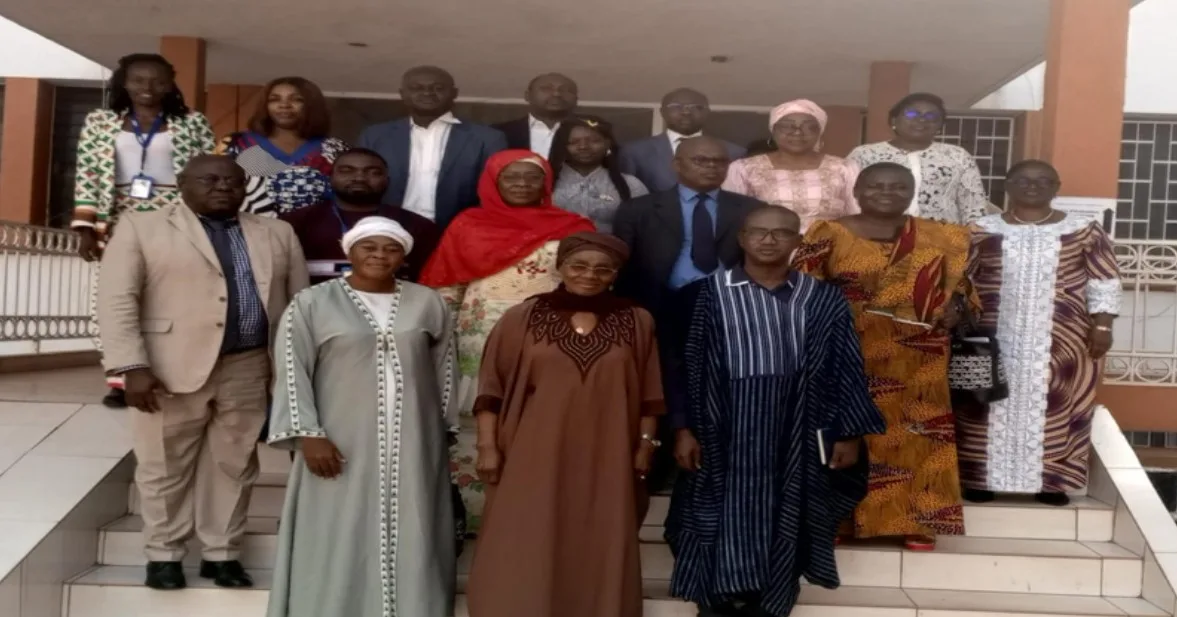
From August 24 to 29 in Ebolowa, 80 professionals from the Ministry of Public Health, the Ministry of Defense, and the General Delegation for National Security were trained as members of Cameroon’s very first Emergency Medical Team. Backed by the European Union and supported by the WHO, this initiative aims to improve responses to epidemics, disasters, and mass-casualty situations. Evaluation scores reached up to 92% ahead of upcoming operationalization and international certification phases.
The strengthening of emergency care continued in Douala, Bafoussam, and Yaoundé through three specialized sessions held between July and August. On September 28, the WHO and the Catholic University of Central Africa (UCAC) signed a memorandum of understanding to
integrate the Basic Emergency Care and Community First Aid Responder courses into initial and continuing education programs. According to the bulletin, UCAC is the first Cameroonian university authorized to deliver both certified training programs.
Surveillance, Prevention, and Financing
In the North Region, an automatic sampler installed in June in Garoua II is reinforcing environmental surveillance for poliovirus. Between 2019 and 2025, this approach successfully isolated 34 polioviruses in Cameroon, compared to 18 detected through acute flaccid paralysis surveillance alone. The bulletin also emphasizes ongoing efforts to prepare the Global Fund’s eighth grant cycle for 2027–2029, focusing on HIV, tuberculosis, malaria, and broader health system strengthening.
Tobacco control also remains a top priority. During a workshop held in Mbankomo from July 22 to 24, participants examined various tax increase scenarios. The document estimates that tobacco use accounts for approximately 66,000 deaths annually in Cameroon. Tobacco taxes currently represent 36% of the retail price of cigarettes, well below the 75% recommended by the WHO. A gradual tax increase could reduce sales by roughly 19% by 2028 and generate nearly 25 billion CFA francs in additional public revenue.
Coordination and System Modernization
Finally, the bulletin outlines several governance initiatives. In Douala, the GUSBE project aims to enhance multisectoral coordination through digital tracking, medical waste management, and a medicalized speedboat project. On September 22, the annual consultation with health partners addressed artificial intelligence, data digitalization, and the cholera situation in the Far North and North regions.
Concurrently, the Humanitarian Transition Plan 2025–2027 seeks to progressively transfer coordination responsibilities to national institutions and local actors while maintaining essential services. Integrating monitoring tools into the DHIS2 platform is expected to improve intervention visibility, despite ongoing funding constraints. Administrative and financial digitalization serves as another key performance driver, provided cybersecurity and data protection measures are reinforced.
Through these concerted actions, the WHO reviews the milestones achieved in Q3 2026 to reinforce the health system, prevent emergencies, and coordinate interventions. For the WHO Representative in Cameroon, Dr. Magaran Monzon Bagayoko, the ultimate objective remains translating these commitments into tangible outcomes and ensuring more equitable access to quality healthcare for all.
Marie Chantale FAIDA