
From November 2 to 3, 2026, the United Nations system indicated that 266 million people are facing acute food insecurity across 47 countries and territories, while in Cameroon, the figure stands at 4.5 million people, according to the Cameroon Joint Monitoring Report published on August 7, 2026.
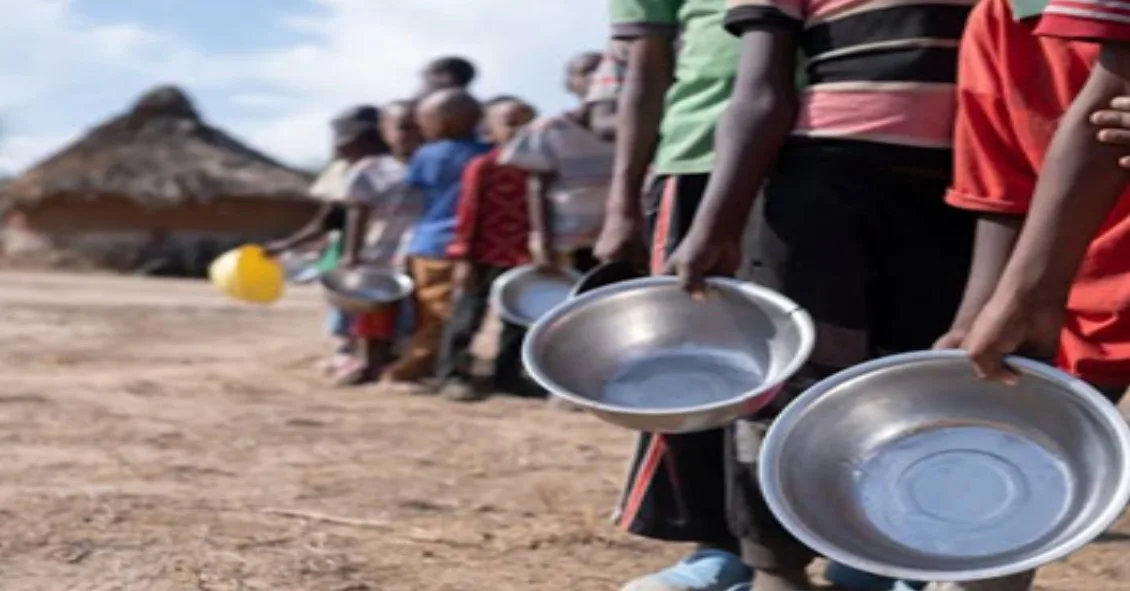
Eating to one’s fill is a fierce struggle for many Cameroonians today. Regular access to sufficient and nutritious food remains a challenge. According to the Cameroon Joint Monitoring Report published on August 7, 2026, approximately 4.5 million people—representing 15% of the Cameroonian population, estimated at 30.2 million inhabitants—were living in March 2026 in areas exposed to an IPC/CH Phase 3 or higher risk of acute food insecurity. Among them, 1.8 million were located in conflict-affected regions, namely the Far North, North-West, and South-West, compared to 2.6 million in non-conflict-affected areas. Despite a drop in the proportion of people at risk, from 22% in January to 16% in February, the first-quarter average remained high at 18%, or 5.4 million people, reflecting structural vulnerability. Over the same period, alerts dropped from 58 in January to 27 in February and 26 in March, totaling 39 critical-risk alerts and 72 heightened-risk alerts.
Between April and June 2026, seven health districts in the Far North recorded more than 500 admissions for severe acute malnutrition among children under five years of age. This situation occurs against a backdrop marked by population displacement, market disruptions, depleted food stocks, and outbreaks of cholera and measles.
This nutritional situation unfolds in a context where access to food is becoming increasingly difficult for a portion of the population. According to the report, food imports dropped from 81.5 billion CFA francs in April 2025 to 26.9 billion CFA francs in June 2026, based on data from Cameroon Customs. Concurrently, security crises are disrupting agricultural activities and market operations. Farmers are encountering greater difficulties in accessing their fields. In the North-West and South-West regions, 1,108 security incidents were recorded in the second quarter of 2026, compared to 676 in the first quarter, representing a 64% increase. These incidents caused 392 deaths, compared to 278 in the previous quarter, a 41% rise. The Far North recorded 295 incidents, an increase of 81%.
Population displacements further exacerbate this pressure on food resources. As of June 30, 2026, Cameroon had more than one million internally displaced persons: 493,402 in the North-West and South-West regions, and 510,855 in the Lake Chad basin. In addition to these populations, there were 412,521 refugees and nearly 791,000 returnees. These population movements increase the food needs of host communities, which are already struggling with supply and livelihood challenges.
The World Food Programme’s (WFP) mVAM survey confirms this deterioration. Between the first and second quarters of 2026, the proportion of displaced households with acceptable food consumption dropped from 35.8% to 32.8%. Among non-displaced households, it fell from 65.2% to 62.4%. In the second quarter, nearly 68% of displaced households exhibited poor or borderline food consumption. The depletion of food stocks constitutes another warning sign. The proportion of displaced households with no food reserves rose from 37.9% to 48.3% between the two quarters. Furthermore, 72.1% of these households were in debt. Their capacity to produce a portion of their own food remains limited as well: only 39% engage in self-production, compared to 45.7% among non-displaced households.
The fight against hunger therefore demands more than mere food availability. It requires guaranteeing populations the economic and physical means to access sufficient, diversified, and nutritious food. In Cameroon as elsewhere, the challenge remains to ensure that available food can truly reach people’s plates.
Marie Chantale FAIDA