
As the second round of the U23 AFCON (Egypt 2027) qualifiers unfolds from November 11 to 14, 2026, rigorous medical monitoring of the athletes has emerged as a critical factor for performance and the preservation of their physical well-being.
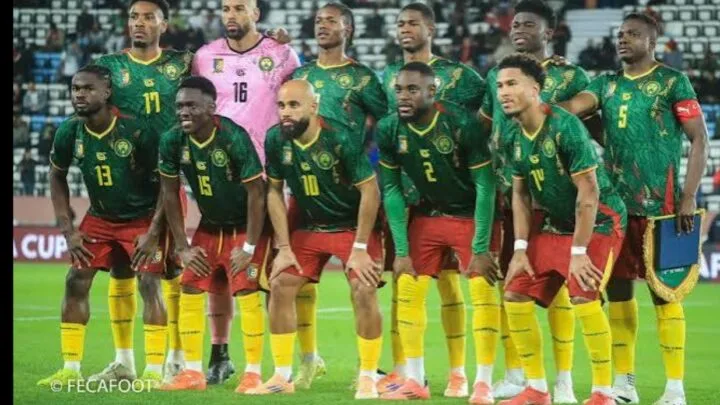
The race toward the U23 Africa Cup of Nations (U23 AFCON) set to take place in Egypt in 2027 is in full swing across the continent. This second round of qualifiers, concentrated within an especially intense international window from November 11 to 14, 2026, is putting African national teams to the test. With matchups such as Rwanda vs. Cameroon, Kenya vs. Ivory Coast, Eswatini vs. Algeria, and Burkina Faso vs. Zambia taking place from November 11; highly anticipated duels like Ethiopia vs. Morocco, Angola vs. Congo, and Tunisia vs. Gabon scheduled for November 12; and major clashes including DR Congo vs. Nigeria on November 13 and Madagascar vs. South Africa on November 14, the competition promises to be fierce. Yet, beyond tactical decisions and raw talent on the pitch, one factor—often relegated to the background proves to be decisive: the quality of medical care provided to these young athletes.
Young Bodies Under High-Intensity Demands
At under 23 years of age, footballers are at a delicate physiological crossroads. While they may be brimming with energy, their bodies are still in a phase of muscular and tendinous maturation. However, these qualifiers impose a frantic pace: exhausting transcontinental travel, abrupt shifts in time zones and climatic conditions, and a succession of matches that are both emotionally and physically demanding. Without high-level medical support, the risk of muscle injuries, tendonitis, or chronic fatigue skyrockets.
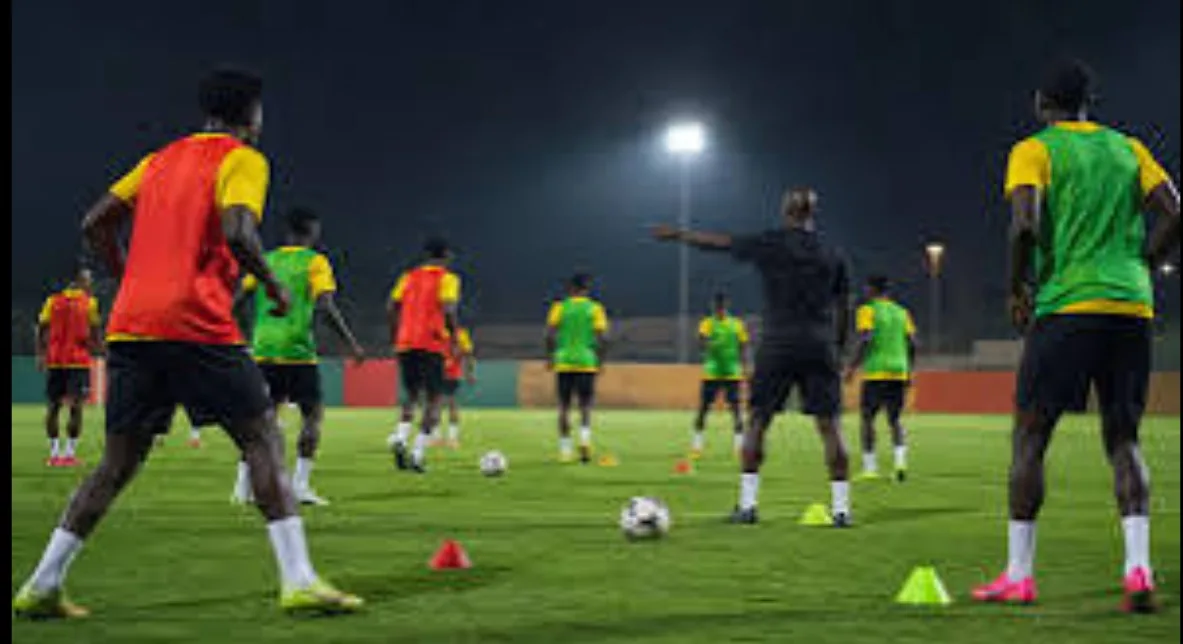
In this context, the medical staff of national teams serves as the primary safeguard for performance. Biometric assessments conducted before the squad gathers, the individualized management of training loads, and the early detection of minor injuries help prevent last-minute withdrawals which could otherwise destabilize an entire team on the eve of a high-stakes, do-or-die match.
Recovery and nutrition: the keys to consistency
Within a tight window like the one from November 11 to 14, the ability to recover quickly between training sessions and matches often proves decisive during the final
twenty minutes of a game. Modern medical protocols now incorporate a comprehensive approach, combining advanced physiotherapy, cryotherapy, sleep quality monitoring, and tailored sports nutrition.
Precise rehydration and energy intake before, during, and after physical exertion—are essential for players to maintain technical clarity. A drop in physical performance inevitably leads to a loss of focus, which can result in fatal defensive errors or poorly executed movements that may cause serious injury. Furthermore, cardiac monitoring and the prevention of environment-related health issues such as malaria or digestive problems encountered while traveling remain absolute priorities for safeguarding the physical well-being of the squad.
Preserving human capital for the future of African football
The stakes extend well beyond these specific qualifying matches on the « Road to Egypt 2027. » The U23 category serves as the immediate antechamber to senior national teams and acts as the continent’s Olympic talent pool. Sacrificing a young talent’s health by rushing their return to the pitch—despite physical warning signs—not only compromises their team’s immediate prospects but also jeopardizes the future of the player’s professional career.
Ultimately, as African nations pour all their efforts into this decisive second round, victory is forged as much in the treatment room as it is on the training ground. Excellence in sports medicine is no longer a luxury; it is an essential requirement for transforming the potential of Africa’s youth into a well-deserved qualification.