According to a cross-analysis published in 2023 (on 9 studies conducted in China), high consumption of spicy foods is associated with a reduced risk of high blood pressure.
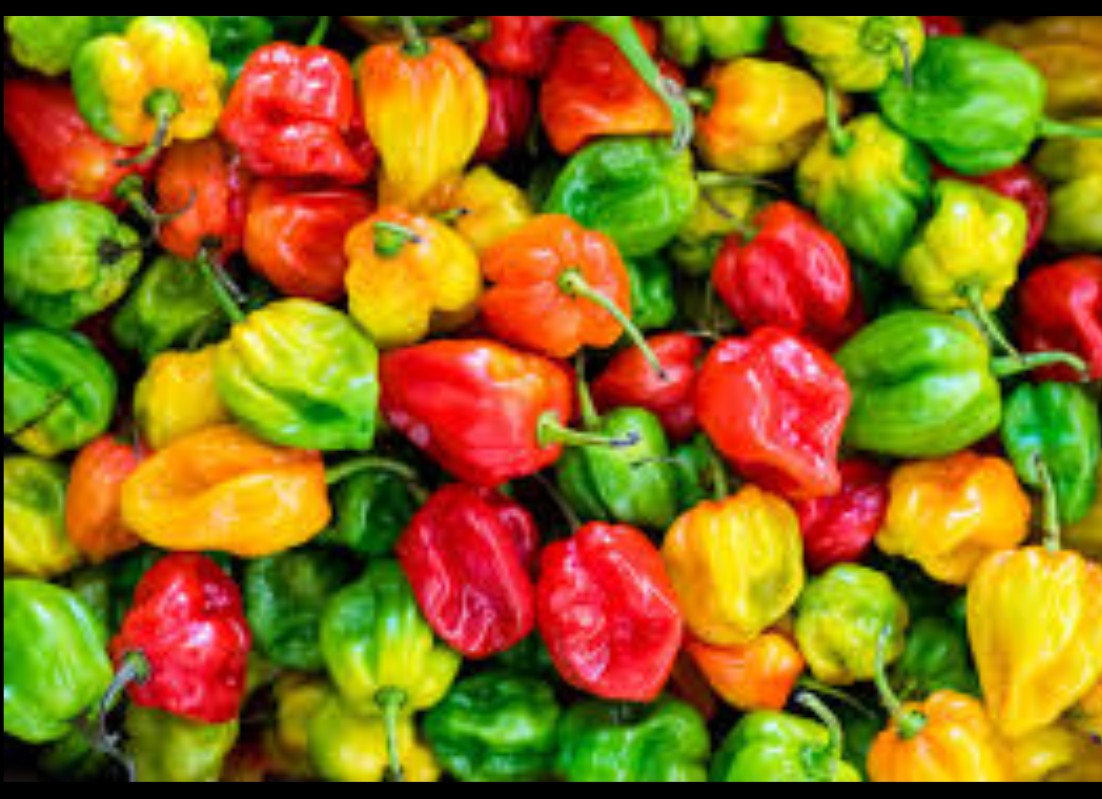
Chili peppers are the most consumed spice in the world. But beyond their flavor, this fruit-spice from the nightshade family is now emerging as a true therapeutic ally. Used for years for its tonic and antiseptic properties, as Dr. Hilaire Nasser explains on his Facebook page, « When I was little, my grandfather often used chili peppers to relieve palpitations and heart palpitations, » chili peppers are experiencing a major resurgence of interest. According to a study published in the Chinese Medical Journal, the risk of vascular disease decreases by 3 to 5% in weekly consumers.
The secret to this effectiveness lies in one word: capsaicin. This active compound, responsible for the sensation of warmth, acts as a natural vasodilator. By promoting the relaxation of blood vessels, it helps maintain stable blood pressure. The results are so compelling that capsaicin-based medications are currently undergoing clinical trials to treat hypertension.
The many benefits of capsaicin
In addition to regulating blood pressure, chili peppers have several benefits: they improve the body’s cholesterol processing, and they possess documented anti-inflammatory and antioxidant properties. Recent research also suggests that they positively influence the gut microbiota, an emerging factor in heart health.
The dosage is simple, as Dr. Nasser says; just take a chili pepper, crush it, mix with water (1/4 glass of water) and drink.
The art of moderation
However, chili peppers remain a potent food that requires informed consumption. Researchers highlight an « ambivalent » effect on heart rate. While long-term protection is real, immediate consumption can trigger palpitations or an accelerated heart rate in sensitive individuals.
The clinical picture of adverse effects underscores the need for caution: heartburn, gastroesophageal reflux, or even accelerated intestinal transit. In the rarest cases of hypersensitivity, extremely hot sauces can even cause laryngeal edema.
Expert advice
To benefit from its protective properties without experiencing any unpleasant side effects, experts recommend regular (ideally four or more times per week) but moderate consumption. The goal is to adjust the dosage to individual tolerance, as chili peppers should not be considered a miracle cure for existing illnesses, but rather a preventative tool within a balanced diet.
Although chili peppers stimulate circulation, they are not a treatment for heart rhythm disorders. If you experience frequent palpitations during or after meals, a medical consultation is essential.
Audray NDENGUE