Report No. 138 of the National Technical Unit (CTN) CSU, covering the period from May 11 to 25, 2026, presents an impressive assessment and outlines the contours of an ambitious modernization, marked by the integration of artificial intelligence.
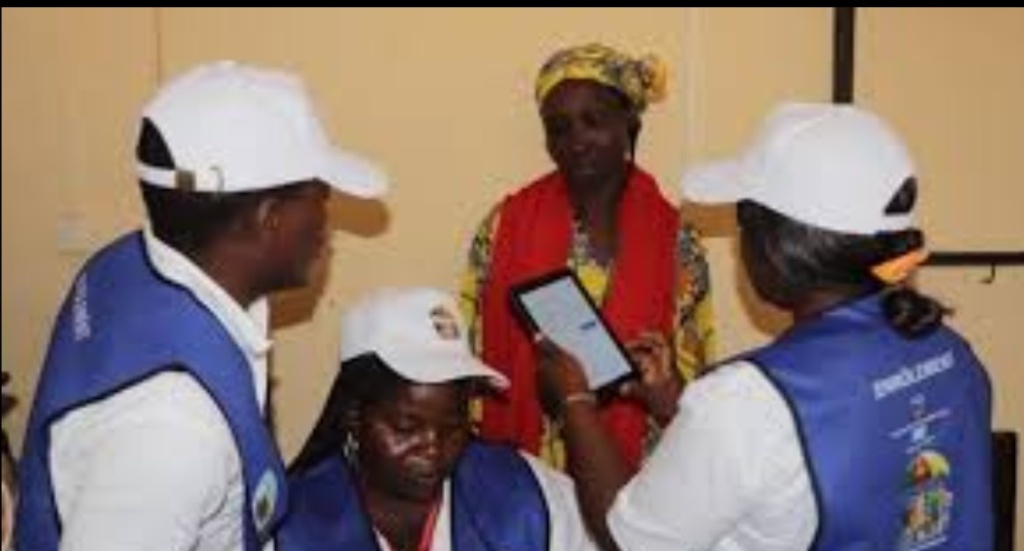
A dynamic enrollment effort driven by the regions. Indeed, as of May 25, 2026, the figures demonstrate the growing public confidence: 5,597,611 people are pre-enrolled and 4,770,271 citizens are formally enrolled. This result represents 82% of the target, compared to the priority target of 7.27 million individuals, bringing the country closer to its goal of 4.65 million active enrollees set for December 2026.
In terms of territorial equity, several regions stand out with exceptional performance. Adamawa recorded a performance rate of 127% (403,172 registered voters), the North reached 124% (941,858 registered voters), and the South posted 115%. The Far North remains the demographic engine of the program with over 1.14 million registered voters (89% of its target). Conversely, the Center (45%) and the West (53%) show significant room for improvement, requiring intensified campaign efforts.
The tangible impact of care: the end of financial barriers
On the ground, the free and massive subsidies of Universal Health Coverage (UHC) are transforming the daily lives of Cameroonians. In the area of prevention, more than 3.7 million children have benefited from vitamin A supplements, while Community Health Workers (CHWs) have carried out 6.87 million home visits.
The curative component has achieved major clinical victories in the fight against poverty. Nearly 3 million children under the age of 5 received free consultations, and 1.47 million cases of malaria were treated at no cost. The program is also redefining maternal health: 2.57 million prenatal consultations were conducted. The direct financial savings reached 90% for uncomplicated deliveries and 95% for cesarean sections, the latter now costing mothers only 6,000 FCFA.
The relief is equally historic for those with serious illnesses. More than 457,000 people living with HIV receive their antiretroviral drugs free of charge. For kidney failure patients, life has changed: 1,618 dialysis patients now receive their weekly sessions for only 15,000 FCFA per year, compared to 520,000 FCFA before the Universal Health Coverage (UHC) program, representing a 94% saving per patient.
Funding challenges and a focus on innovation
Despite these successes, the CTN faces significant challenges, including insufficient operational financial resources and delays in disbursement by the Ministry of Finance (MINFI) for the payment of benefits.
However, Cameroon refuses to stagnate. Under the leadership of the Minister of Public Health, Dr. Manaouda Malachie, who represented the country at the 79th World Health Assembly, new initiatives are underway. A strategic working session was dedicated to the role of artificial intelligence in the implementation of Universal Health Coverage (UHC). With the support of partners such as GIZ and the Global Fund (GC8 application), Cameroon is consolidating its achievements to make health a universal right, accessible everywhere and for everyone.
Universal Health Coverage (UHC) has achieved spectacular results and is preparing for the future
Three years after the official launch of its first phase, Universal Health Coverage (UHC) in Cameroon is reaching historic milestones. Weekly report no. 138 from the National Technical Unit (NTU) UHC, covering the period from May 11 to 25, 2026, presents an impressive statistical overview and outlines an ambitious modernization plan, notably marked by the integration of artificial intelligence.
A dynamic of enrollment driven by the regions
As of May 25, 2026, indicators show a progressive and widespread adoption of the national voter registration system: 5,597,611 people are pre-registered and 4,770,271 citizens are formally registered. This result represents an overall performance of 82% compared to the target set for the priority group (5.81 million individuals to be reached), bringing the country closer to its structural ambitions.
In terms of territorial equity, several regions stand out with exceptional performance. Adamawa recorded a success rate of 127% (403,172 registered voters), the North reached 124% (941,858 registered voters), and the South posted 115%. The Far North remains the program’s absolute demographic engine with over 1.14 million registered voters (89% of its performance target). Conversely, the Center (45%) and the West (53%) show significant room for improvement, highlighting the need to intensify local outreach campaigns.
The tangible impact of care: the end of financial barriers
On the ground, the free and massive subsidies of Universal Health Coverage (UHC) are transforming the daily lives of Cameroonians. In the area of prevention,
more than 3.7 million children have already benefited from vitamin A supplements, while Community Health Workers (CHWs) have carried out a cumulative 6.87 million home visits.
The curative component has achieved major clinical victories in the fight against poverty. Nearly 3 million children under the age of 5 received free consultations, and 1.47 million cases of malaria (both uncomplicated and severe) were treated free of charge. The program is also redefining maternal healthcare: 2.57 million prenatal consultations were completed. The direct financial benefit for patients reached 90% for a normal delivery and 95% for a cesarean section, the latter now costing mothers only 6,000 FCFA.
The relief is equally historic for those with serious and chronic illnesses. More than 457,000 people living with HIV receive their antiretroviral drugs free of charge. For kidney failure patients, life has changed dramatically: 1,618 dialysis patients now receive their weekly sessions for only 15,000 FCFA per year, compared to an exorbitant annual cost of 520,000 FCFA before the Universal Health Coverage (UHC) program, representing a 94% savings per patient.
Financial challenges and a focus on technological innovation
Despite these undeniable successes, the CTN faces significant constraints, including insufficient financial resources to execute certain activities in its operational action plan (such as mass communication) and irregularities in the disbursement plan by the Ministry of Finance (MINFI) for the payment of arrears and healthcare services.
However, the authorities refuse to stagnate. Under the leadership of the Minister of Public Health, Dr. Manaouda Malachie, who recently represented the country at the 79th World Health Assembly, new initiatives are underway. A strategic working session was dedicated to the future contribution of artificial intelligence to the implementation of Universal Health Coverage (UHC). With renewed support from partners such as GIZ and the Global Fund (through the GC8 funding request), Cameroon is consolidating its achievements to ensure that health becomes a right accessible everywhere and for everyone for every citizen.
Junior NTEPPE KASSI