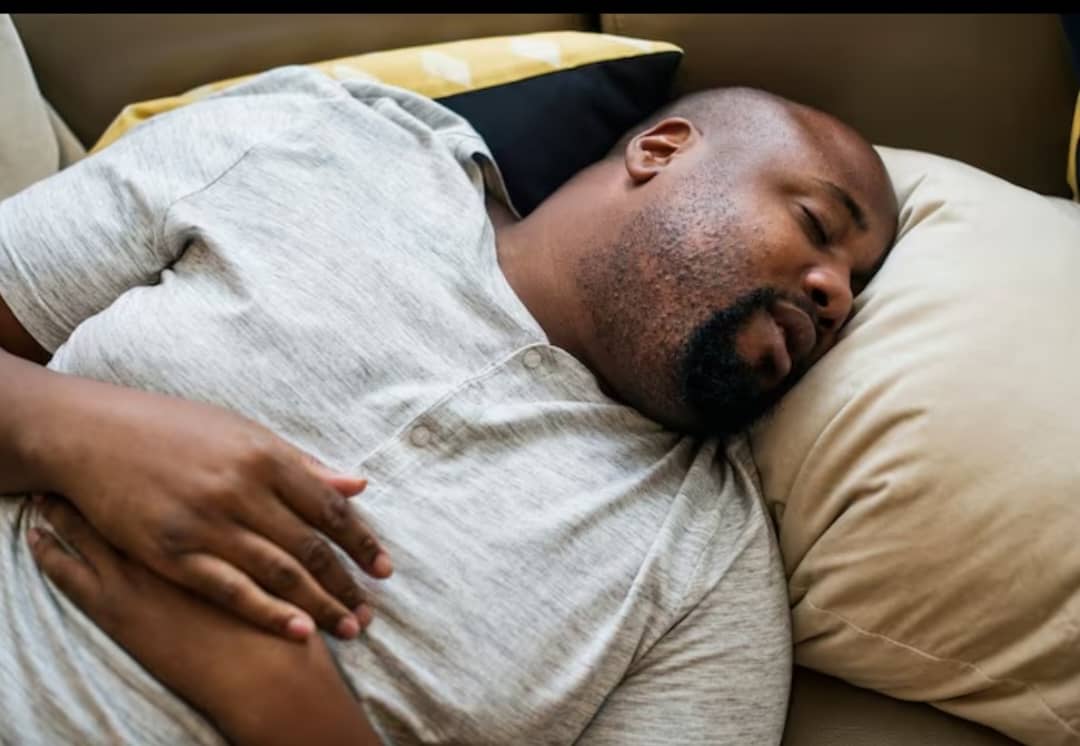
There is no one perfect position for everyone, but the best one is the one that respects your body, prevents pain, and allows you to sleep well without waking up feeling broken.
The sleeping position is important for a peaceful night
Sleeping on your side: a commonly recommended position
Sleeping on your side is generally considered one of the best sleeping positions. It helps maintain proper spinal alignment and can relieve certain back pain. It is also often recommended in cases of acid reflux, as it limits the backflow of stomach acids. For pregnant women, this position is especially useful, particularly on the left side, as it promotes blood circulation and reduces pressure on certain organs. However, this posture is not without drawbacks. It can compress the arm or shoulder you are lying on, causing numbness or tingling. The upper leg, if kept straight, may create tension in the hips and glutes. Using a pillow between the knees helps better align the pelvis and reduce this tension.
Sleeping on your back: a balanced position, but not for everyone
The back-sleeping position allows good alignment of the head, neck, and spine. It reduces pressure points on the shoulders and back, which can relieve certain muscle pain. Body weight is more evenly distributed, which promotes comfort for many people. However, this position can worsen some conditions. For people who snore or suffer from sleep apnea, relaxation of the throat tissues can make breathing difficult. It may also promote acid reflux in sensitive individuals. In some cases, simple tricks such as placing an object behind the back can help prevent sleeping in
this position.
Sleeping on your stomach: the least recommended position
Sleeping on your stomach is generally discouraged. This posture requires turning the head to the side for several hours, which can cause neck pain and stiffness. It also increases the curvature of the lower back, which may lead to pain in the lumbar area. It is sometimes associated with bruxism, meaning teeth grinding during the night. To reduce negative effects, placing a pillow under the pelvis can help relieve lower back tension. Sleeping without a pillow may also help reduce excessive spinal curvature.
Should you change your sleeping position?
There is no universally ideal sleeping position. If you do not experience pain or sleep disorders, it is not necessarily required to change your usual position. The body often naturally adopts the one that suits it best. However, in case of persistent pain or sleep disturbances, consultation with a healthcare professional can help adjust posture or suggest suitable adaptations for each situation.