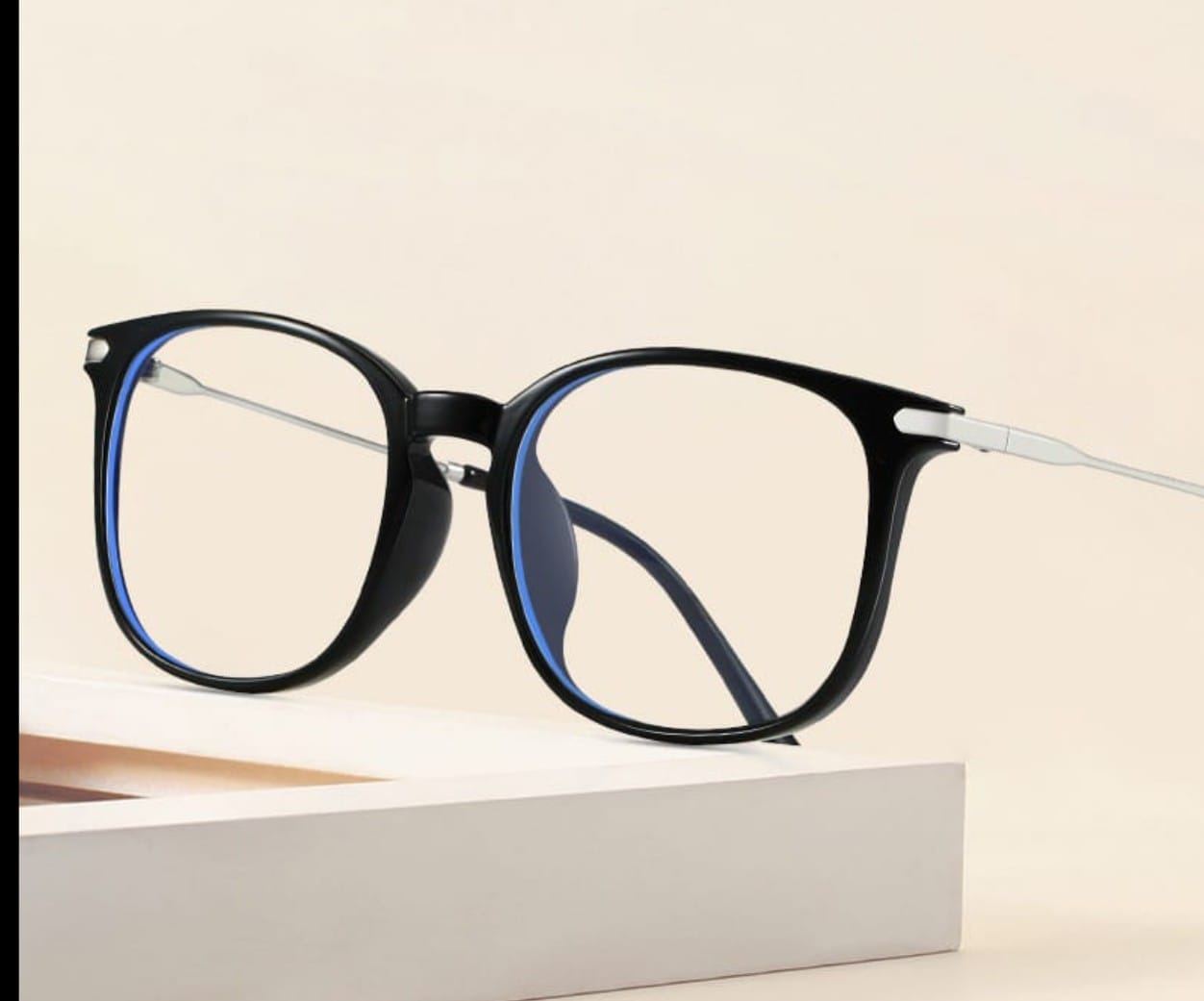
The entry into force, on July 1, 2026, of the New Minimum Standards for Ophthalmic Lenses marks a historic social turning point for access to vision care in Cameroon. Thanks to this genuine social safety net, linked to Universal Health Coverage (UHC), enrolled patients now have access to complete eyewear, including frames, at minimum prices of 25,000 FCFA for single-vision clear lenses and 50,000 FCFA for progressive clear lenses. This major reform not only guarantees transparent and indexed pricing for personalized lenses outside the standard system, but also definitively protects the population’s vision from the pitfalls of the informal sector.
In the wake of a spectacular crackdown that led to the closure of nearly fifty clandestine optician clinics in Yaoundé, the optician profession in Cameroon is beginning its reconstruction. Driven by the entry into force, on July 1, 2026, of the New Minimum Standards for Ophthalmic Lenses, validated by the Ministry of Public Health, this landmark reform directly tackles the illegal practice of optics. Between the introduction of affordable social tariffs starting at 25,000 FCFA under the Universal Health Coverage (UHC) program and the deployment of standardized signage across the country, Cameroon is laying the foundations for modern, transparent, and protective vision governance for the population’s eye health.
Imagine a Cameroon where seeing the world is no longer a matter of chance, a country where clear vision is no longer the privilege of an elite, nor the deadly trap set by purveyors of illusion in the shadows of the markets, but a right guaranteed to every citizen in complete safety. This dream of pure vision, protected from charlatans and accessible to all, is on the verge of becoming a tangible reality. In the wake of a major, uncompromising overhaul of the arteries of the political capital, the optician profession in Cameroon has just entered a new era, combining the unwavering rigor of the law with unprecedented social justice.
This new day dawned just after a much-needed public health storm. On June 30, 2026, under the rigorous supervision of Simplice Hervé Kengne, Inspector General of Regional Services representing the Governor of the Central Region, and in the presence of Solange Vénérande Douanla, President of the National Order of Opticians of Cameroon (ONOC), a large-scale operation to maintain visual order swept through Yaoundé. From the Central Market to Kennedy Avenue, passing through the Central Hospital and the seven districts of the Mfoundi Department, the regional committee for combating illegal practice cracked down on clandestine operations, sealing nearly fifty unlicensed clinics and seizing evidence. Behind the now-closed shutters lay appalling medical practices: lack of authorization, unlicensed consultations by unqualified personnel, and even eye surgeries performed at home in blatant disregard of best practices. This historic offensive put an end to the ordeal of thousands of patients whose sight was endangered daily by imposters.
But cleaning up the sector through government intervention was only half the battle; it was essential to rebuild immediately on unshakeable ethical and economic foundations. This is the whole point of the official entry into force, on July 1, 2026, of the New Minimum Standards for Ophthalmic Lenses in Cameroon, approved by the Minister of Public Health. Awaited for ten years to replace a 2016 tariff that had become completely obsolete in the face of technological advancements, this
modern text reorganizes access to vision care by combining traceability and the viability of accredited clinics.
To definitively combat counterfeiting, the Order now requires a unique identification plaque on the facade of each authorized practice and will publish the Official Directory of Professional Opticians of Cameroon annually. On the financial front, the accessibility barrier is crumbling thanks to the introduction of revolutionary social tariffs. From now on, for patients enrolled in the Universal Health Coverage (UHC) database, a complete pair of glasses, including frames, is set at a minimum price of 25,000 CFA francs for clear single-vision lenses and 50,000 CFA francs for clear progressive lenses. Beyond this social safety net, personalized lenses will be subject to transparent pricing, indexed to the technical specifications and the actual services provided by the optician. By ensuring quality at the source and relentlessly pursuing counterfeiters, Cameroon is now offering its people much more than just eyeglasses: it is restoring their confidence in seeing the future.