Under the impetus of the Regional Delegation of Public Health and with the financial support of UNICEF, the districts of Mbouda, Mifi, Bangangté and Foumban are preparing to vibrate to the rhythm of the “HPV+ and Polio Gender” project.
Public health is now being addressed at the community level in the Western region. Faced with the persistent threats of human papillomavirus and polio, local health authorities have decided to step up their efforts.
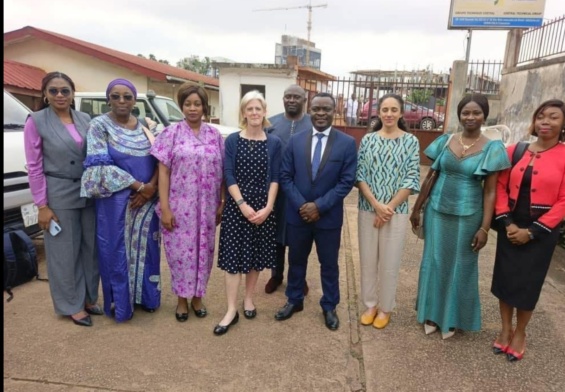
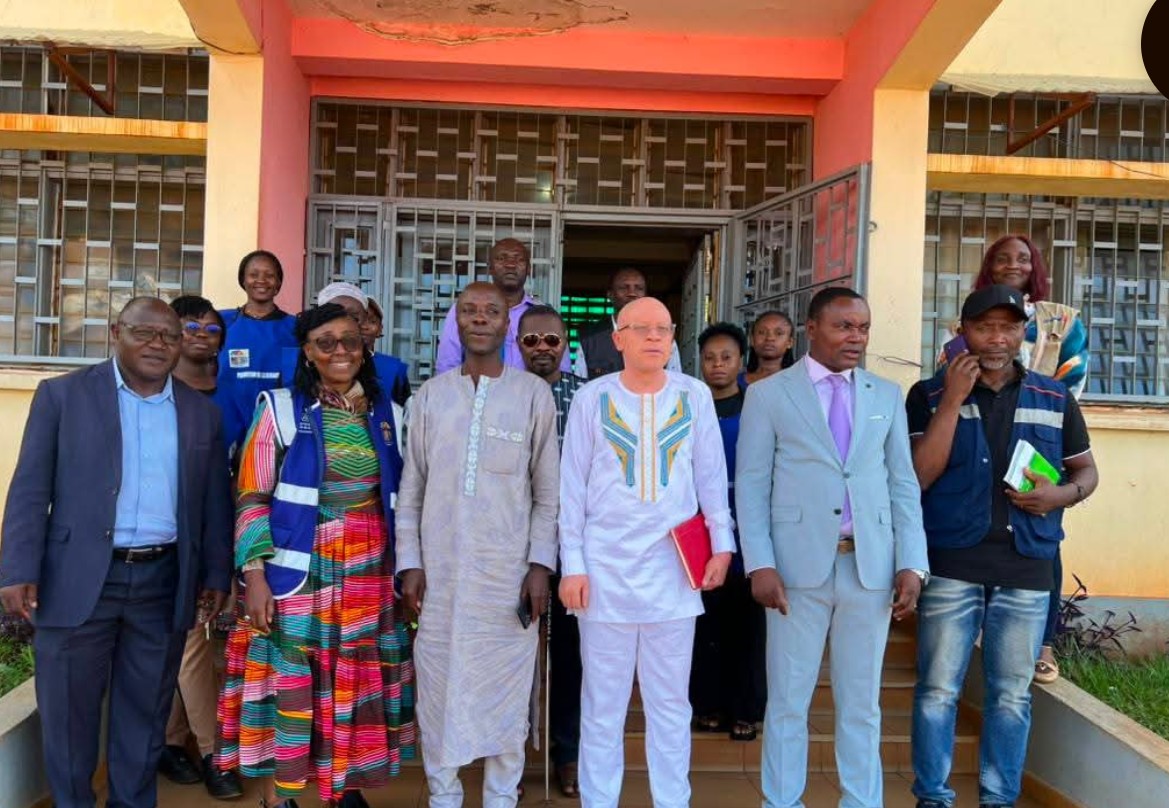
The first step in this large-scale response took place in Bafoussam, during a planning meeting chaired by the Regional Delegate for Public Health in the West. This strategic meeting brought together key stakeholders in the sector, including the heads of the beneficiary health districts, regional officials, and district management teams.
All agreed on one absolute priority: building a robust vaccination network to protect the future of young girls and the overall health of children.At the heart of this offensive is the « HPV+ and Polio Gender » project, an ambitious and innovative initiative funded by UNICEF. To give it every chance of success, its operational implementation has been entrusted to a consortium of civil society organizations, led by the Family Club association.
The notable presence in Bafoussam of Family Club Coordinator and Consortium Lead, Yedidia Jonas Alirou, provided crucial insight into the philosophy of this campaign. By presenting the project’s methodological approaches in detail and answering the technical questions of health officials, he forged an essential alliance between public authorities and those working on the ground.
The originality of this program lies in its integrated approach, which closely links health issues and gender concerns. By targeting four key districts in the region—Mbouda, Mifi, Bangangté, and Foumban—the consortium is committed to dismantling the prejudices and socio-cultural barriers that still too often hinder access to vaccination.
Participants in this scoping workshop unanimously praised this methodology focused on Social and Behavioral Change, expressing their full commitment and readiness to facilitate its implementation on the ground.This momentum, initiated in the Western region, is actually part of a vast national program funded by UNICEF that covers a total of seven regions of Cameroon.
By leveraging the community-based impact of local organizations and the technical expertise of district medical teams, the Western region is laying the groundwork for an exemplary public health campaign.
The challenge now is to secure widespread public support to definitively eradicate diseases that are preventable through simple preventative measures from the country.