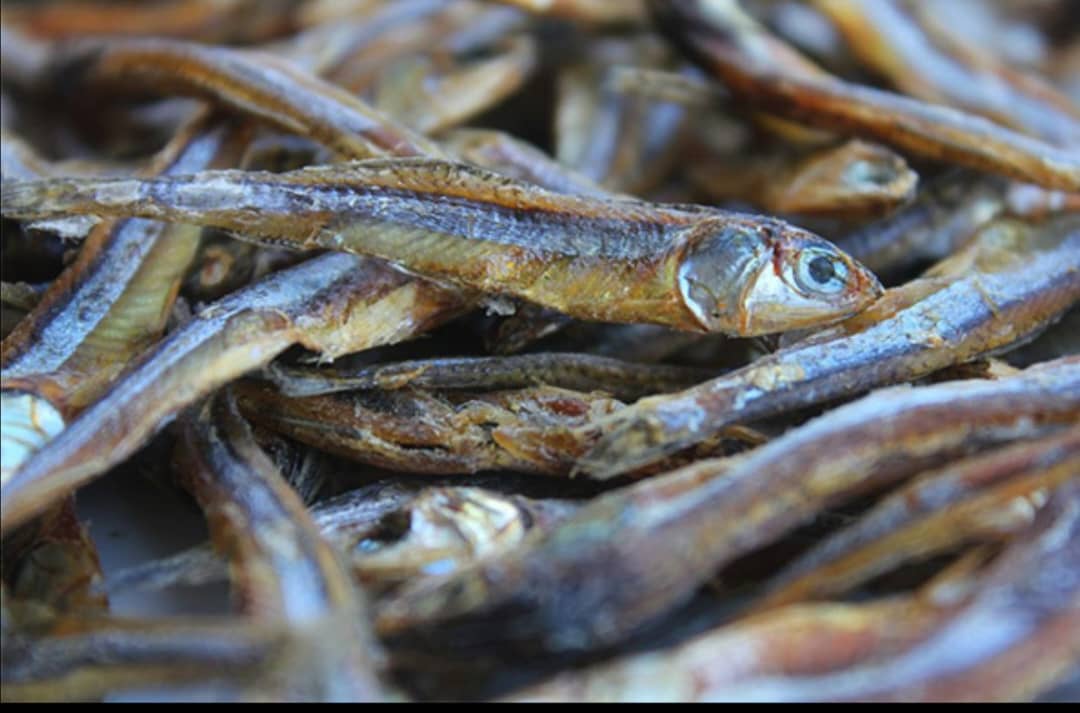
Fish drying in Northern Cameroon is a practice that has proven itself economically and nutritionally, but its unsanitary consequences pose a real threat to the health of the population.
In the northern regions of Cameroon, where the sun reigns supreme and the air is dry, drying fish is much more than a simple preservation technique: it is a vital economic activity that sustains thousands of families. Yet, behind this age-old practice lie serious health risks, including the use of banned pesticides, deplorable hygiene conditions, and rudimentary processing methods. This toxic cocktail directly threatens the health of consumers.
In northern Cameroon, the atmospheric conditions are ideal for drying fish. The region, hot and sunny, benefits from low humidity, which promotes the natural and rapid dehydration of seafood. Unlike forest or coastal areas where smoking predominates, here solar drying has become the primary preservation method. Small pelagic fish are dried whole by direct exposure to the sun, while larger species are sliced, split, and arranged on mats or hung in the air. This practice, if properly executed, allows fish to be preserved for several months while retaining its nutritional qualities. Salted and dried fish is very popular in local cuisine, with some dishes even made using stockfish imported from Norway.
An industry plagued by dangerous practices
Unfortunately, good practices are not always followed. Poor hygiene during processing, combined with insufficient drying, exposes the products to massive insect infestations. Fly maggots, carpet beetles, and other pests swarm over the fish during the drying process. Faced with this scourge, some traders in the North do not hesitate to use extremely dangerous pesticides.
A multifaceted structural problem
The problems observed in the fish drying sector in northern Cameroon are not accidental. Several structural factors explain this worrying situation. First, traders often prioritize selling fresh fish, drying only the unsold items. This practice compromises the initial quality of the product, as the fish has already begun its degradation process before it is even processed. Second, drying is sometimes combined with prior fermentation, with the fish being left in water for one or two nights, a step that adds further risks to the processing chain. Finally, the lack of adequate infrastructure and training for those involved exacerbates the situation. Processing systems remain rudimentary, and storage conditions, often precarious, encourage the proliferation of pests. Post-harvest losses are estimated at around 25% of production in sub-Saharan Africa, a considerable waste in a region where fish is an essential source of protein.
Solutions for a safer sector
Faced with these health challenges, solutions exist. Scientific research is focusing on developing natural alternatives to hazardous pesticides. Fourteen locally available spice plants have demonstrated proven insecticidal, fungicidal, or acaricidal properties. Their integration into fish processing ingredients could represent a major step forward for product safety. Furthermore, training stakeholders in good hygiene practices and the mastery of technical parameters is essential. The development of improved solar dryers, with insect protection, could significantly reduce the risk of contamination. Health authorities must also strengthen controls and combat the use of banned pesticides.