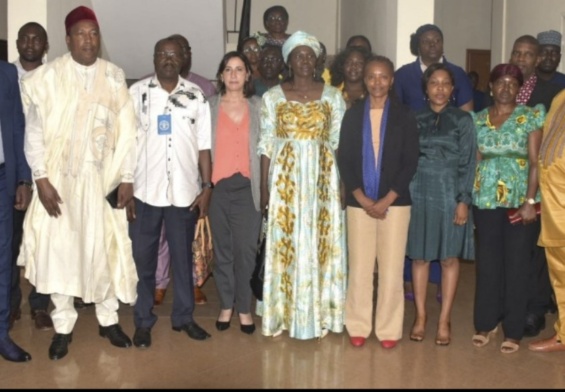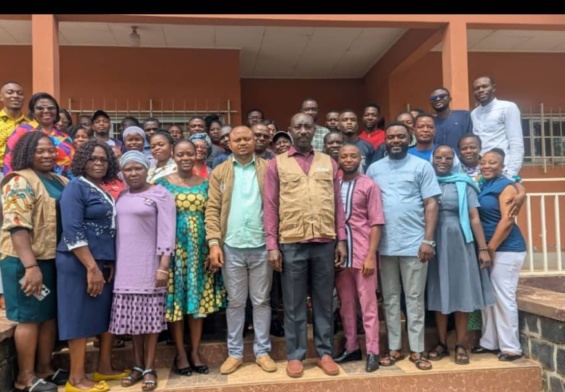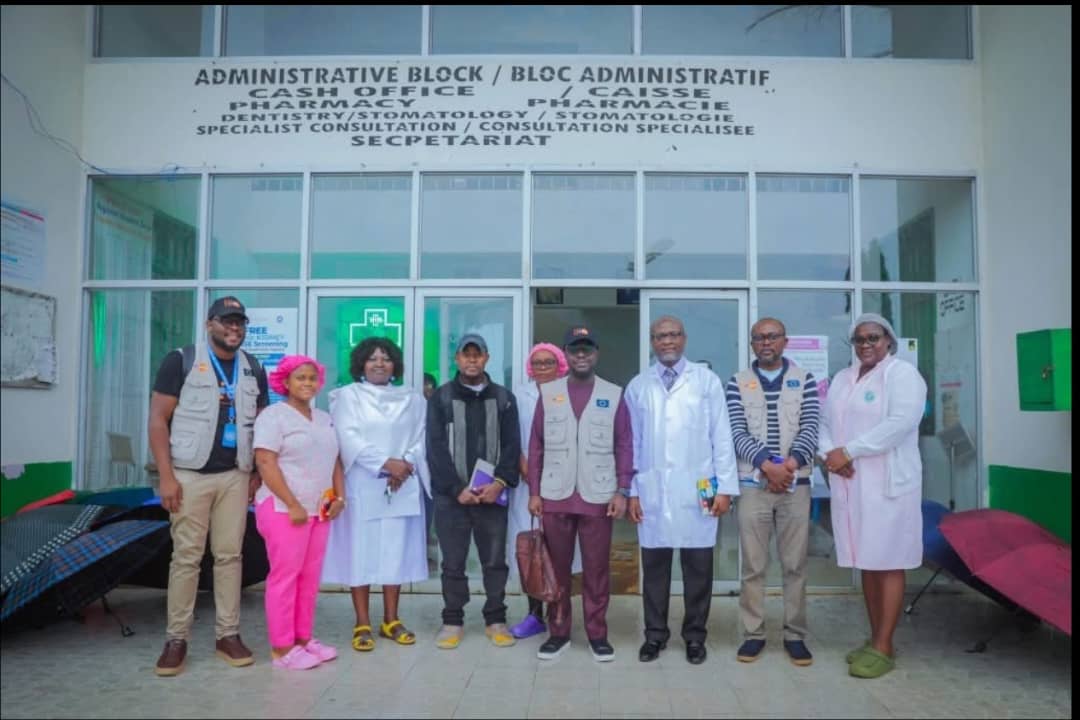
From maternity wards struggling with limited equipment to community centers helping displaced women rebuild their lives, UNFPA’s latest field mission to Buea highlighted the realities that will help shape its next five-year program in Cameroon.
As Cameroon prepares for the Ninth Country Program Document (CPD9), the United Nations Population Fund (UNFPA) is looking beyond statistics to understand the realities facing communities on the ground. Following a field mission to Bamenda, UNFPA Deputy Representative Samuel Kissi continued his
assessment in Buea, where meetings with health workers, humanitarian partners and beneficiaries provided a clearer picture of the priorities that should guide future interventions.
The visit focused on evaluating the operational capacity of implementing partners and identifying persistent gaps in reproductive health, gender-based violence response and humanitarian assistance within the South West Region, where insecurity has continued to affect access to essential services.
One of the mission’s key stops was TeenAlive, a local organization supporting survivors of gender-based violence and internally displaced persons (IDPs). During discussions with the organization’s Chief Executive Officer, Dr. Doreen Mbain, Mr. Kissi learned about programs that combine psychosocial support with vocational training to help vulnerable women regain financial independence.
The human impact of these initiatives was illustrated by an internally displaced woman from the North West Region, who presented the UNFPA official with a handcrafted gift produced using skills acquired through the programme. The gesture reflected the role that livelihood support can play in restoring dignity and resilience among women affected by conflict.
The mission also highlighted the pressures facing the regional health system. At the Buea Regional Hospital, administrators and the maternity team acknowledged UNFPA’s contribution through the provision of medical equipment, psychosocial support mechanisms and the deployment of humanitarian midwives.
However, they stressed that significant challenges remain. Hospital officials identified the need for additional delivery beds, vacuum extractors and more midwives to sustain quality maternal and newborn care, particularly as demand for continued services in a region affected by population displacement.
Beyond infrastructure and equipment, the visit underscored the importance of strong partnerships in maintaining health services under difficult security conditions. During a roundtable discussion, implementing partners described the operational constraints they continue to face while delivering assistance in hard-to-reach communities. They also praised the impact of the GIZ and European Union-funded Woman Eh project, which has expanded protection and support for women and girls.
Commending partners for their resilience, Mr. Kissi encouraged closer collaboration with UNFPA to strengthen resource mobilization and ensure that essential reproductive health and protection services remain accessible. As
preparations for CPD9 advance, the mission to Buea reinforced a central message: effective policies are built on evidence gathered from the communities they are intended to serve, making frontline realities the foundation of Cameroon’s next phase of reproductive health and humanitarian action.