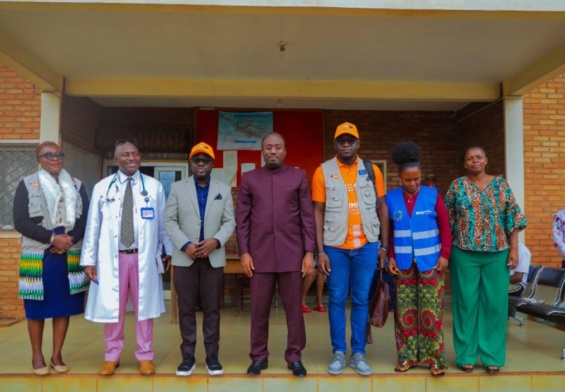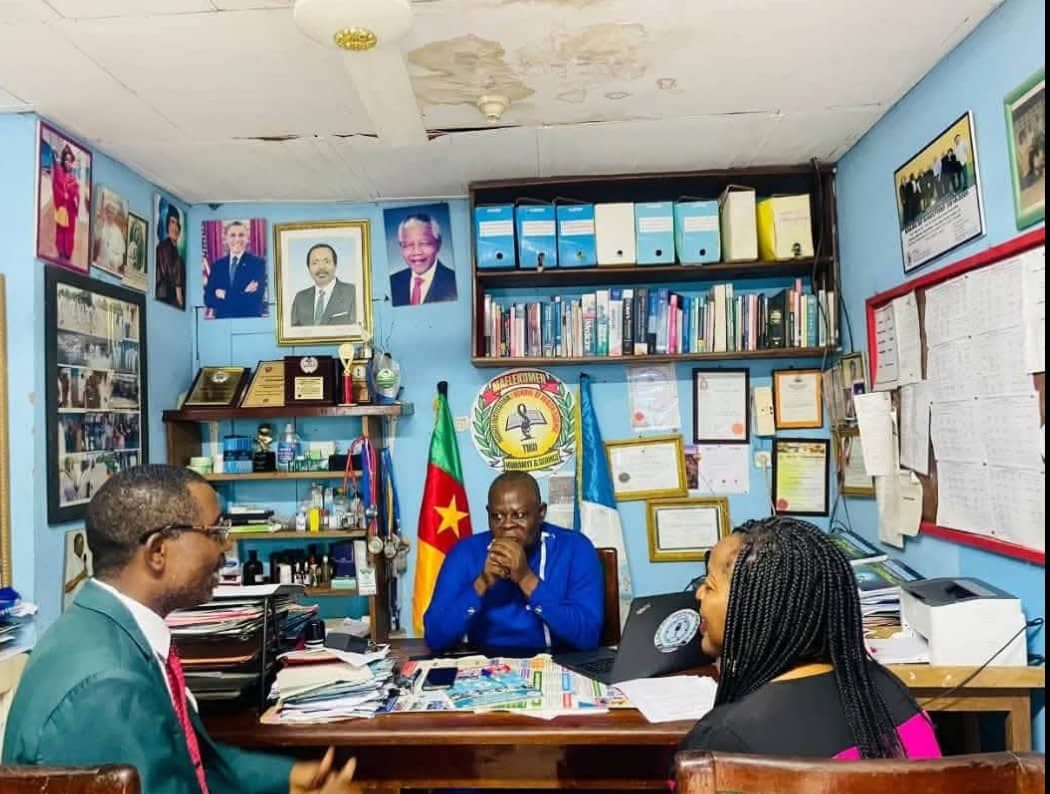
Dr. Eko Filbert, Regional Delegate for Public Health, oversaw the launch of the second-semester exams in public and private health schools. Advocating a zero-tolerance policy towards cheating, he emphasized the absolute necessity of integrity to protect human lives.
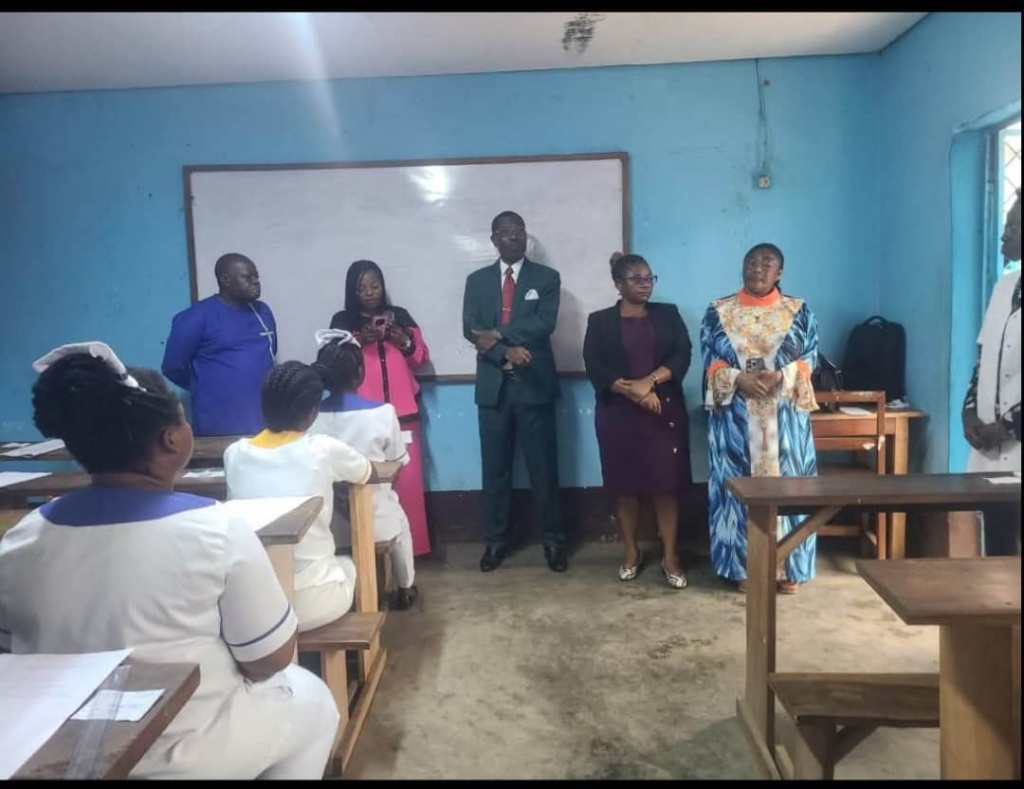
The second-semester exams in both public and private health training institutions officially began on Monday, July 14, 2026. In the Southwest Region, this crucial event took on a particularly solemn dimension with the presence of the Regional Delegate for Public Health, Dr. Eko Filbert. By physically attending the exam centers, the regional health official aimed to send a strong message: excellence and merit are non-negotiable when it comes to training those who will hold human lives in their hands.
A strong signal for quality care
Accompanied by a high-level delegation including Dr. Adeline Green Epse Mbu, Head of the Administration and General Affairs Department, and Ms. Mbanwei Prodencia Tifuh, Director of the Partnerships and Health Personnel Training Office, the Regional Delegate made a strong impression. His presence was not a mere administrative formality, but a powerful managerial act aimed at reaffirming
the State’s unwavering commitment to top-tier medical training.
By personally attending, Dr. Eko Filbert underscored the rigorous regulatory role of the Ministry of Public Health. This direct inspection ensures that examination protocols are strictly followed, thus guaranteeing equal opportunities for all candidates, whether from the public sector or private institutions.
“Life cannot be duplicated.”
Addressing students, invigilators, and representatives from various institutions, the Regional Delegate delivered a speech of absolute candor, focused on ethical responsibility. “There is no cheating in health sciences and medicine, because life can never be duplicated,” Dr. Eko Filbert emphasized.
This weighty statement alone encapsulates the stakes of these assessments. A student who cheats today is an incompetent professional who will endanger human lives tomorrow. The message is clear: fraud in the medical field is a potential crime. The Delegate strongly warned against any inappropriate practices, urging candidates to rely solely on their own knowledge, hard work, and discipline.
Toward an ethical future for medicine
The presence of health authorities at this pivotal moment in the academic year serves as a reminder that competence is not acquired easily. By encouraging future nurses, laboratory technicians, and midwives to excel through their own merit, the Regional Delegation is laying the foundations for a safer and more efficient healthcare system for Cameroon. The future of our hospitals depends on the honesty cultivated from the school days.