

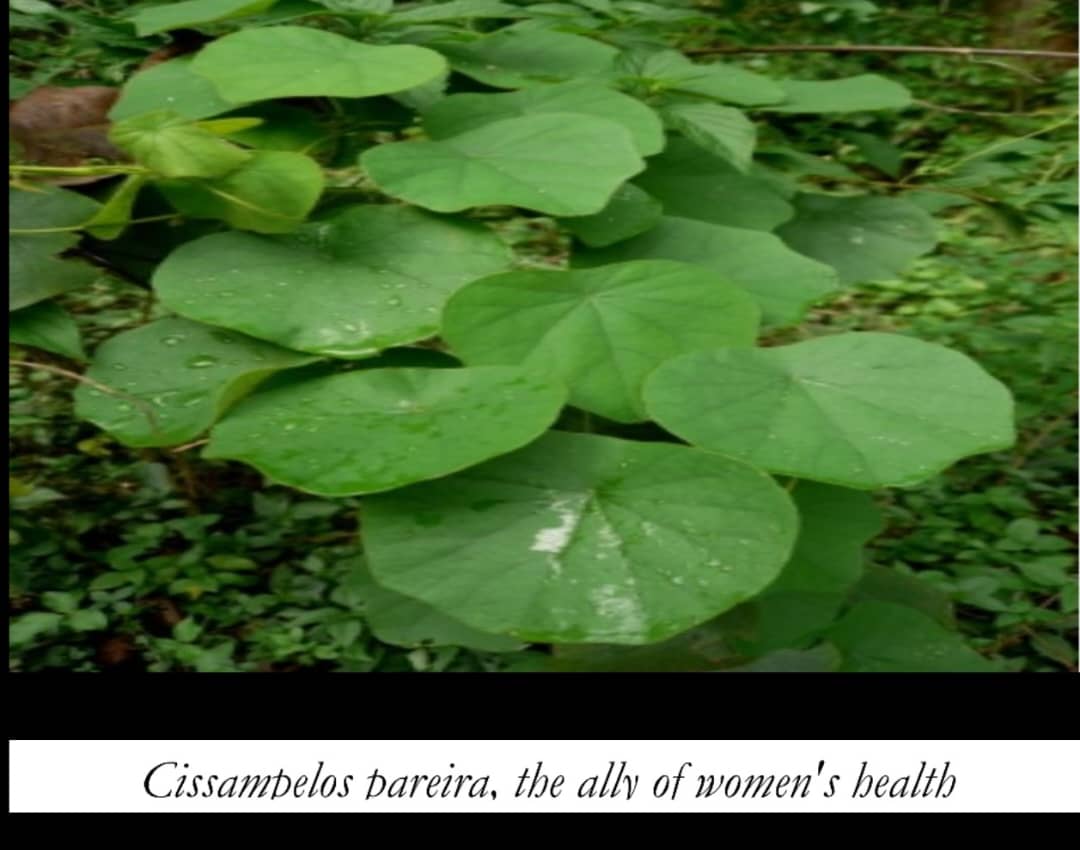
It is used in traditional medicine as a remedy of choice to regulate the female cycle and promote conception.
In many African medicinal traditions, Cissampelos pareira is much more than just a plant: it represents hope for families seeking a child. « My father used it for women who had great difficulty conceiving, » testifies Dr. Aman Nadi, an Ivorian naturopath, recalling that this vine is central to the management of infertility.
A therapeutic pharmacy
In traditional medicine, this plant’s strength lies in its ability to « cleanse » and tone the reproductive system. Indeed, by treating amenorrhea (absence of menstruation) and dysmenorrhea (painful periods), the plant stabilizes the menstrual cycle. A regular cycle is, in fact, the essential condition for quality ovulation and, by extension, successful fertilization.
To maximize the benefits of Cissampelos pareira, the ancestral practice follows a precise ritual: « Rub the plant vigorously to release its properties; place the plant on a roof or a slab so that it ‘sleeps’ outdoors, as the naturopath explains. The goal here is for it to be imbued with the morning dew, believed to purify and energize its properties. Once this process is complete, the plant is used to make an infusion. The treatment consists of drinking two glasses of tea morning, noon, and evening to regulate the reproductive system. »
Furthermore, modern science confirms the plant’s rich chemical composition, particularly its alkaloid content (Cissampeline, Pelosine). These components give it uterotonic properties, meaning they stimulate the uterine muscles, thus facilitating the onset of menstruation or preparing the organ for implantation.
However, researchers point out a paradox: while it aids conception, some laboratory studies indicate that at very precise doses or during methanolic extractions of the leaves, it can alter the secretion of hormones (LH, FSH). This confirms the golden rule of traditional medicine: the dose and the preparation make the remedy.
Major precautions
While Cissampelos pareira is beneficial for conception, it becomes detrimental to an established pregnancy. Due to its powerful ability to induce uterine contractions, its use is strictly prohibited for pregnant women, particularly during the first trimester, as it can lead to miscarriage. Similarly, excessive consumption can have adverse effects on reproduction. Therefore, it is crucial to consult a herbalist or healthcare professional before starting any treatment.
In summaryCissampelos pareira remains a jewel of African and Caribbean pharmacopoeia. When properly prepared and treated with respect, it offers a natural and powerful path for all those who aspire to give life.


