
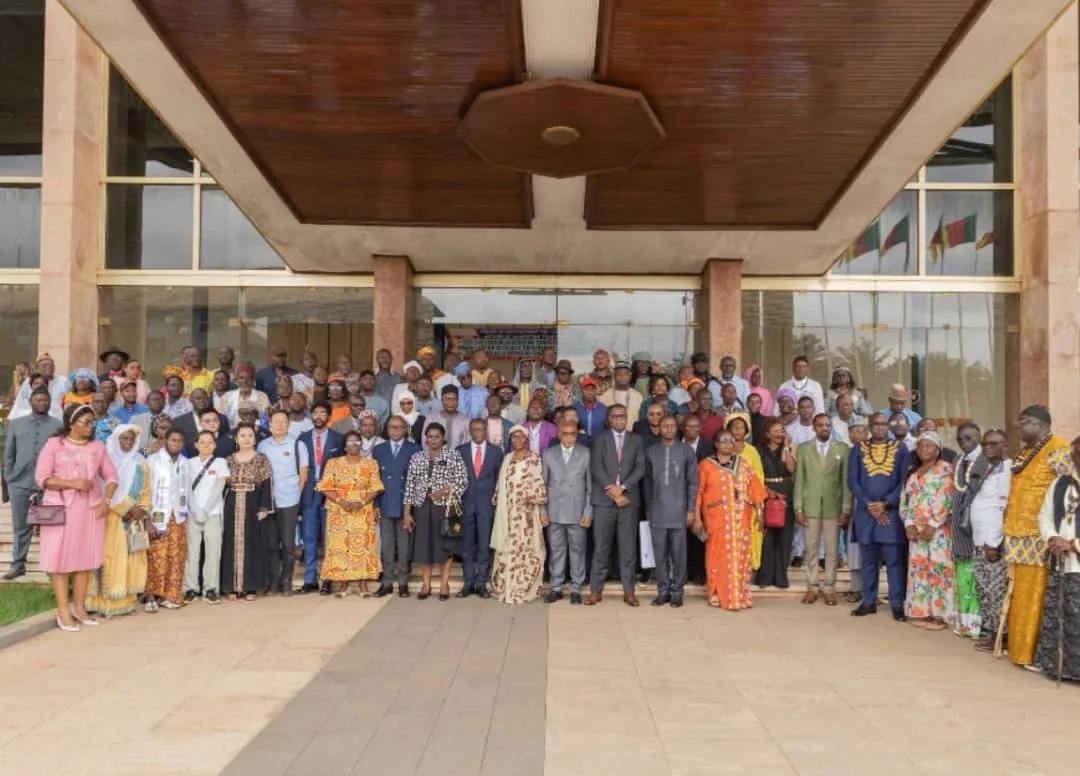
Cameroon is stepping up efforts to regulate traditional medicine and improve patient safety following the adoption of Law No. 2024/018 of December 23, 2024. At a national workshop held at the National Assembly on October 31, 2026, parliamentarians and stakeholders called for faster implementation of the law, stronger quality controls and improved professional standards for traditional medicine practitioneners.
A legal framework awaiting full implementation
The 2024 law recognises traditional medicine as an integral component of Cameroon’s national health system and establishes rules governing its practice. It seeks to organise the sector, define practitioners’ responsibilities and ensure that traditional therapeutic practices meet appropriate safety and quality standards.
Under the legislation, practitioners must obtain authorisation from the Minister of Public Health to operate. They are also required to maintain consultation records, document diagnoses and treatments, and comply with established professional obligations. The framework further provides for collaboration between traditional and conventional healthcare practitioners, particularly in referring patients to appropriate health facilities when necessary.
However, translating these provisions into practice remains a major challenge, particularly as implementing instruments are still required to operationalise several aspects of the law.
Parliament calls for stronger regulation
The issue was at the centre of a national workshop organised by the Parliamentary Network for the Promotion of Health and the Enhancement of Traditional Medicine (REPPROSAN), led by Honourable Germain Mengue Mezui, in collaboration with SHINEAWAY organisation. The meeting was chaired by the Vice-President of the National Assembly, Honourable Mary Muyali Meboka, and also drew on experiences from Traditional Chinese Medicine.
Participants called for the accelerated publication of implementing instruments to facilitate the effective enforcement of the new legislation. They also recommended extending the transitional compliance period from 24 to 36 months, until December 2027, to give practitioners additional time to meet regulatory requirements.
Other recommendations included conducting a national census of traditional medicine practitioners, strengthening professional training, improving the quality control and certification of traditional medicines, and supporting local production. Facilitating access to international markets was also identified as a priority.
To support these ambitions, participants intend to advocate for a CFAF 1 billion allocation to the sector under the 2028 Finance Law. The proposed extension of the transitional period and budget allocation remain recommendations requiring further consideration.
Patient safety at the centre of reform
Beyond the organisation of the profession, the reform raises important public health concerns. The quality, composition, dosage and safety of traditional medicinal products remain essential considerations, particularly as these preparations are used by patients seeking treatment for various health conditions.
Strengthening quality control and certification would help improve product traceability and limit the risks associated with poorly prepared or inadequately controlled remedies. Professional training and closer collaboration with conventional healthcare providers could also improve patient referral and reduce delays in accessing appropriate medical care.
Scientific research is equally important in this process. The identification of medicinal plants, assessment of their therapeutic properties and evaluation of potential adverse effects are necessary steps towards developing safer and more reliable traditional medicines.
Towards a more professional sector
The recommendations made at the National Assembly reflect the ambition to transform Cameroon’s traditional therapeutic heritage into a better-organised and more sustainable sector. Achieving this objective will depend on the effective implementation of the 2024 law, the availability of regulatory instruments and adequate financial and technical support.
As the country moves towards a more structured traditional medicine sector, the challenge will be to preserve valuable local knowledge while ensuring that practitioners and products meet standards that protect public health.