As Uganda enters the 42-day countdown to be declared Ebola-free, health authorities are being praised for maintaining essential health services throughout the outbreak, while Africa CDC urges the United States to remove travel restrictions imposed on the country.
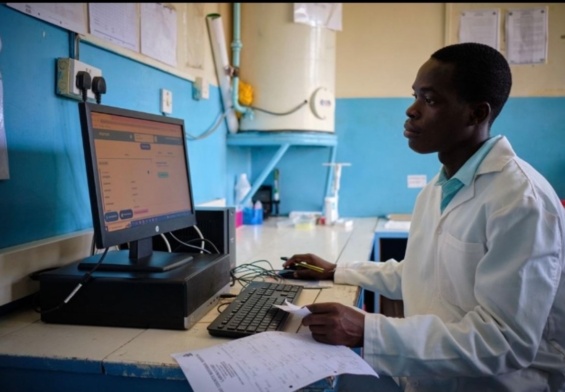
When an Ebola patient unknowingly sought treatment at a health clinic in Arua, northern Uganda, on 8 May 2026, the outbreak had not yet been declared in neighboring Democratic Republic of the Congo. Healthcare workers treated the woman for fever and abdominal pain before she traveled to Kampala, where she later tested positive for Ebola caused by the Bundibugyo virus.
The unexpected exposure placed nine health workers under observation. After being advised to self-isolate for the remainder of the virus’s 21-day incubation period, all completed monitoring without developing symptoms and safely returned to work.
Rather than allowing the incident to disrupt healthcare delivery, the clinic quickly
redeployed staff from another branch and reassigned personnel internally, ensuring that patients continued receiving routine care without interruption.
Protecting routine healthcare during an outbreak
Uganda’s response has focused not only on containing Ebola but also on safeguarding essential health services. Previous viral haemorrhagic fever outbreaks have shown that interruptions to routine care can trigger secondary health crises, including declining immunization rates, delayed maternal and child healthcare, interruptions in chronic disease management and reduced access to emergency treatment.
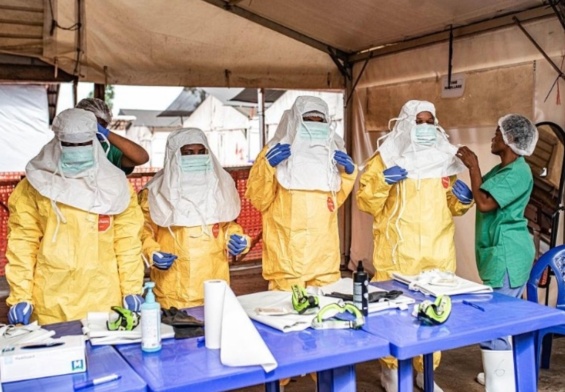
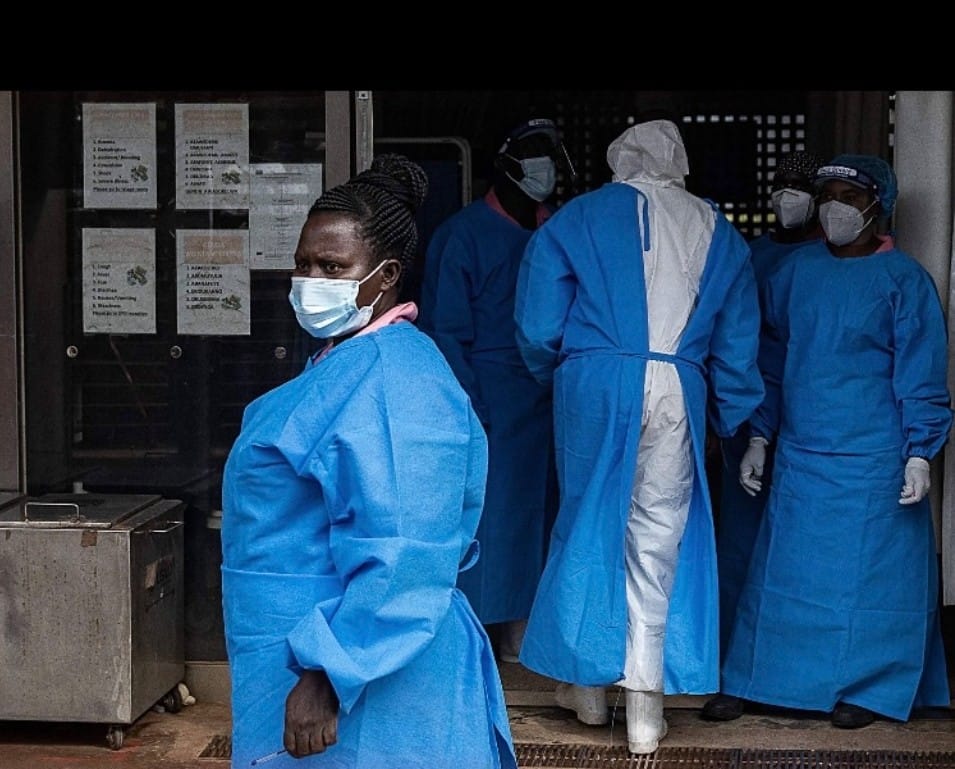
To minimize these risks, health facilities strengthened infection prevention and control measures, intensified triage procedures and expanded community awareness campaigns on Ebola prevention.
At the national level, Uganda’s Ministry of Health, supported by the World Health Organization (WHO), developed a continuity plan for essential health services and adapted it for regional and district implementation. More than 3,000 healthcare workers from public and private facilities received training covering infection prevention, patient flow, isolation procedures, differential diagnosis between malaria and Ebola, management of noncommunicable diseases, mental health services, and reproductive, maternal and child healthcare.
Between 27 May and 17 June, health authorities, WHO and partners assessed preparedness in 819 health facilities across 20 high-risk districts. The assessments identified important challenges: 55% of facilities reported shortages of personal protective equipment, nearly one in five experienced stockouts of essential medicines, around 10% faced gaps in waste management systems, and only 35% had received Ebola-specific outbreak training.
Despite these shortcomings, health authorities say the assessments enabled targeted supervision, mentorship and rapid improvements in facility preparedness.
Countdown to Ebola-free status
Uganda has now entered the critical 42-day countdown required under WHO guidelines before an Ebola outbreak can officially be declared over. The milestone followed the discharge of the country’s last Ebola patient on 16 July.
Since the beginning of the outbreak, Uganda has recorded 20 Ebola cases, a markedly lower burden than neighboring Democratic Republic of the Congo, where more than 2,400 cases have been reported.
Healthcare workers in Arua remain vigilant while reporting that services have continued largely uninterrupted. Although outpatient attendance has fallen slightly and fewer patients are crossing from the Democratic Republic of the Congo because of border restrictions, facilities continue providing essential care to local communities.
Meanwhile, Africa Centers for Disease Control and Prevention (Africa CDC) Director-General Dr Jean Kaseya has called on the United States to lift Ebola-related travel restrictions imposed on Uganda. Speaking during a conference in Accra, Ghana, Kaseya said he had written to US Health Secretary Robert F. Kennedy Jr., arguing that the restrictions are no longer justified given Uganda’s progress.
“There is no reason for the US to continue with this travel restriction,” Kaseya said, urging African governments to support the request as a demonstration of continental solidarity while response efforts continue in the Democratic Republic of the Congo.
The United States introduced travel restrictions in May for travelers recently arriving from the Democratic Republic of the Congo and later expanded some measures affecting Uganda and South Sudan. Africa CDC maintains that Uganda’s epidemiological situation now warrants a reassessment of those measures.
As surveillance continues through the final weeks of the monitoring period, Ugandan health authorities remain focused on balancing emergency preparedness with uninterrupted access to everyday healthcare, an approach they say has been central to limiting the outbreak’s wider impact while maintaining public confidence in the health system.