It possesses highly effective antibacterial, anti-inflammatory and, above all, antiparasitic properties.
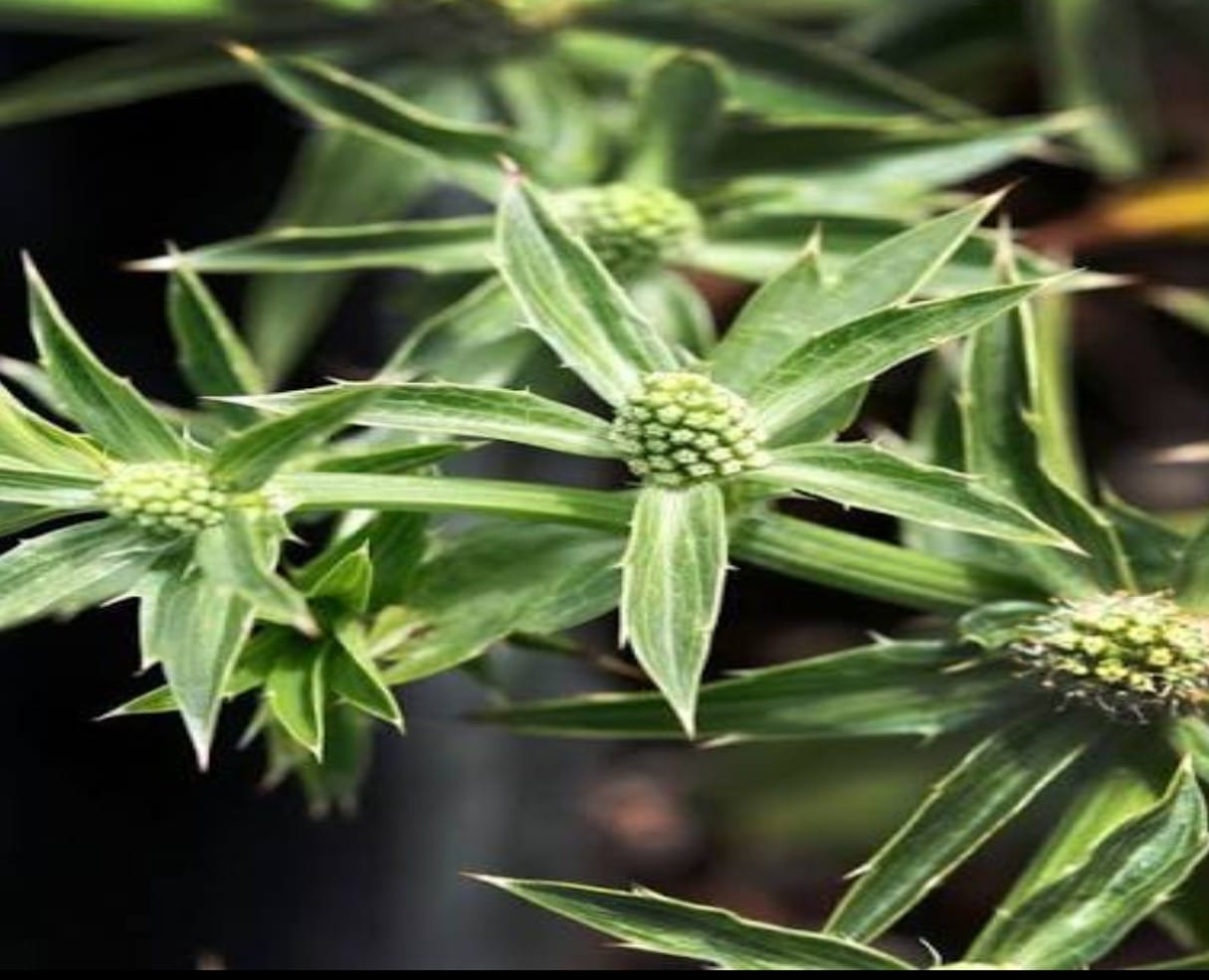
It’s known by many names: long coriander, blessed thistle… Native to tropical America, this herbaceous plant from the Apiaceae family has crossed oceans. From Sierra Leone to the Nyong Valley in Cameroon, by way of Uganda, it has perfectly adapted to the humid zones of tropical Africa. While its peppery and robustly flavored leaves delight local cuisines, it is in the realm of traditional medicine that it reveals its greatest potential.
A natural shield against amoebiasis
Used for generations to soothe the digestive system, long coriander is a veritable biochemical powerhouse. It possesses highly effective antibacterial, anti-inflammatory, and, above all, antiparasitic properties. In cases of intestinal infections or amebiasis, traditional medicine recommends a simple method: a decoction of a handful of fresh leaves boiled for ten minutes in water, to be consumed two to three cups a day. « Eryngium foetidum contains powerful flavonoids. These molecules act directly by inhibiting the trophozoites, the active form of Entamoeba histolytica, the parasite responsible for amebiasis. In addition to this targeted action, the plant calms spasms, soothes gastritis, and reduces colon inflammation. It’s a complete digestive treatment, » explains Armand, a naturopath.
A treasure trove of balances
Beyond its action against parasites, Eryngium foetidum proves to be an excellent
daily ally. Thanks to its diuretic properties, it helps the body eliminate excess fluids, thus reducing bloating and promoting abdominal comfort. More resistant to cooking and drying than common coriander, it retains most of its active ingredients after preparation.
In short, far from being a mere Sunday herb, long coriander reminds us that nature is often one step ahead of our ailments: it perfectly combines culinary pleasure with bodily healing. However, its use is in no way a substitute for hospital treatment.