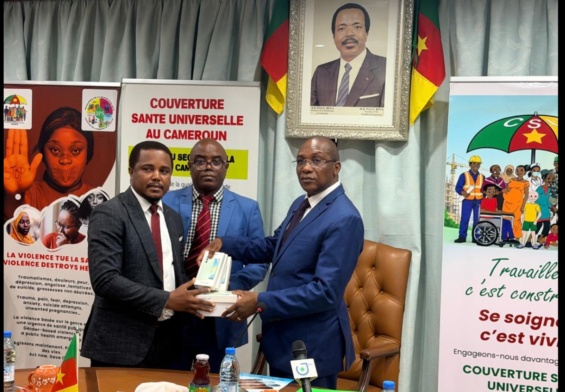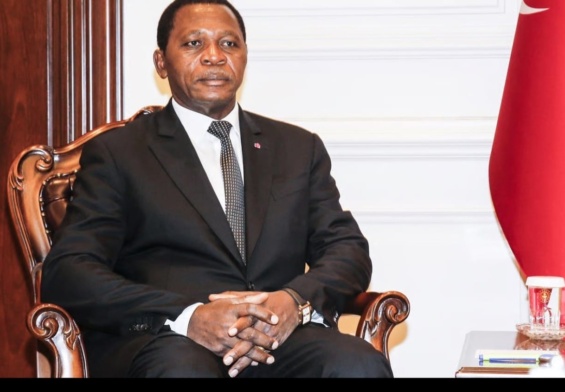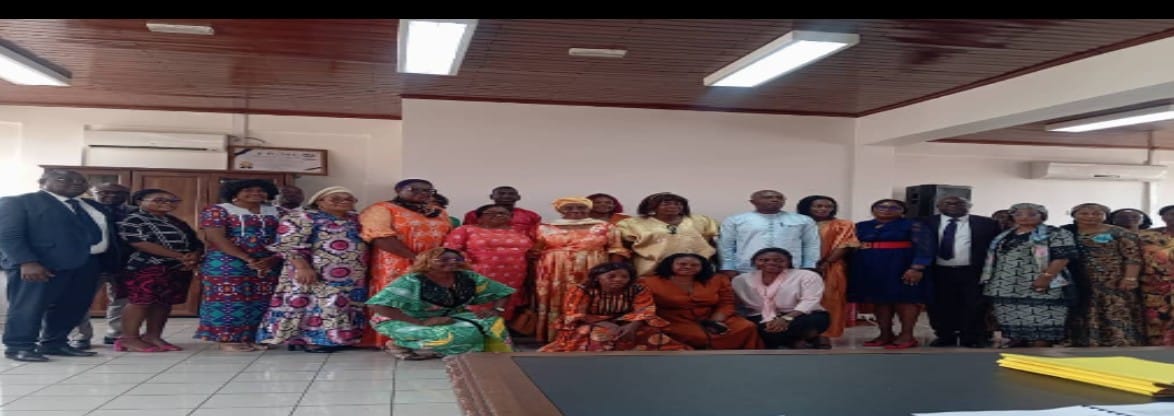
The ceremony for the presentation and validation of the updated study report on the situation of widows in Cameroon was chaired by the Minister for the Promotion of Women and the Family, Abena Ondoa, née Obama Marie Thérèse, on July 22, 2026 in Yaoundé.
The annex building of the Ministry of Women’s Empowerment and the Family (MINPROFF) hosted the presentation and validation ceremony for the updated study report on the situation of widows in Cameroon on Wednesday, July 22, 2026.
Chaired by the Minister in charge of the department, the meeting brought together a multidisciplinary assembly including the Second Technical Advisor, the Second Inspector, the Ministry’s central directors, representatives from sectoral administrations, civil society organizations, and presidents and members of widows’ associations.
Demographic data and vulnerability factorsThe introductory argument relied on key statistical indicators.
According to the 2005 General Population and Housing Census (RGPH 2005) conducted by the Central Bureau of Censuses and Population Studies (BUCREP), 8.8% of women aged 12 and over were widows, a rate higher than that recorded for men. Analysis of the data reveals a marked geographical disparity. Rural areas showed a proportion of 10% widowed women compared to 6.7% in urban areas. Regionally, the highest proportions were found in the West (14.1%) and South (11.3%) regions, while the Adamawa, North, and Southwest regions showed rates ranging between 6% and 7%.
Furthermore, the study indicates that between the ages of 70 and 74, more than 57% of Cameroonian women are widowed, compared to less than 10% of men in the same age group, confirming the progressive feminization of widowhood linked to life expectancy and age gaps at marriage.
Economic, social, and textual dimensionsBeyond demographic indicators, the presentation highlighted the economic dimension of the problem, as the death of the primary breadwinner frequently leads to a decline in the household’s standard of living, exacerbated by difficulties in accessing land ownership, bank credit, and decent work.
The Demographic and Health Survey (DHS 2018) was also mentioned, noting that 36.4% of women aged 15 to 49 have already experienced spousal or domestic violence, worsening the precarious situation of widows in the face of persistent customary practices and inheritance rites.Session objectives and perspectivesThe updated study aims to produce a reference document highlighting the living conditions of widows in order to guide public policy towards more inclusive interventions.
The day’s work was devoted to a critical review of the report, giving participants the opportunity to contribute, amend, and enhance it to arrive at a validated document.