In a press release, the Disaster Manager of the Vina Departmental Committee invites volunteers from the 8 districts to actively participate in prevention through awareness campaigns. The goal is to prepare for potential disasters.
As heavy rains intensify and increase the risk of natural disasters, the Vina Departmental Committee of the Cameroonian Red Cross is multiplying its initiatives to protect populations and limit the consequences of potential disasters.As part of this disaster prevention and response strategy, several measures have been adopted by the Departmental Committee.
Among the key measures is the development of an action plan to coordinate emergency response. This reference document will enable the various stakeholders involved to react effectively and quickly to any crisis situation.The departmental committee, through its district committees, also identified the areas most exposed to the risks of flooding, landslides, and other weather-related disasters.
These areas include low-lying areas, mountain slopes, and high-risk sites. This process is complemented by the development of a risk map, an essential tool for guiding prevention and relief efforts.For Raymond Oulé Taowé, Disaster Manager for the Vina committee, the regular dissemination of information bulletins will keep the population informed about evolving weather conditions, based on data provided by the national meteorological service and the ten-day bulletins from the national office for climate change.
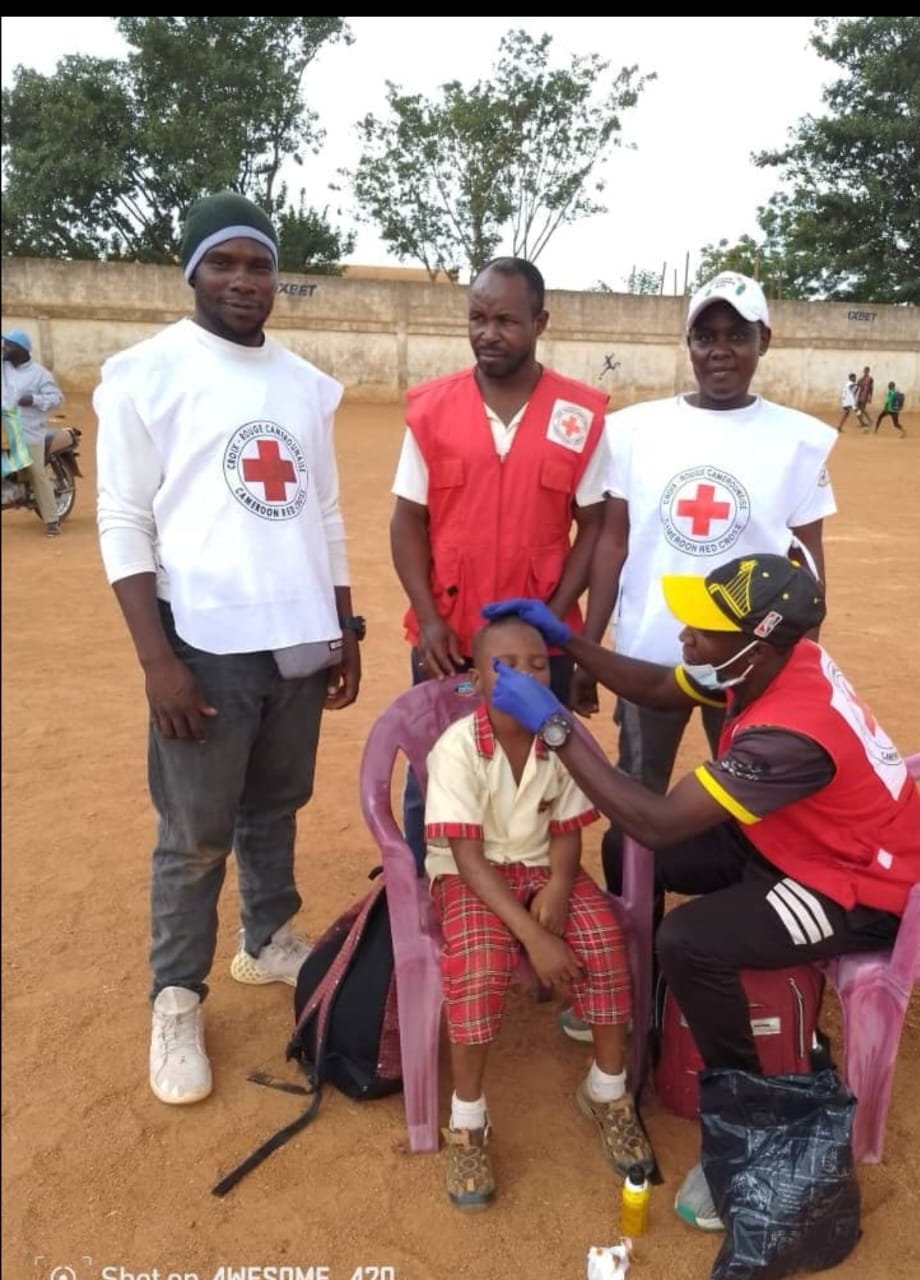
This will encourage appropriate behavior in the event of an alert. The continuous collection of field data is also a crucial component of the system, enabling the monitoring of the situation and the adaptation of responses in real time.The departmental committee is also focusing on strengthening local capacities through training volunteers and populations in prevention, alert and first aid techniques.In this context, a key role is expected of the district committees.
They are asked to ensure reliable and regular collection of field information, to map the risk zones in their localities, and to identify the main access and exit routes that can be used during rescue operations.They will also need to mobilize volunteers and communities to strengthen vigilance and raise public awareness.
This close collaboration between the various Red Cross committees and local communities appears to be a crucial lever for preventing disasters, saving lives, and reducing material damage during this rainy season. Weekly reports from the district committees are expected to help organize interventions with the support of administrative authorities.