A traditional recipe based on papaya bark and roots, a natural solution that is gaining popularity to relieve thousands of women.
In Africa, and particularly in Cameroon, uterine fibroids are not simply a medical curiosity, but a daily reality. The statistics are striking: 8 out of 10 Black women will develop these benign tumors before the age of 50. In Cameroon, by the age of 35, more than one in three women is affected.
Whether they manifest as heavy periods, pelvic pain, or an increase in abdominal size, fibroids, a true scourge for African women, are often linked to excess estrogen and genetic factors. Faced with this high prevalence, traditional medicine offers alternatives based on local biodiversity.
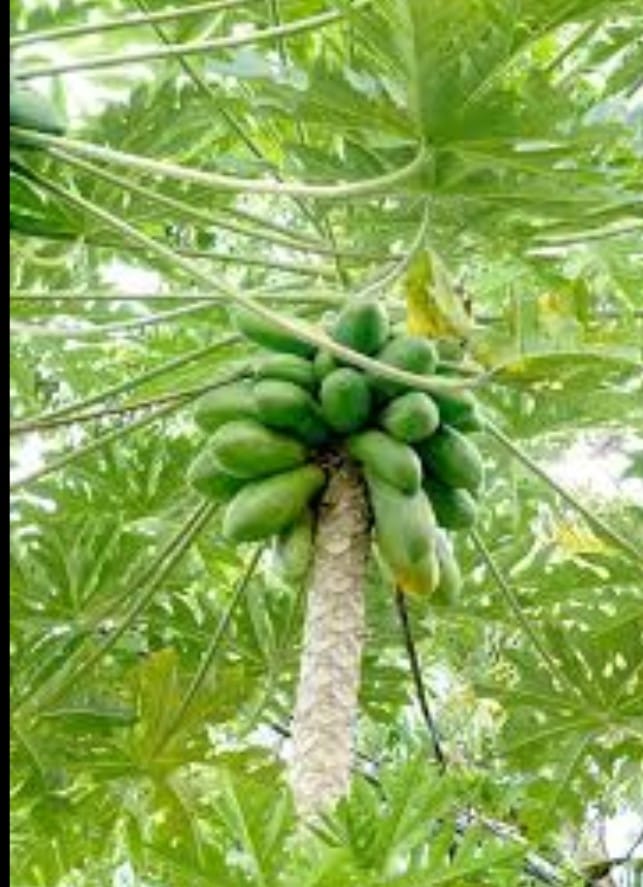
The secrets of the papaya tree (Carica papaya)
While the fruit is valued for its digestive properties, it is the peel and roots of the papaya tree that capture the attention of naturopaths specializing in intimate health. The papaya tree is a rich source of papain, a powerful proteolytic enzyme. In traditional medicine, these components are believed to: soothe chronic pelvic pain; promote the reduction of fibroids thanks to the plant’s enzymatic properties; and help the body better manage uterine congestion.
To combat the proliferation of uterine muscle cells, a decoction preparation method is recommended by practitioners of « Intimate Health 2.0 »: « Carefully cut the roots (ideally from a male papaya tree). Mix them with pieces of tree bark. Boil the mixture in water at 100°C (decoction). Carefully strain the solution. Drink one glass in the morning and one glass in the evening. »
A complementary and cautious approach
Although papaya’s effectiveness is widely praised in community testimonials, caution is still advised. Ultrasound diagnosis is an essential step to assess the size and location of fibroids. Herbal medicine, while potent, should be viewed as a complementary approach. As experts emphasize, if fibroids are too large or cause severe bleeding, conventional medical follow-up is imperative.
Ultimately, before starting any treatment using roots or bark, consult a qualified herbalist to adjust the dosage to your individual needs and the severity of your symptoms. Nature provides the tools, but expertise guarantees healing.